VITAMIN D: ESSENTIAL FOR BONE HEALTH AND IMMUNITY
Vitamin D is synthesized in our skin when exposed to sunlight. This nutrient helps regulate how the body stores minerals and ensures proper bone remineralization, according to Real Simple.

Without vitamin D, our bodies become less efficient in using calcium from food to strengthen bones. Additionally, vitamin D supports immune system function and may play a role in protecting against mood disorders such as depression, explains specialist Sara Ruven.
During the winter months, when sun exposure is significantly reduced, it is crucial to include vitamin D-rich foods in your diet.
There are few natural food sources of vitamin D, although many foods and beverages are fortified with it. One simple way to enhance vitamin D absorption is by pairing vitamin D-rich foods with healthy fats or oils.
Best Sources of Vitamin D:
Fatty Fish
Fatty fish such as salmon, trout, and sardines are excellent sources of vitamin D. Since they naturally contain more oil, they also help the body absorb the vitamin more effectively.
Pork
Pork is another good source of vitamin D. Experts recommend roasting or pan-frying pork with aromatic herbs like thyme, sage, and rosemary, using olive oil to add a healthy fat component.
Fortified Cereals
Fortified cereals are a convenient option for increasing vitamin D intake. A ¾ cup serving of fortified cereals provides 2.5 mcg of vitamin D. Choosing cereals with lower sugar and higher fiber content for breakfast or snacks, paired with fortified milk, can further boost vitamin D levels, reports Novosti Magazin.

Join our
Viber Community
TRAVELING BY CAMPERVAN FOR THE FIRST TIME? HERE’S WHAT YOU SHOULD KNOW BEFORE YOU GO
NEW RAIL LINK BETWEEN REPUBLIKA SRPSKA AND SERBIA: DAILY TRAIN SERVICE FROM ZVORNIK TO BELGRADE
‘DRŽAVNI POSAO’ CREW FILMS NEW PROJECT IN TREBINJE
SEE SRPSKA RECEIVES CHARTER FROM BANJA LUKA TOURIST ORGANIZATION

GALIJA TO CELEBRATE MAJOR ANNIVERSARY IN BANJA LUKA
NEW RAIL LINK BETWEEN REPUBLIKA SRPSKA AND SERBIA: DAILY TRAIN SERVICE FROM ZVORNIK TO BELGRADE
SEE SRPSKA RECEIVES CHARTER FROM BANJA LUKA TOURIST ORGANIZATION
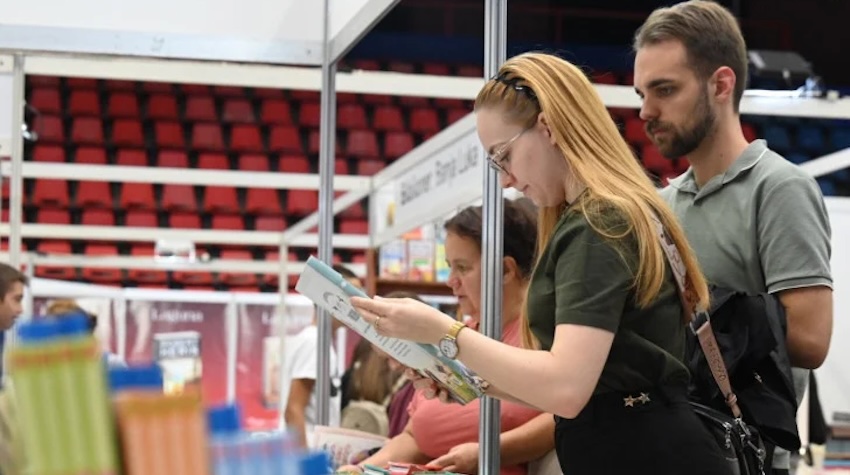
BANJA LUKA BOOK FAIR 2026 OPENS TODAY
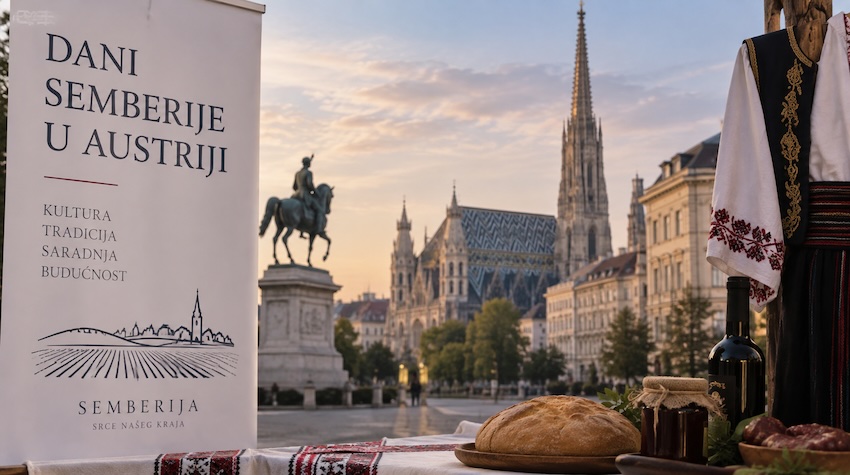
DAYS OF SEMBERIJA IN AUSTRIA: CULTURE, TRADITION AND LOCAL PRODUCTS PRESENTED TO AUSTRIAN AUDIENCES

FROM EUROPEAN STAGES TO HER HOMETOWN: JOVANA RALJIĆ BRINGS VIVALDI TO BANJALUKA

 The situation at the border crossings