A CENTURY-OLD BRANDY STILL: THE SPIRIT OF TRADITION LIVES ON IN SOKOLAC
In the quiet hamlet of Brezjak near Sokolac, a century-old copper still continues to produce one of the region's most beloved spirits—plum brandy, or šljivovica—reviving memories, preserving tradition, and warming hearts with every drop.

The
still, owned by Vukan Pejić, has been in use for more than 100 years and stands
as a living relic of family heritage and rural resilience. Though its capacity
is modest—only 50 liters—it has yielded tons of rakija over the decades.
Generations have gathered around the still, singing folk songs and roasting
potatoes in the fire’s embers while waiting for the first drops, affectionately
known as bašica, to drip from the copper pipe.
The
still's legacy dates back to the aftermath of World War I. Vukan's grandfather,
a volunteer soldier at the Salonika Front and one of six surviving brothers
from a family of nine fighters, returned to his war-ravaged village of Sabanci
on the Nišići plateau. Rebuilding his home and orchard, he eventually ordered
the copper still from a renowned coppersmith’s shop in Sarajevo’s historic
Baščaršija district. The workshop’s bilingual sign, “Blagojević,” still
stands—one of the few surviving Cyrillic signs in the city.
NATURAL
FRUIT, PURE BRANDY
In the
years following the war, fruit thrived naturally without chemical protection,
and the resulting plum harvests were abundant. Though the exact purchase date
is uncertain, family records suggest the still was acquired between 1921 and
1923—making it definitively older than Vukan’s oldest uncle, Slavko, born in
1924.
Remarkably
preserved, the still has survived two world wars and countless political
upheavals. Its copper interior shines like new, a testament to the craftsmanship
and careful maintenance over generations. Rakija distilled in this still has
always been praised for its clarity, smoothness, and quality.
Importantly,
the still was never used commercially. It served only the Pejić family and
close relatives, producing brandy exclusively from plums—never from other
fruits.
THE
PIPE THAT DEFIED COMMUNISM
After
World War II, under communist rule, steep taxes were imposed on distillation
equipment, especially targeting those perceived as ideologically opposed to the
regime. In a quiet act of defiance, Vukan’s uncle Slavko—an unyielding Serbian
patriot and former member of the Chetnik movement—deliberately pierced the
copper pipe with a knife, rendering the still technically unusable and helping
the family avoid paying the heavy tax.
Yet
even this setback did not halt production. In secret, the damaged pipe was
temporarily sealed with a thick layer of dough, preventing alcohol vapors from
escaping and allowing rakija to condense and flow as usual—under the noses of
unsuspecting authorities.
When
the oppressive regulations were eventually repealed, the pipe was repaired, and
the still returned to full use—bearing its “communist scars” with pride. Today,
it continues to distill only plum brandy, its copper still vibrant and
functional thanks to high-quality materials and diligent care.
A
FAMILY MARKED BY WAR AND SACRIFICE
The
Pejić family has long been shaped by sacrifice. Vukan Pejić's grandfather was
one of 30 close relatives forcibly conscripted into the Austro-Hungarian army
during World War I. Thirteen of them perished, inspiring a local song in their
memory: “Pejića je 13 brata poginulo Prvog rata” (“Thirteen Pejić brothers died
in the First War”).
Among
them, Božo, Ostoja, and Dimšo were killed during the breakthrough of the
Salonika Front. Jerkan died in a Romanian camp in Arad. The rest fell on
various battlefields or were executed in mass reprisals against Serbs—their
graves never found.
Yet
amidst tragedy, there were stories of survival. Petar escaped from the Arad
camp and walked home. Dušan and Niko defected from the Austro-Hungarian army to
fight alongside the Russians in Dobruja, suffering injuries before recuperating
in Odessa. They returned to Sabanci in 1919—most of the journey made on foot.
Six
Pejić brothers—Vukan, Vaso, Savo, Kojo, Milo, and Aleksa—returned home as
victors. After liberating Serbia and contributing to the creation of the
Kingdom of Serbs, Croats, and Slovenes, they resumed humble lives, rebuilding
their homes and farms without seeking privilege or reward.
A
STILL THAT BREATHES HISTORY
Today,
Vukan Pejić continues the legacy. The still not only distills plum brandy—it
distills history, perseverance, and the enduring spirit of a family and a
people.
In a
time of fast change and forgotten roots, this century-old still in Sokolac
reminds us that tradition is not just preserved in museums, but in the living
rituals of everyday life—in copper pipes, sweet plums, old songs, and the quiet
resilience of those who refuse to forget.

Join our
Viber Community

TRAVELING BY CAMPERVAN FOR THE FIRST TIME? HERE’S WHAT YOU SHOULD KNOW BEFORE YOU GO

NEW RAIL LINK BETWEEN REPUBLIKA SRPSKA AND SERBIA: DAILY TRAIN SERVICE FROM ZVORNIK TO BELGRADE
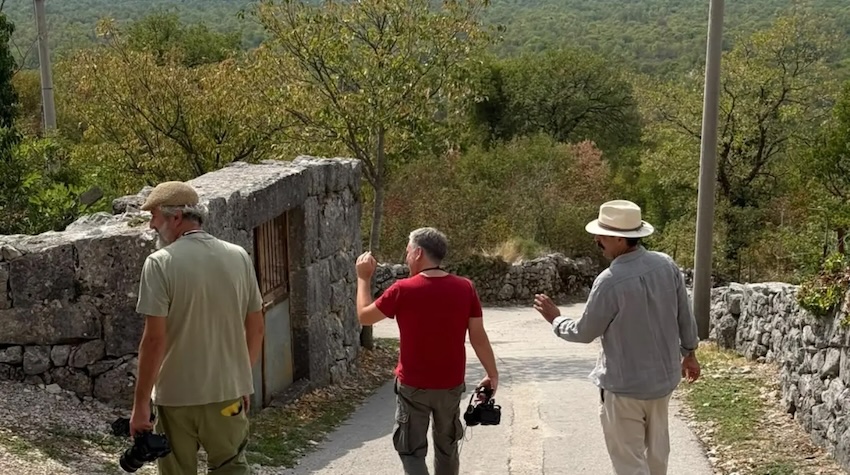
‘DRŽAVNI POSAO’ CREW FILMS NEW PROJECT IN TREBINJE
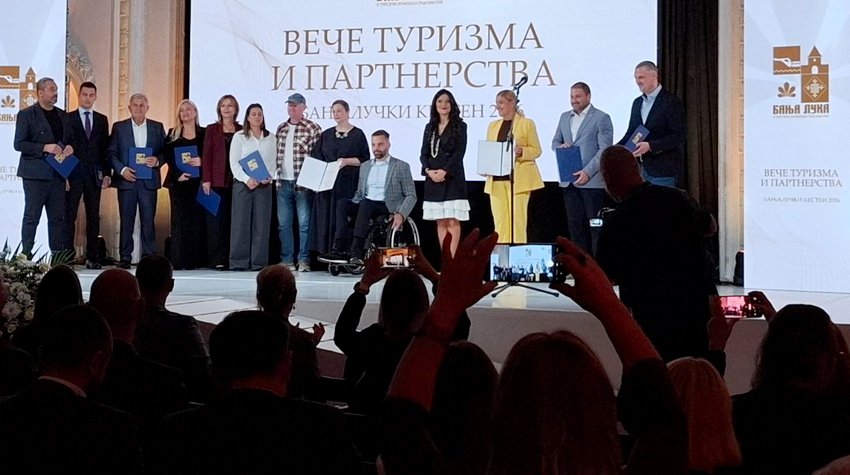
SEE SRPSKA RECEIVES CHARTER FROM BANJA LUKA TOURIST ORGANIZATION

GALIJA TO CELEBRATE MAJOR ANNIVERSARY IN BANJA LUKA
NEW RAIL LINK BETWEEN REPUBLIKA SRPSKA AND SERBIA: DAILY TRAIN SERVICE FROM ZVORNIK TO BELGRADE
SEE SRPSKA RECEIVES CHARTER FROM BANJA LUKA TOURIST ORGANIZATION
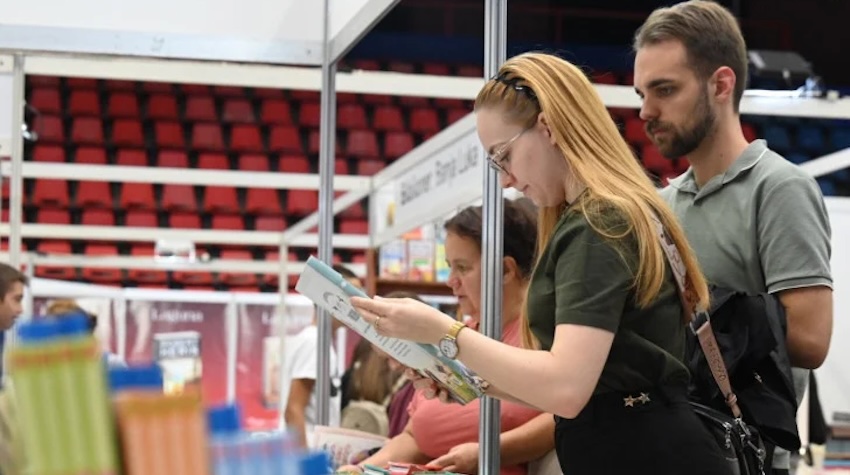
BANJA LUKA BOOK FAIR 2026 OPENS TODAY
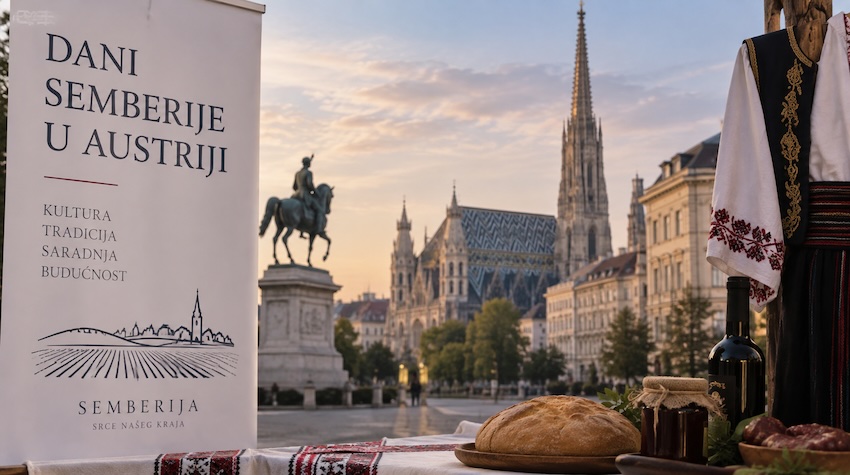
DAYS OF SEMBERIJA IN AUSTRIA: CULTURE, TRADITION AND LOCAL PRODUCTS PRESENTED TO AUSTRIAN AUDIENCES
FROM EUROPEAN STAGES TO HER HOMETOWN: JOVANA RALJIĆ BRINGS VIVALDI TO BANJALUKA


 The situation at the border crossings