TOURISM DOESN’T JUST HAPPEN — TOURISM IS CREATED
Marko Radić, former director of the Trebinje Tourist Organization and now Head of the Tourism Promotion Sector at the Tourist Organization of the Republic of Srpska, frequently shares his views on domestic tourism through his social media channels.

In one of his recent posts, Radić published a compelling reflection on the true essence of tourism — a message that is gaining attention for its depth and authenticity. Here is the full text:
"Tourism is not just travel. Tourism is a movement. By definition, it used to mean traveling for leisure, business, or pleasure. Maybe that was true once. Today, tourism is a way of life, a chance for transformation, and a driver of development.
Tourism reconnects us with nature, community, and stories. It inspires us to look behind the gate of a rural household, to feel the scent of freshly cut grass, the warmth of homemade pie, and the gaze of a host who lives what he offers. There is no pretense. It’s genuine — just as it is and as it can only be.
More and more people across the country are investing in what they already have — in things they once didn’t know what to do with, but today, they’ve become part of the offer. What’s most valuable is what’s authentic.
Weekend homes are being renovated, village houses turned into vacation stays, private estates transformed into picnic spots and campsites, barns into craft workshops. People are restoring old buildings and connecting agriculture with tourism.
Viewpoints are being arranged, trails restored, events organized. People are learning how to make ajvar and jam — not because it’s trendy, but because tourism drives demand, and demand for authenticity drives all of us.
Tourism connects artisans, hosts, and young people returning to their roots. Old crafts are revived, souvenirs made, local shops opened, apartments and bungalows rented out. Tradition is fused with innovation.
People are planting aromatic herbs, holding workshops on mushroom foraging, organizing horseback riding, hiking, kayaking down once “unknown” rivers, harvesting raspberries, immortelle, lavender. It’s not accidental. It’s a response to the needs of the modern person — someone looking for experience, peace, silence, and meaning.
Luxury today isn’t what’s expensive — it’s what’s rare, real, and understated. Our regions offer that kind of rest: the warmth of a host, the story behind every product, a view from a mountain peak, the calm by the river.
Today’s guest wants to see how brandy is distilled, to help around the hearth, to taste both the honey and the meadow it came from. They want to try homemade cheese — but not just taste it. They want to see the cow, the milking, the cheese-making. They want to do it themselves.
After the pandemic, many people explored their own country for the first time. They discovered Kozara, stood before the sand pyramids in Foča, visited Sutjeska’s lakes, saw the springs of Šipovo and Ribnik. Many were stunned by the beauty at their own doorstep.
That’s when the awareness awoke — we have a wealth we only need to offer. And we did — not as an imitation of others, but as something truly ours, genuine and local.
Rural tourism is not just a niche — it is an authentic expression of life. It may be sad to say, but in the future, children may only see farm animals at agri-tourism estates. That’s why these places matter — as guardians of identity, tradition, and knowledge.
Our products — cheese, brandy, wine, jams, honey — aren’t just food. They are emotions you take home. They are cultural identity in a glass, a bottle, a jar. They are stories in every drop, memories in every bite. That is tourism. And when done authentically, it becomes more than a job — it becomes a movement that connects, develops, and leaves a lasting mark.
I often talk about trends that work in our favor. In a world longing for the real, our stories can become its destination.
And remember: tourism is not something that “just happens.” I really dislike that cliché — that it “just happens” to us.
Absolutely not. Tourism is something we create together. For the person doing the work, tourism doesn’t happen — he creates it. The only question is — does he have support? The answer is — no, he doesn’t."

Join our
Viber Community
TRAVELING BY CAMPERVAN FOR THE FIRST TIME? HERE’S WHAT YOU SHOULD KNOW BEFORE YOU GO
NEW RAIL LINK BETWEEN REPUBLIKA SRPSKA AND SERBIA: DAILY TRAIN SERVICE FROM ZVORNIK TO BELGRADE
‘DRŽAVNI POSAO’ CREW FILMS NEW PROJECT IN TREBINJE
SEE SRPSKA RECEIVES CHARTER FROM BANJA LUKA TOURIST ORGANIZATION
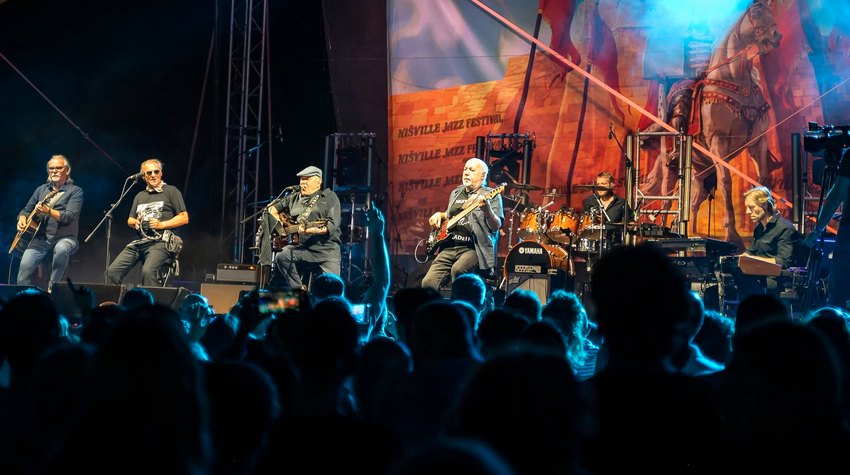
GALIJA TO CELEBRATE MAJOR ANNIVERSARY IN BANJA LUKA
NEW RAIL LINK BETWEEN REPUBLIKA SRPSKA AND SERBIA: DAILY TRAIN SERVICE FROM ZVORNIK TO BELGRADE
SEE SRPSKA RECEIVES CHARTER FROM BANJA LUKA TOURIST ORGANIZATION
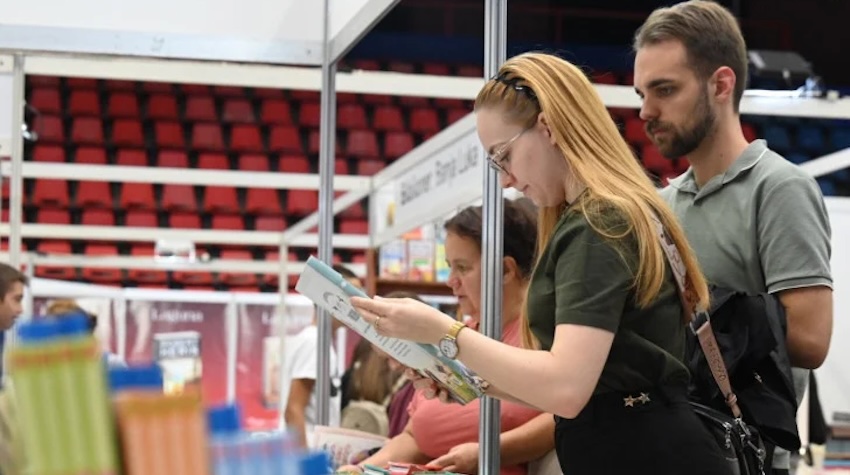
BANJA LUKA BOOK FAIR 2026 OPENS TODAY
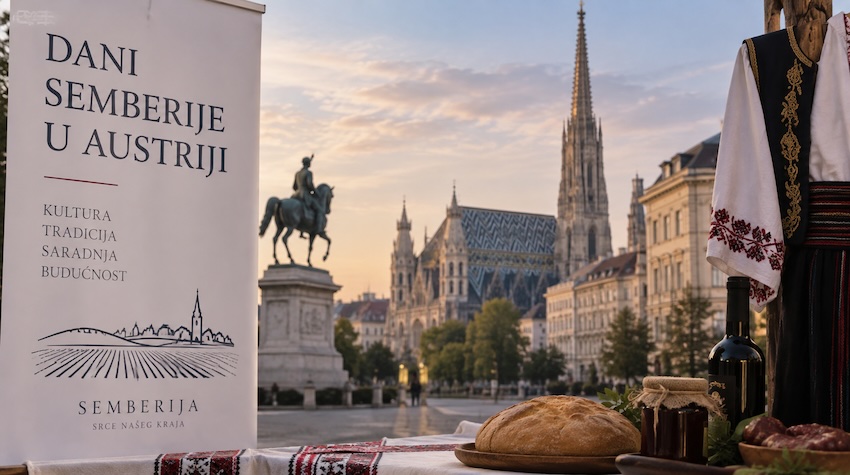
DAYS OF SEMBERIJA IN AUSTRIA: CULTURE, TRADITION AND LOCAL PRODUCTS PRESENTED TO AUSTRIAN AUDIENCES
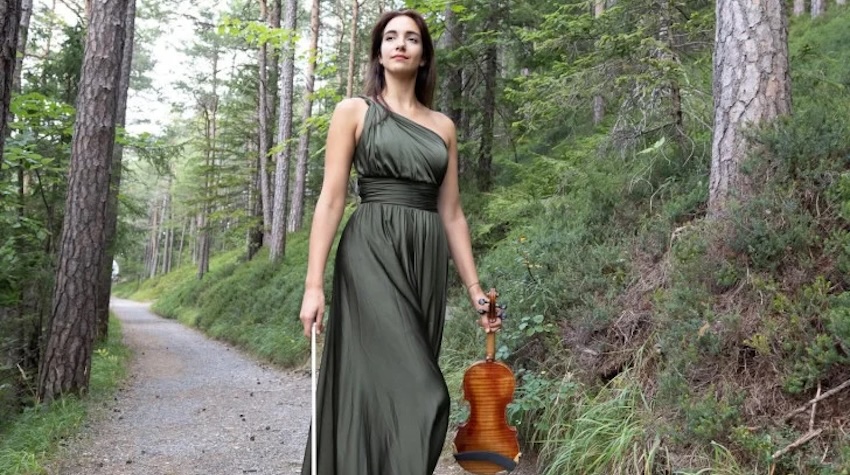
FROM EUROPEAN STAGES TO HER HOMETOWN: JOVANA RALJIĆ BRINGS VIVALDI TO BANJALUKA

 The situation at the border crossings