WHY IS GOING TO BED AFTER MIDNIGHT NOT GOOD FOR YOUR HEALTH?
Although much attention is given to how many hours of sleep we need, the time we go to bed is also important. Sleep experts warn that going to bed late, particularly when it conflicts with the body's natural rhythm, can affect sleep quality, recovery and long-term health.
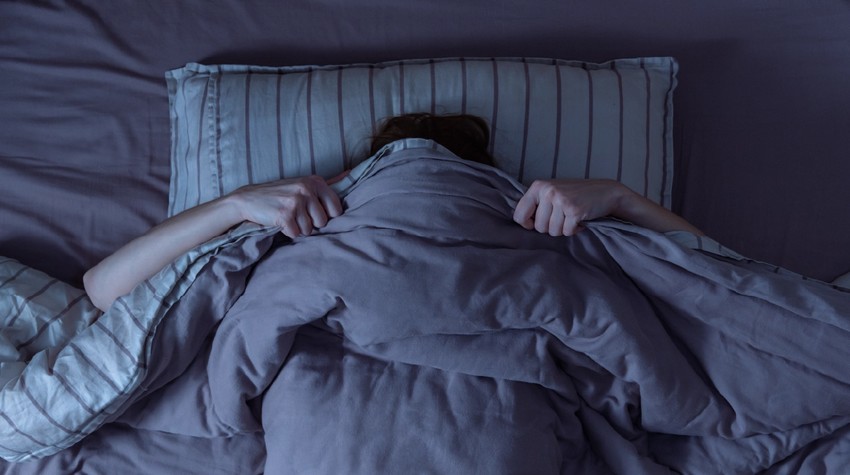
The circadian rhythm is the body's internal 24-hour clock,
regulating periods of wakefulness and sleepiness, as well as other processes,
including hormone production, metabolism and cell renewal.
Sleep specialists caution that regularly going to bed after
midnight may be less beneficial, especially when this schedule does not align
with the body's natural rhythm.
Light and darkness play a major role in regulating this
internal clock, while the hormones melatonin and cortisol are also important.
Melatonin signals to the body that it is time to sleep, and its levels
generally rise in the evening. Cortisol, on the other hand, begins to increase
in the early morning hours, helping the body prepare to wake up.
HOW DOES GOING TO BED LATE AFFECT SLEEP QUALITY?
Deep sleep is one of the most important stages of sleep.
During this phase, the body physically recovers, while the brain processes and
consolidates memories. The largest proportion of deep sleep occurs during the
first half of the night.
For this reason, going to bed very late can be problematic,
particularly for people who have to wake up early and consequently do not get
enough sleep.
Long-term circadian rhythm disruption has been linked to an
increased risk of various health problems, including cardiovascular disease,
type 2 diabetes, obesity and depression. An irregular sleep schedule may also
contribute to sleep problems such as insomnia.
However, bedtime alone is not enough to determine sleep
quality. The total amount of sleep, consistency of the sleep schedule and
individual needs are also important factors.
SIMPLE HABITS FOR BETTER SLEEP
Doctors recommend several simple habits that can help
improve sleep quality and overall rest.
Go to bed and wake up at approximately the same time every
day, including weekends.
Get natural light in the morning to help regulate your
internal body clock.
Dim the lights and reduce the use of phones, computers and
other screens one to two hours before bedtime.
Avoid caffeine in the late afternoon and evening.
Do not use alcohol as a sleep aid, as it can disrupt sleep
quality during the night.
Keep your bedroom comfortably cool and create an environment
suitable for restful sleep.
THERE IS NO IDEAL BEDTIME FOR EVERYONE
Experts emphasise that there is no single bedtime that works
for everyone. Some people naturally prefer going to bed earlier, while others
tend to stay up later.
The greater problem arises when people regularly stay up
late but still have to wake up early, leaving them without enough sleep or
disrupting their natural rhythm over time.
Therefore, in addition to the number of hours spent
sleeping, it is important to pay attention to sleep consistency, wake-up times
and how rested you feel during the day.

Join our
Viber Community
WHY IS GOING TO BED AFTER MIDNIGHT NOT GOOD FOR YOUR HEALTH?

TWO AWARDS FOR “MARTIN UDIO”: BANJALUKA THEATRE IMPRESSES AUDIENCES IN VRANJE

MOBILE PHONES ON HOLD, FAMILY AT THE TABLE: A NEW TREND IN RESTAURANTS

REGIONALA WINE SALON DEBUTS IN BANJA LUKA

VASIL HADŽIMANOV AND ALEKSANDAR PETROV TO PERFORM IN BANJA LUKA






 The situation at the border crossings