TREBINJE AMONG THE MOST DESIRABLE PLACES TO LIVE IN REPUBLIKA SRPSKA
While most municipalities in Republika Srpska are facing population decline, Trebinje is strengthening its position as one of the most desirable places to live in the entity.

According
to data from the Republic Institute of Statistics of Republika Srpska, the city
on the banks of the Trebišnjica River is among only 12 local communities with a
positive migration balance, indicating its growing attractiveness for
residents.
More People Moving In Than Leaving
Last
year, 356 people moved to Trebinje, while 127 residents left the city,
resulting in a positive migration balance of +229.
Mayor
Mirko Ćurić told Radio Trebinje that families are choosing Trebinje because of
several advantages.
Among
the key reasons are the quality of life, including the city’s mild climate and
safe, peaceful environment, as well as significant development projects
currently underway. These include the “Novo Trebinje” urban development project
and the construction of a new hospital, which is expected to further improve
healthcare services in the city.
Young People Driving Migration
Statistics
across Republika Srpska show that young people in their most productive years
are the most active participants in internal migration.
In
total, 11,298 internal migrations were recorded across the entity last year.
The
largest positive migration balance was recorded in Banja Luka, which welcomed
1,643 more residents than it lost.
At the
same time, 52 municipalities recorded a negative trend, with more people
leaving than moving in.
Fewer
Births Despite Population Inflow
Despite
the increase in new residents, Trebinje is not immune to the global challenge
of negative natural population growth.
In 2025, the city recorded the following figures:
- 386
births
- 521
deaths
City
Response: More Than 50 Family Support Programs
In an
effort to combat declining birth rates, the City of Trebinje has spent the past
decade implementing systematic measures to support families, including more
than 50 different programs.
These
measures include:
Affordable
housing: A residential building for young married couples has already been
constructed, while additional benefits are expected through the “Novo Trebinje”
project.
Financial
support: Direct monetary assistance for every newborn child.
In
vitro fertilization support: Financial assistance for couples struggling to
have children.
Employment
programs: Initiatives aimed at providing economic security for young families.
Mayor
Ćurić emphasized that demographic challenges are not unique to Trebinje.
“Negative
natural population growth is a global challenge, but as a responsible community
we are doing everything we can to help families secure their first home and
employment,” Ćurić said.

Join our
Viber Community
TRAVELING BY CAMPERVAN FOR THE FIRST TIME? HERE’S WHAT YOU SHOULD KNOW BEFORE YOU GO
NEW RAIL LINK BETWEEN REPUBLIKA SRPSKA AND SERBIA: DAILY TRAIN SERVICE FROM ZVORNIK TO BELGRADE
‘DRŽAVNI POSAO’ CREW FILMS NEW PROJECT IN TREBINJE
SEE SRPSKA RECEIVES CHARTER FROM BANJA LUKA TOURIST ORGANIZATION
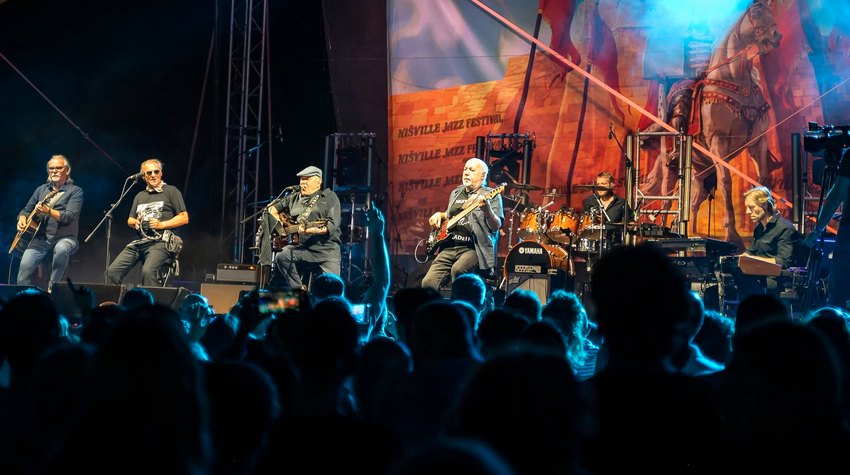
GALIJA TO CELEBRATE MAJOR ANNIVERSARY IN BANJA LUKA
NEW RAIL LINK BETWEEN REPUBLIKA SRPSKA AND SERBIA: DAILY TRAIN SERVICE FROM ZVORNIK TO BELGRADE
SEE SRPSKA RECEIVES CHARTER FROM BANJA LUKA TOURIST ORGANIZATION
BANJA LUKA BOOK FAIR 2026 OPENS TODAY
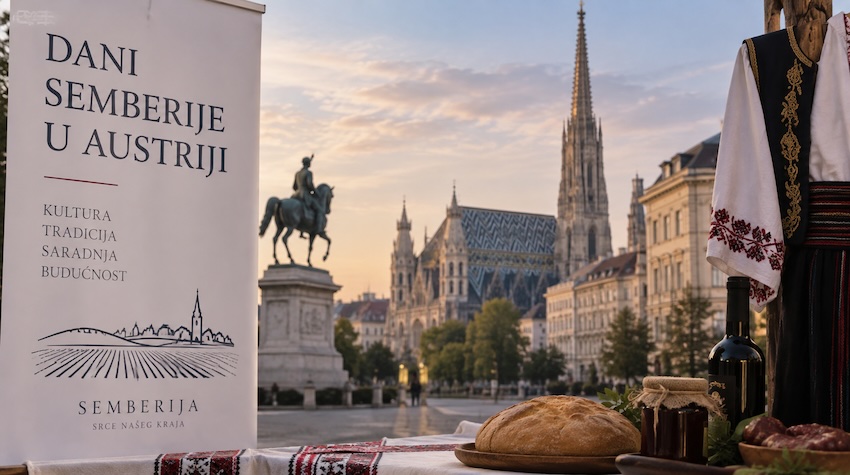
DAYS OF SEMBERIJA IN AUSTRIA: CULTURE, TRADITION AND LOCAL PRODUCTS PRESENTED TO AUSTRIAN AUDIENCES
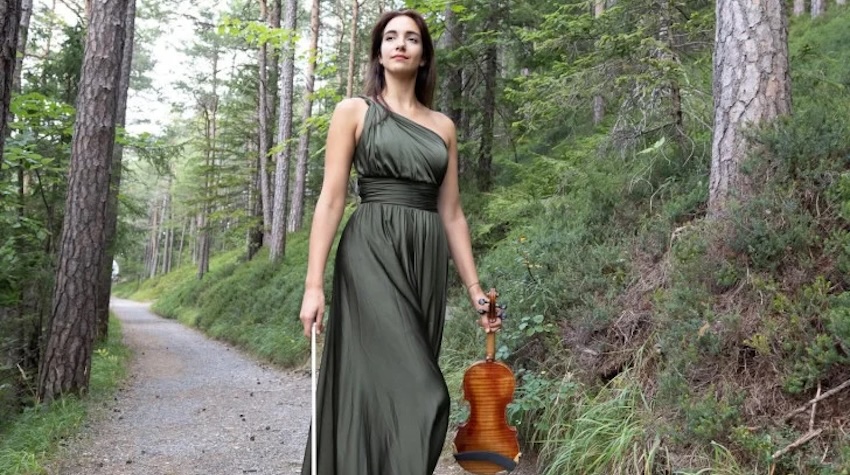
FROM EUROPEAN STAGES TO HER HOMETOWN: JOVANA RALJIĆ BRINGS VIVALDI TO BANJALUKA

 The situation at the border crossings