NEW RULES IN TREBINJE’S OLD TOWN: NO MORE FLASHY ADVERTISEMENTS
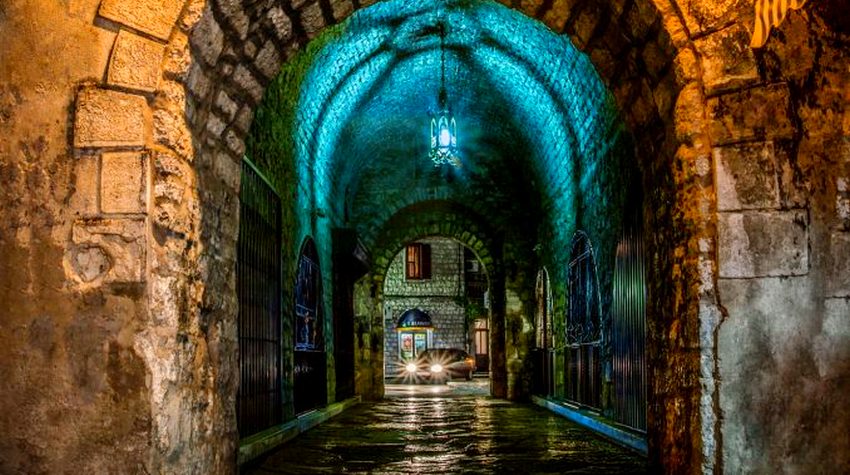
All advertising content in the historic center of Trebinje will in the future have to be fully aligned with the authentic atmosphere of the city’s Old Town. Under the new rules, advertisements must be made from natural materials and cannot include illuminated or visually intrusive elements.
The
decision was adopted by the city council through amendments to the regulations
on advertising, which now prescribe special conditions for the use of
advertising media within the Old Town area. The updated rules clearly define
the permitted types of advertisements and the way they may be installed.
According
to the new provisions, advertisements must be discreet and harmonized with the
appearance of the buildings on which they are placed. They must be made exclusively
from wood, wrought metal, or other natural materials, with traditional-style
typography. Plastic materials, bright colors, and any form of illuminated
screens will no longer be allowed.
PROTECTING HISTORICAL HERITAGE
The
main objective of these measures is the preservation of the cultural and
historical heritage of the Old Town and the protection of its architectural and
ambient values.
“The
goal is to safeguard the cultural and historical identity of the Old Town by
aligning the appearance of advertising media with the environmental,
architectural, and historical values of the area. Oversized and visually
inappropriate advertisements damage the appearance of historic spaces, reduce
their cultural value, and disrupt the overall ambiance,” said Amerisa Zavitan
Jeftović.
Trebinje
councilors also agreed to amend the decision on municipal fees, introducing
significantly higher tariffs for businesses involved in organizing games of
chance.
Under
the new rules, municipal fees for slot machine clubs will increase from 8,000
to 15,000 KM, for betting shops from 5,000 to 10,000 KM, and for lottery
outlets from 3,500 to 5,000 KM. Apart from Bihać, only a few local communities
in the country have implemented similar measures.
A CITY WITH A RICH HISTORY
The
Old Town of Trebinje, known as Kastel Old Town, was established during the
Ottoman period as a strategic settlement in Herzegovina. Its construction was
prompted by major geopolitical changes following the fall of Herceg Novi and
Risan to Venetian control during the wars with the Holy League between 1683 and
1699.
The
town was built on the right bank of the Trebišnjica River above the deepest
part of the river known as Ban-vir, named after a local legend about a ban who
drowned in the whirlpool.
A key
role in the development of the fortress town was played by Osman‑paša Resulbegović, who initiated major construction works in
1714. Craftsmen from Dubrovnik were brought in, while laborers came from
surrounding areas such as Ljubinje, Cernica and Nikšić.
During
that period, the city walls were expanded, a defensive canal connected to the
Trebišnjica was dug, and several important structures were built, including the
Sultan Ahmed Mosque, Osman-paša’s Mosque, and the famous clock tower that still
stands today.
Originally
triangular in shape, the Old Town gradually developed into its current form
with towers, walls, and fortifications during the first four decades of the
18th century. A drawbridge once stood at the main gate, crossing a canal that
was later filled in during 1932 on the recommendation of Dr. Levi due to
concerns about the spread of infectious diseases.

Join our
Viber Community
TRAVELING BY CAMPERVAN FOR THE FIRST TIME? HERE’S WHAT YOU SHOULD KNOW BEFORE YOU GO

NEW RAIL LINK BETWEEN REPUBLIKA SRPSKA AND SERBIA: DAILY TRAIN SERVICE FROM ZVORNIK TO BELGRADE
‘DRŽAVNI POSAO’ CREW FILMS NEW PROJECT IN TREBINJE
SEE SRPSKA RECEIVES CHARTER FROM BANJA LUKA TOURIST ORGANIZATION
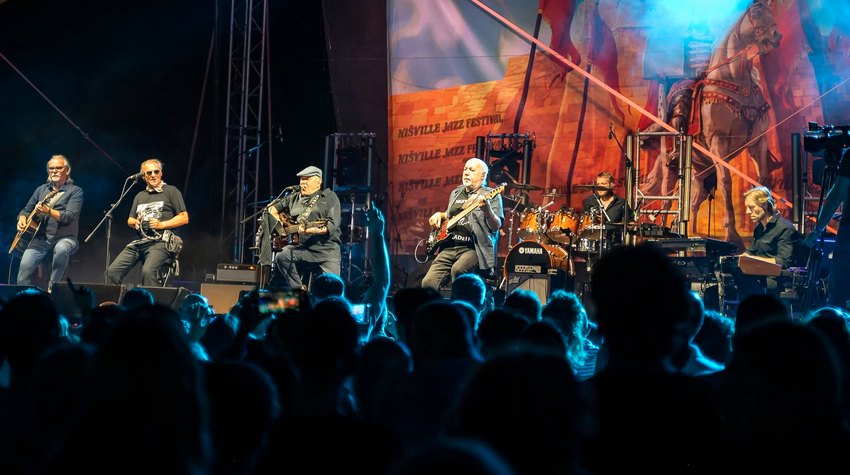
GALIJA TO CELEBRATE MAJOR ANNIVERSARY IN BANJA LUKA
NEW RAIL LINK BETWEEN REPUBLIKA SRPSKA AND SERBIA: DAILY TRAIN SERVICE FROM ZVORNIK TO BELGRADE
SEE SRPSKA RECEIVES CHARTER FROM BANJA LUKA TOURIST ORGANIZATION
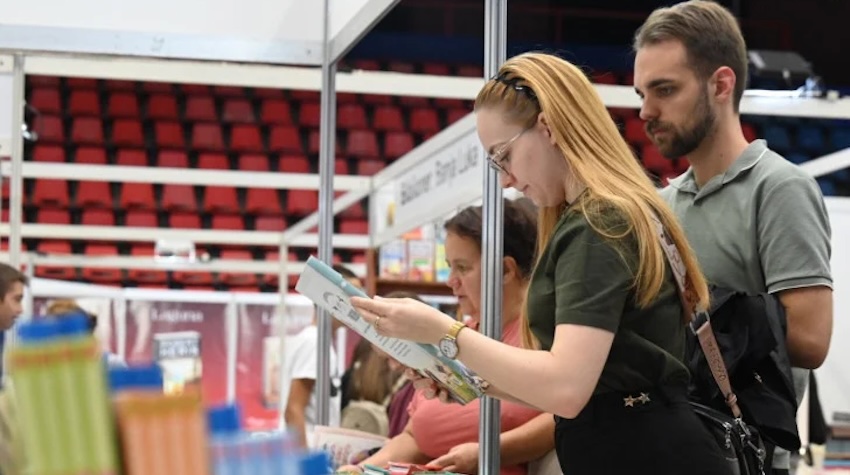
BANJA LUKA BOOK FAIR 2026 OPENS TODAY
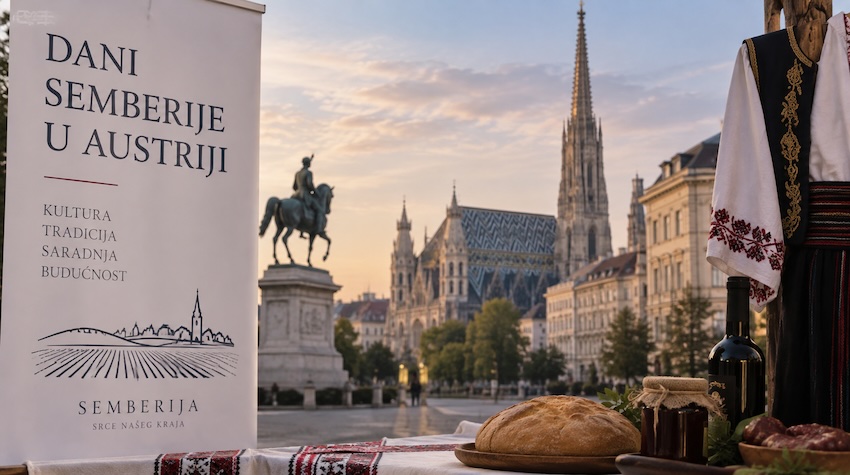
DAYS OF SEMBERIJA IN AUSTRIA: CULTURE, TRADITION AND LOCAL PRODUCTS PRESENTED TO AUSTRIAN AUDIENCES
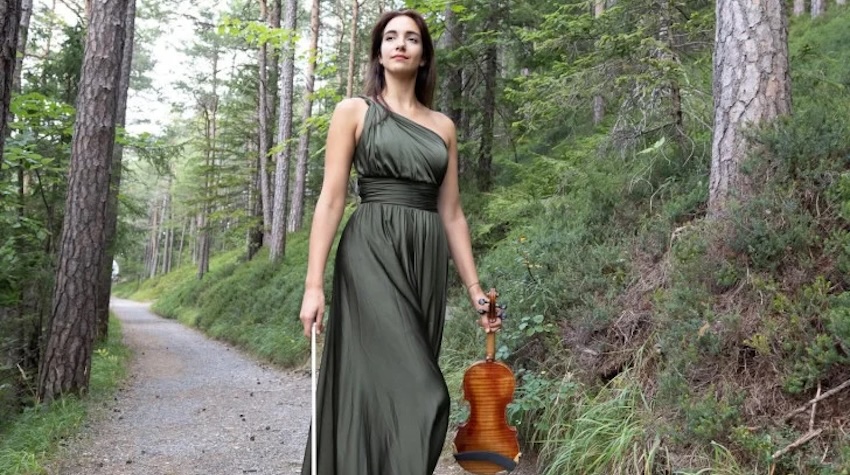
FROM EUROPEAN STAGES TO HER HOMETOWN: JOVANA RALJIĆ BRINGS VIVALDI TO BANJALUKA


 The situation at the border crossings