KOZARSKA DUBICA THROUGH THE EYES OF A WELSH TRAVEL WRITER
At a time when travel is often reduced to quick snapshots and fleeting impressions, an authorial travel piece by John William Bills offers something different — an honest, personal, and almost intimate portrayal of a place that may seem quiet at first glance, yet carries a remarkably rich story.
His
destination is Kozarska Dubica, a small town in the north of Republika Srpska,
nestled between the Una River and the Sava River. While its history stretches
deep into the Middle Ages, its true identity, as the author suggests, lies in
its people and atmosphere.
A TOWN DEFINED BY PEOPLE, NOT ATTRACTIONS
Rather
than opening with landmarks or historical facts, the Welsh travel writer begins
his story with laughter. An evening in a local restaurant, spontaneous
conversations, and moments of pure, unfiltered joy become the gateway to
understanding the town.
Through
such details, Kozarska Dubica is not presented as a typical tourist
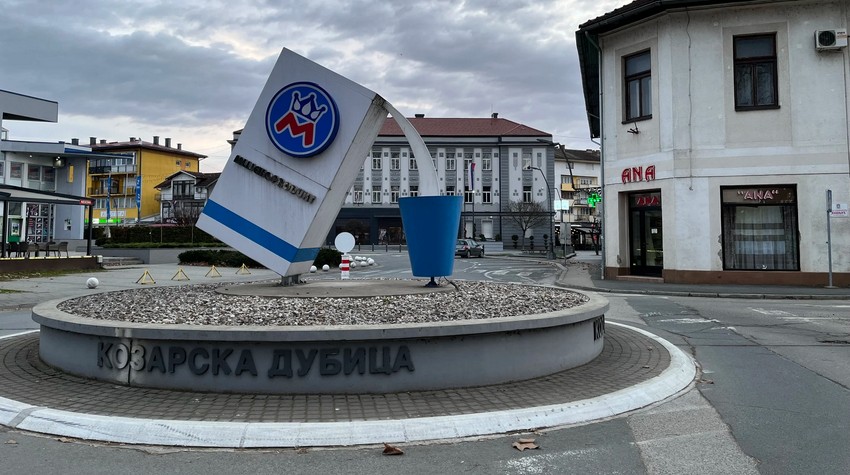
destination, but as an experience. Even when mentioning local curiosities —
such as an unusual monument dedicated to milk, symbolizing the region’s
agricultural heritage — the author makes it clear that the town’s greatest
value lies in its people.
LAYERS OF HISTORY
Like
many border towns, Kozarska Dubica has lived through centuries at the
crossroads of empires. Ottoman and Austro-Hungarian influences, along with
periods of conflict and destruction, have shaped its identity and left visible
traces in both its architecture and collective memory.
Yet
today, the town does not seek to impress through grandeur. Instead, it embraces
simplicity. A walk through its center reveals a blend of historic buildings,
religious sites, and everyday life unfolding without pretension.
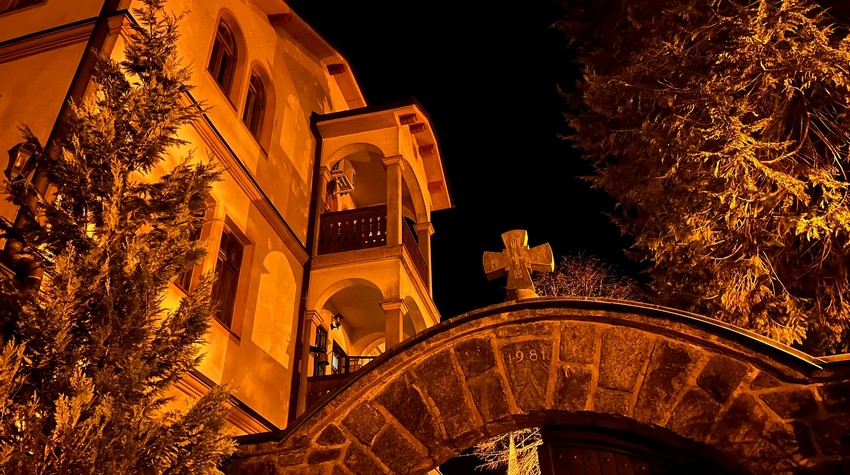
A MONASTERY BEYOND THE CITY
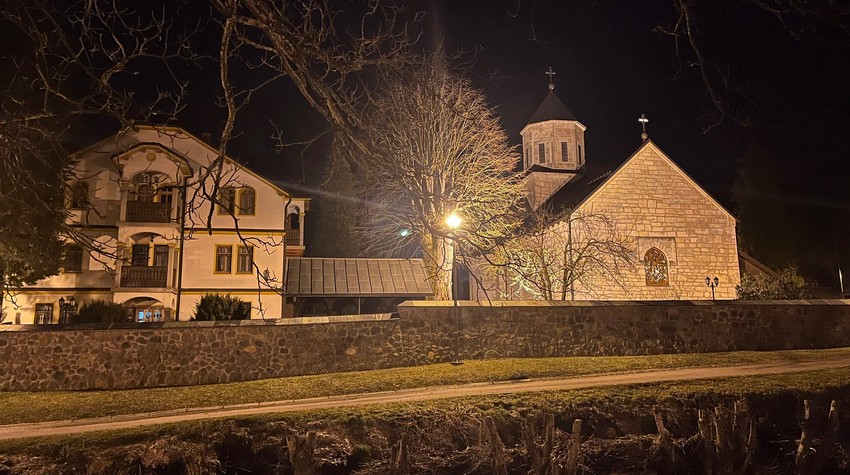
The
highlight of this authorial travel narrative lies not in the town itself, but a
few kilometers away — at the Moštanica Monastery.
Surrounded
by forest and silence, the monastery stands in stark contrast to the rhythms of
daily urban life. Rather than focusing on historical facts, the author
describes it through feeling — a sense of peace, calm, and inner stillness
rarely found elsewhere.
Despite
being destroyed and rebuilt several times throughout history, its resilience gives
it deeper symbolic meaning. It is not merely a cultural and historical site,
but a place that reflects endurance, renewal, and spiritual strength.
A TRAVELOGUE ABOUT PEOPLE
What
sets this piece apart is its distinctly authorial tone. This is not a conventional
travel guide, but a personal reflection on faith, tranquility, and human
connection.
The
writer ultimately suggests that the essence of travel is not found in places,
but in encounters — in conversations, smiles, and that fleeting sense of belonging,
even if only for a single day.
Kozarska
Dubica, therefore, does not impose itself as a destination one “must visit,”
but rather as a place that can only be truly understood once it is genuinely
experienced.

Join our
Viber Community









 The situation at the border crossings