WHAT ARE TOURISTS FROM DIFFERENT COUNTRIES LIKE? JAPANESE ARE THE MOST POLITE, AMERICANS THE MOST GENEROUS
Who are the most polite tourists in the world? Who leaves the biggest tips, who spends the most money, and who is most likely to combine travel with adventure and gastronomy? A new survey offers an interesting insight into the travel habits and behaviour of tourists from different countries.
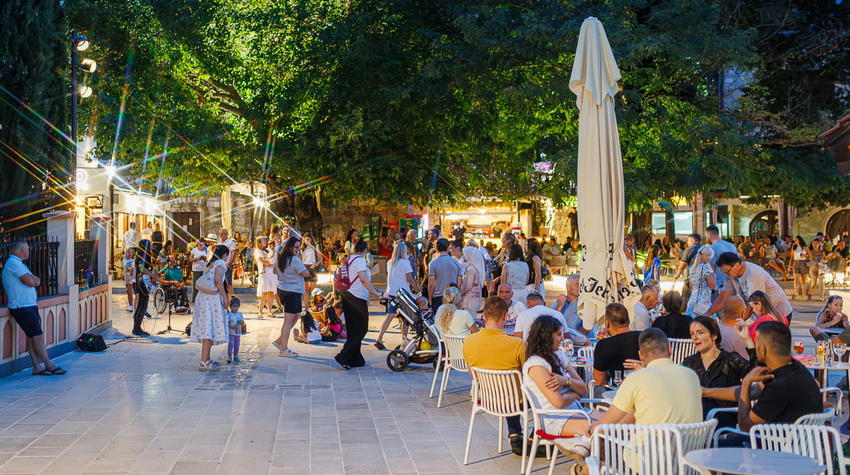
The research was conducted by SafariBookings, a platform
specialising in African safari travel, with 192 tourism operators taking part
in the survey.
As reported by Euronews, respondents evaluated tourists of
different nationalities based on their behaviour, spending habits, tipping,
interest in adventure and enthusiasm for food.
JAPANESE TOURISTS TOP THE LIST FOR POLITENESS
Japanese tourists took first place when it comes to
politeness, with 21.1 per cent of tourism operators identifying them as the
most polite travellers.
Norwegians ranked second with 10.6 per cent, followed
closely by Swiss tourists with 10.4 per cent. Tourists from Canada and the
United States also ranked highly.
At the other end of the list were Italian tourists, with
just 1.3 per cent of respondents naming them as the most polite.
However, the survey also highlights the fact that tourists
cannot be defined by a single characteristic. Their behaviour can depend on the
destination, cultural background, type of trip and individual habits.
AMERICANS ARE THE MOST GENEROUS TIPPERS
When it comes to tipping, American tourists clearly took the
top spot.
Travellers from the United States received 29.5 per cent of
the votes from tourism operators, putting them well ahead of other
nationalities.
German tourists ranked second with 13.1 per cent, followed
by Canadians with 10 per cent and Swiss tourists with 8.6 per cent.
The result may partly reflect the deeply established tipping
culture in the United States, where tipping is a common part of service
interactions.
WHO SPENDS THE MOST WHILE TRAVELLING?
Americans also topped the ranking when it comes to overall
travel spending.
As many as 24 per cent of surveyed tourism operators
identified US tourists as those who spend the most during their trips.
They were followed by German and Canadian tourists, who each
received 12.8 per cent of the votes.
Such differences in spending habits can have a significant
impact on the tourism industry, particularly in destinations where
international visitors represent an important source of revenue.
GERMANS ARE THE BIGGEST ADVENTURE LOVERS
For travellers looking for adventure, active holidays and
the opportunity to explore new places, German tourists came out on top in the
survey.
As many as 21.1 per cent of tourism operators identified
Germans as the most active and adventure-oriented tourists.
French tourists ranked second with 17.8 per cent, while
Dutch travellers followed with 11 per cent.
British and Indian tourists each received 4.5 per cent,
while Spanish tourists ranked last in this category with 4.3 per cent.
INDIAN TOURISTS TRAVEL FOR FOOD TOO
Gastronomy has become an increasingly important part of the
travel experience, and tourists from Asia stand out particularly strongly in
this category.
Indian tourists ranked first among those who most enjoy food
while travelling. They were followed by Japanese and French tourists, while
China ranked fourth.
The Netherlands took fifth place with 7.7 per cent, while
Italy ranked sixth, just 0.1 percentage points behind.
TOURISM IS ABOUT MORE THAN JUST TRAVEL
The survey is an interesting reminder that tourism is about
much more than choosing a destination, hotel or attraction. The overall travel
experience is also shaped by guests' behaviour and their attitude towards
hosts, local culture and the natural environment.
From politeness and respect for local customs, through
willingness to spend money and leave tips, to an interest in local cuisine and
adventurous activities, different tourist habits can influence the way
destinations experience and respond to international visitors.
For tourism destinations, such research can provide useful
insights into the expectations and preferences of guests from different parts
of the world, helping the industry better understand and serve an increasingly
diverse international travelling public.

Join our
Viber Community
WHERE TO GO FOR A MINI BREAK FOR TWO FOR JUST BAM 69

3 GREAT WEEKEND GETAWAY IDEAS IN REPUBLIC OF SRPSKA
TREBINJE’S TOURISM OFFER PRESENTED AT SARAJEVO TOURISM FAIR
BANJA LUKA HONEY DAYS: A SWEET CELEBRATION OF LOCAL TRADITION

FIVE AUTUMN ACTIVITIES FOR THE WHOLE FAMILY

GRADIŠKA INNOVATOR RECEIVES OFFICIAL SUPPORT FOR INNOVATIVE DIGITAL PROJECT
GAT NEAR GACKO EMERGES AS A NEW TOURIST ATTRACTION: NEW TRAILS, VIEWPOINTS AND REST AREAS
.jpg)
WHAT IS BEING BUILT IN SUTJESKA NATIONAL PARK?

EVERYONE IS INVITED: CHARITY HIKE ON KOZARA MOUNTAIN IN SUPPORT OF JELENA

BANJA LUKA’S YOUNGEST RESIDENTS SHOW THAT KINDNESS HAS NO AGE

 The situation at the border crossings