ISRAELI JOURNALIST DISCOVERS THE HIDDEN CHARM OF REPUBLIKA SRPSKA
Israeli journalist Ariel Bulshtein has presented Republika Srpska as one of the Balkans’ most intriguing yet still relatively undiscovered destinations for Israeli travellers, in a travel feature published by Israel Hayom under the headline “Not a Tourist Conveyor Belt: The European Destination Visitors Have Yet to Overrun.”
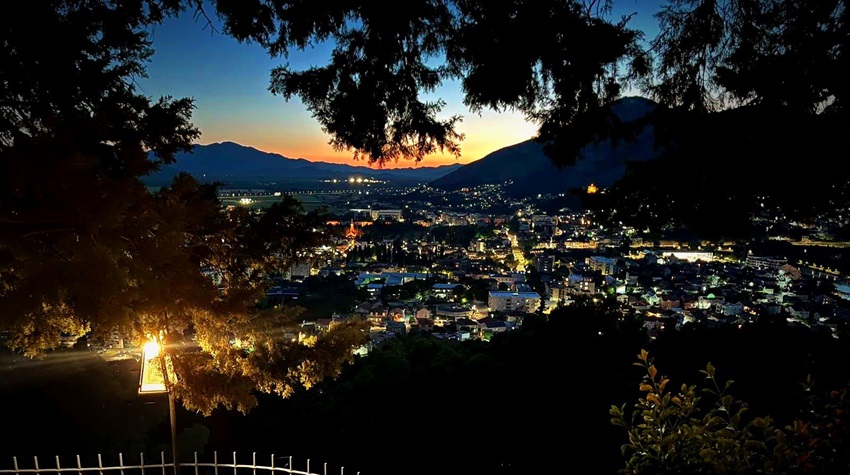
In his travelogue, Bulshtein highlights the
region’s rivers, mountains, rainforests, historic towns, monasteries and
gastronomy, while placing particular emphasis on the fact that Republika Srpska
has not yet been overwhelmed by mass tourism.
“It is precisely the fact that it has not yet
been overrun by tourists that gives it a charm that is difficult to find in
better-known European destinations,” Bulshtein writes, describing it as a place
where travellers can still experience a genuine “sense of discovery”.
Throughout the article, the journalist
explores some of the region’s most distinctive destinations, including
Sutjeska, Perućica, the Zelengora lakes, Višegrad, Andrićgrad and Banja Luka.
Special attention is devoted to the southern part of Republika Srpska and the
city of Trebinje.
“And then you arrive in the south, in
Trebinje, a city where the Mediterranean influence is already strongly felt,”
Bulshtein writes.
He points out that Trebinje lies at the foot
of Mount Leotar and is located within reach of Dubrovnik, Kotor and Mostar. The
city, he notes, is characterised by a mild climate and a large number of sunny
days throughout the year.
The atmosphere and relaxed rhythm of everyday
life appear to have made a particularly strong impression on the Israeli
journalist.
“Large plane trees, historic buildings, cafés,
the local market and the Trebišnjica River create a relaxed atmosphere that, in
some places, is reminiscent of the Adriatic coast,” he writes.
Bulshtein also singles out the Hercegovačka Gračanica church on Crkvina Hill, describing it as one of the most impressive viewpoints in the area.
“From here, Trebinje and its surroundings can
be observed, and on a clear day you can understand just how close the city is
to the Mediterranean world,” he notes.
Another striking element of his description of
Trebinje is the vineyards surrounding the city. According to Bulshtein, they
“add another dimension to the experience”, while wine tasting naturally
complements a journey for visitors seeking to discover Herzegovina through its
local food, wine and agricultural traditions.
From his story about Trebinje, Bulshtein also
turns to the wider gastronomic offer of Republika Srpska, highlighting the
combination of Balkan, Serbian and Mediterranean influences.
He mentions grilled meat, cheeses, pastries,
soups, seasonal vegetables and river fish, while in the south he particularly
highlights local wine. As he puts it, “a meal here is not merely a culinary
experience, but part of the local culture”.
“Food is a way to get to know a place and its
people,” Bulshtein concludes, describing the tradition of spending long hours
at the table, engaging in conversation and experiencing the region’s renowned
hospitality.
Throughout the travelogue, the journalist
portrays Republika Srpska as a destination where natural beauty, history,
gastronomy and authenticity come together, offering travellers an experience
far removed from the well-trodden paths of mass tourism.
Trebinje, in particular, stands out in his account
as a city where the character of the Balkans meets the Mediterranean, providing
visitors with a distinctive combination of heritage, nature, wine, food and a
relaxed southern atmosphere.
For Israeli travellers seeking new European
destinations beyond the most crowded tourist centres, Bulshtein’s account
presents Republika Srpska as a place where the feeling of discovery is still
very much alive.

Join our
Viber Community
PHOTO WALK THROUGH “OZRENSKA JESEN” IN PETROVO
“ROMANIJA HERBS” – A STORY OF A MAN, A MOUNTAIN AND HEALTH
BANJA LUKA TO IMPROVE ACCESS TO KAMENI MOST NATURAL LANDMARK
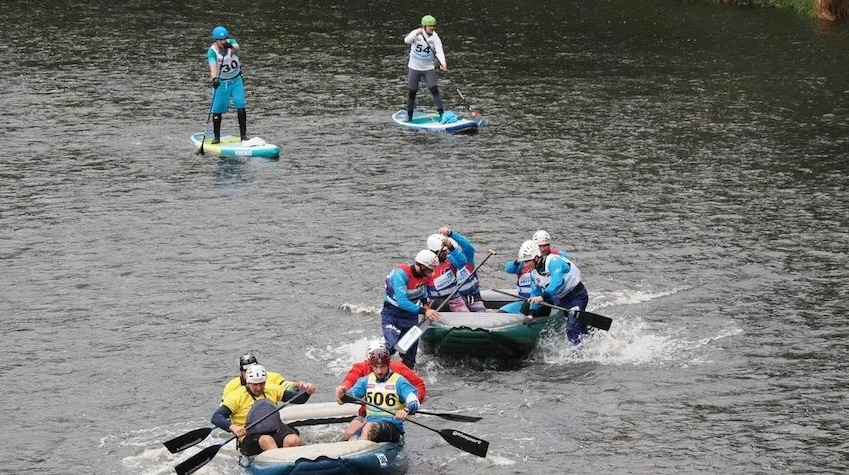
BANJA LUKA RAFTERS UNSTOPPABLE: THIRD CONSECUTIVE TITLE AT MARATHON IN THE CZECH REPUBLIC

FROM LOCAL PRODUCTS TO RURAL FARMSTEADS: GRADIŠKA WELCOMES BEEKEEPERS FROM NORTH MACEDONIA


 The situation at the border crossings