LET US PRESERVE OUR NATURAL GEMS AND WILD PLANTS
Every year on March 3, the world marks World Wildlife Day, dedicated to raising awareness about the importance of wild species of flora and fauna that inhabit diverse ecosystems — the natural habitats essential for their survival.
However,
many of these habitats are increasingly threatened by human activities, which
negatively impact wildlife and put numerous species at risk of extinction.
This
year’s theme, “Medicinal and Aromatic Plants: Sustaining Health, Heritage and
Livelihoods,” highlights the crucial role plants play in human health,
ecosystem protection, and the sustainability of local communities.
Medicinal
and aromatic plants are deeply embedded in everyday life — from kitchens to
pharmacies. Their use is as old as humanity itself. Throughout history, people
have relied on plants for healing, nutrition, and cosmetic purposes, and they
continue to do so today.
In
order to continue enjoying the benefits and beauty that nature provides,
responsible behavior toward natural resources is essential to ensure that wild
species survive for future generations.
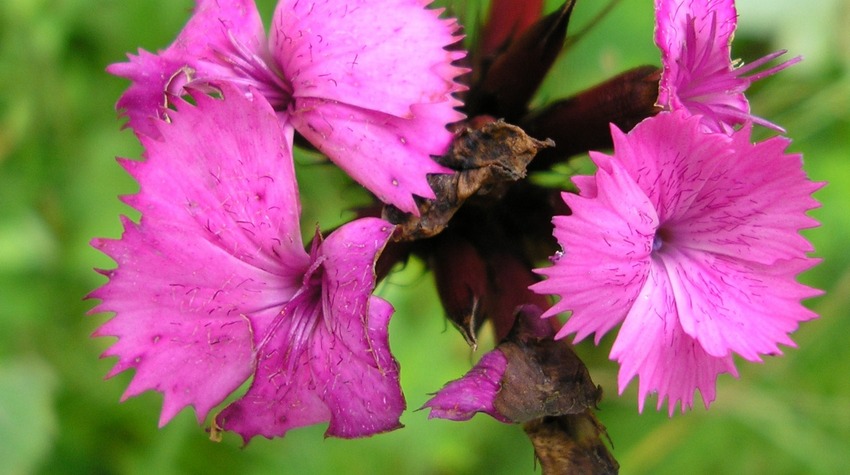
The area of Kozara National Park is home to a large number of medicinal plants, including hare’s foot, ground pine, smoke tree, St. John’s wort, mallow, branched centaury, lungwort, woundwort, plantain, and many others.
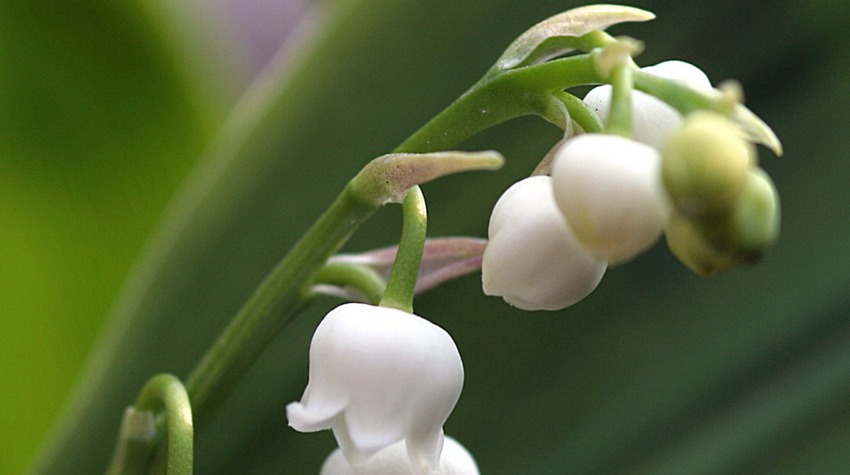
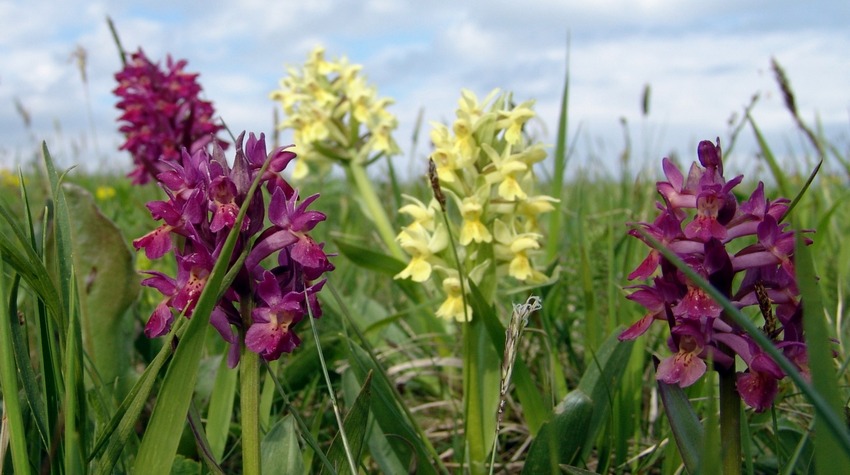
Around
30 rare and endangered plant species have also been recorded in the park, such
as white helleborine, holly, black cyclamen, wild lily, lily of the valley,
early purple orchid, butcher’s broom, bird vetch, yew, large pink, and
snowdrop.
“To
preserve our wild species, it is essential to respect the rules of conduct in
nature — do not move outside marked trails, avoid using motor vehicles on
meadow surfaces, and exercise extreme caution when lighting fires,”
representatives of Nacionalni park Kozara reminded visitors.
Protecting
wild plants and their habitats is not only an environmental responsibility, but
also a commitment to safeguarding natural heritage and biodiversity for
generations to come.

Join our
Viber Community
TRAVELING BY CAMPERVAN FOR THE FIRST TIME? HERE’S WHAT YOU SHOULD KNOW BEFORE YOU GO

NEW RAIL LINK BETWEEN REPUBLIKA SRPSKA AND SERBIA: DAILY TRAIN SERVICE FROM ZVORNIK TO BELGRADE
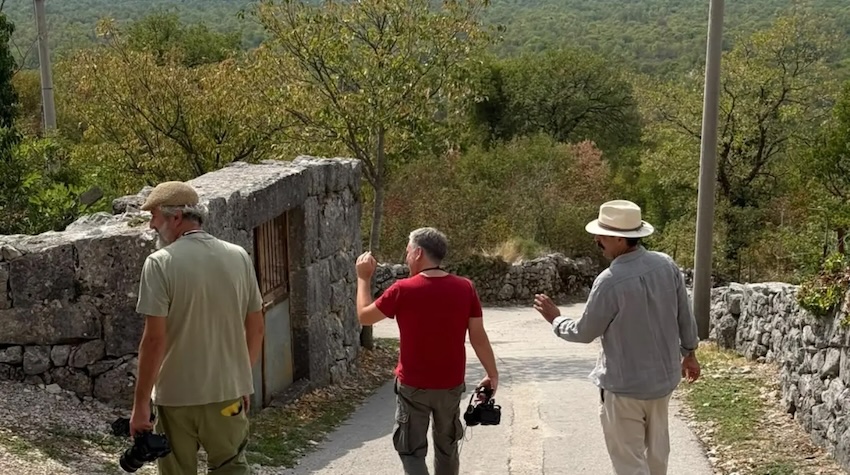
‘DRŽAVNI POSAO’ CREW FILMS NEW PROJECT IN TREBINJE
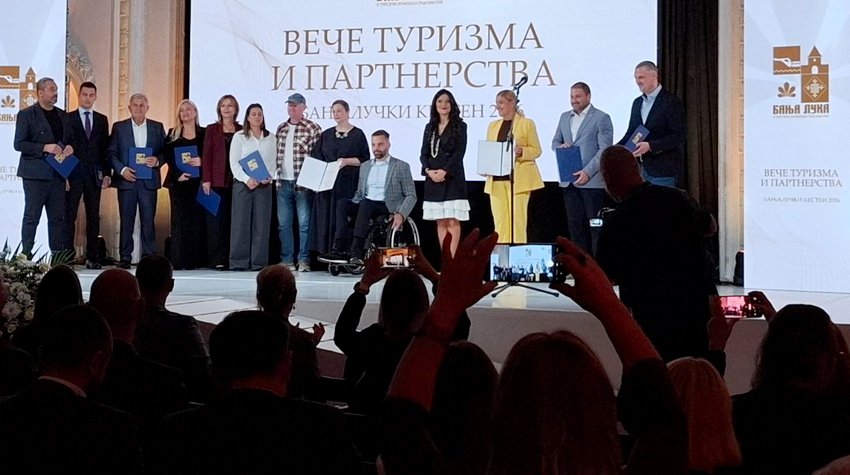
SEE SRPSKA RECEIVES CHARTER FROM BANJA LUKA TOURIST ORGANIZATION

GALIJA TO CELEBRATE MAJOR ANNIVERSARY IN BANJA LUKA
NEW RAIL LINK BETWEEN REPUBLIKA SRPSKA AND SERBIA: DAILY TRAIN SERVICE FROM ZVORNIK TO BELGRADE
SEE SRPSKA RECEIVES CHARTER FROM BANJA LUKA TOURIST ORGANIZATION

BANJA LUKA BOOK FAIR 2026 OPENS TODAY
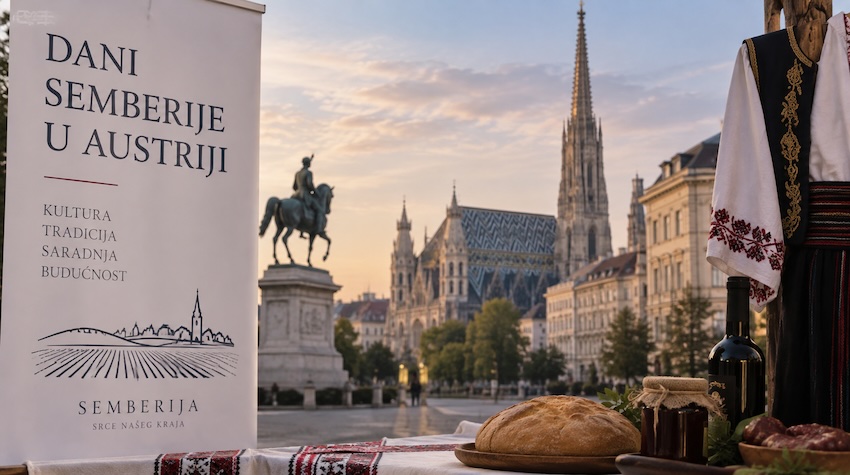
DAYS OF SEMBERIJA IN AUSTRIA: CULTURE, TRADITION AND LOCAL PRODUCTS PRESENTED TO AUSTRIAN AUDIENCES

FROM EUROPEAN STAGES TO HER HOMETOWN: JOVANA RALJIĆ BRINGS VIVALDI TO BANJALUKA


 The situation at the border crossings