WHY FIG TREES SHOULD NOT BE PLANTED NEAR THE HOUSE
Many homeowners with gardens aim to enhance their outdoor space by planting trees and other greenery. Some choose shade-providing trees to make hot summer days more comfortable, while others opt for fruit trees that offer delicious harvests.
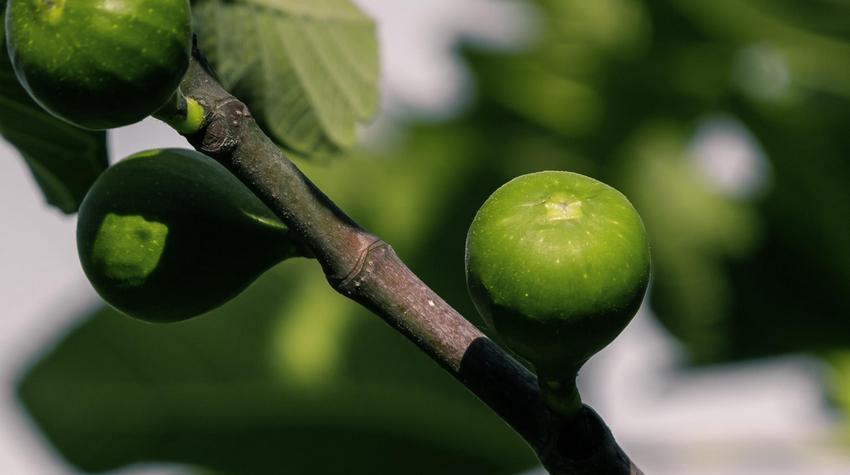
Regardless of the intention, experts advise consulting professionals before planting any tree. This helps determine whether the conditions in your yard are suitable for a specific species and prevents potential long-term issues.
It is equally important to understand the characteristics of the tree you plan to plant, as some species are not recommended near houses due to the risk of structural damage.
One such example is the fig tree.According to traditional knowledge passed down through generations, fig trees were rarely planted close to homes—and for good reason. Their root systems are highly invasive, growing quickly and spreading over large areas in search of moisture.
Fig tree roots can easily penetrate cracks in the ground and reach the foundations of houses, especially in areas with higher soil moisture. This can lead to serious structural concerns over time.
In addition, the roots may interfere with underground infrastructure. They can wrap around water, sewage, and other utility pipes, potentially damaging or even breaking them.
Those who have dealt with such issues often share the same advice: when it comes to fig trees, the farther from the house, the better.

Join our
Viber Community
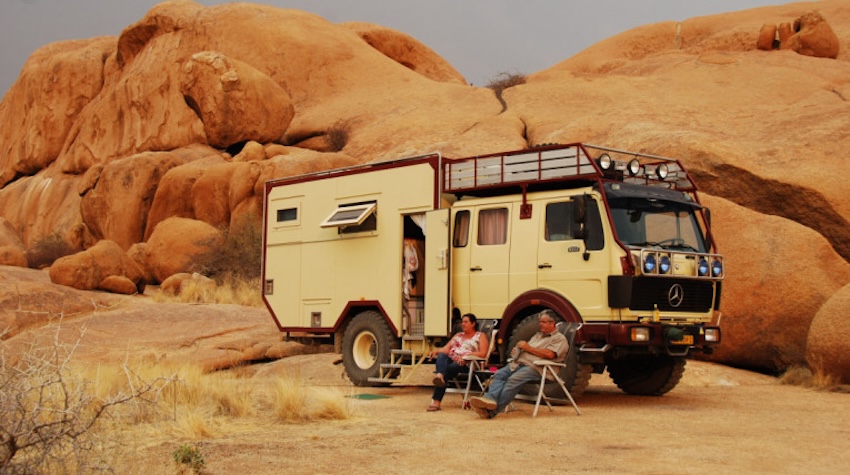
TRAVELING BY CAMPERVAN FOR THE FIRST TIME? HERE’S WHAT YOU SHOULD KNOW BEFORE YOU GO

NEW RAIL LINK BETWEEN REPUBLIKA SRPSKA AND SERBIA: DAILY TRAIN SERVICE FROM ZVORNIK TO BELGRADE
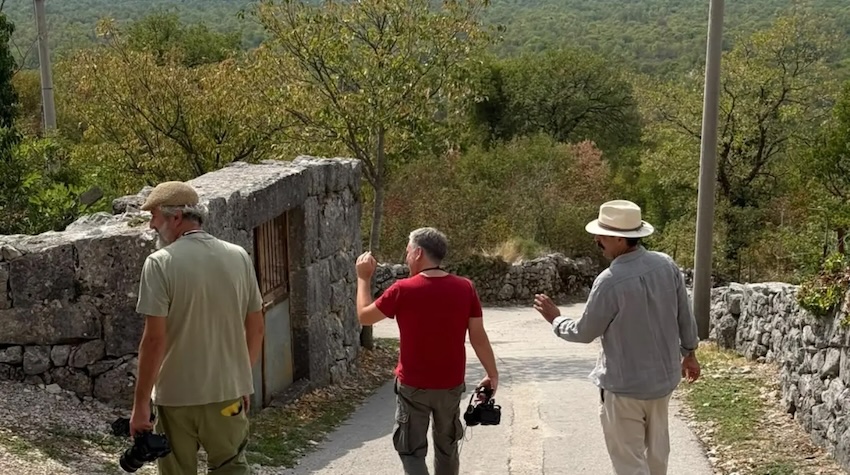
‘DRŽAVNI POSAO’ CREW FILMS NEW PROJECT IN TREBINJE

SEE SRPSKA RECEIVES CHARTER FROM BANJA LUKA TOURIST ORGANIZATION

GALIJA TO CELEBRATE MAJOR ANNIVERSARY IN BANJA LUKA
SEE SRPSKA RECEIVES CHARTER FROM BANJA LUKA TOURIST ORGANIZATION
NEW RAIL LINK BETWEEN REPUBLIKA SRPSKA AND SERBIA: DAILY TRAIN SERVICE FROM ZVORNIK TO BELGRADE
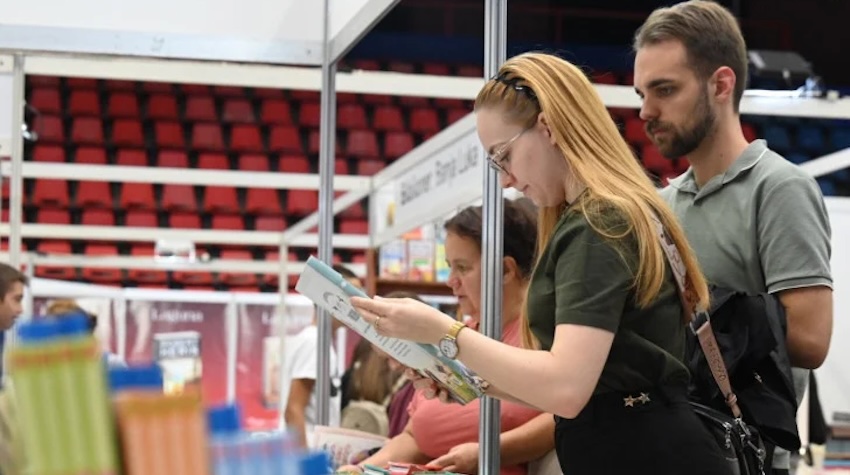
BANJA LUKA BOOK FAIR 2026 OPENS TODAY

DAYS OF SEMBERIJA IN AUSTRIA: CULTURE, TRADITION AND LOCAL PRODUCTS PRESENTED TO AUSTRIAN AUDIENCES
FROM EUROPEAN STAGES TO HER HOMETOWN: JOVANA RALJIĆ BRINGS VIVALDI TO BANJALUKA


 The situation at the border crossings