FOR BETTER SLEEP, RELAXATION AND SKIN CARE – MANY STILL TURN TO CHAMOMILE
There are hardly any households where a cup of chamomile tea has not been brewed at least once. Many people associate chamomile with childhood, colds or stomach aches, but this modest plant has a much wider range of traditional uses.
Although we increasingly reach for exotic plants and
expensive supplements, chamomile remains one of the best-known natural remedies
and continues to have a place in everyday life.
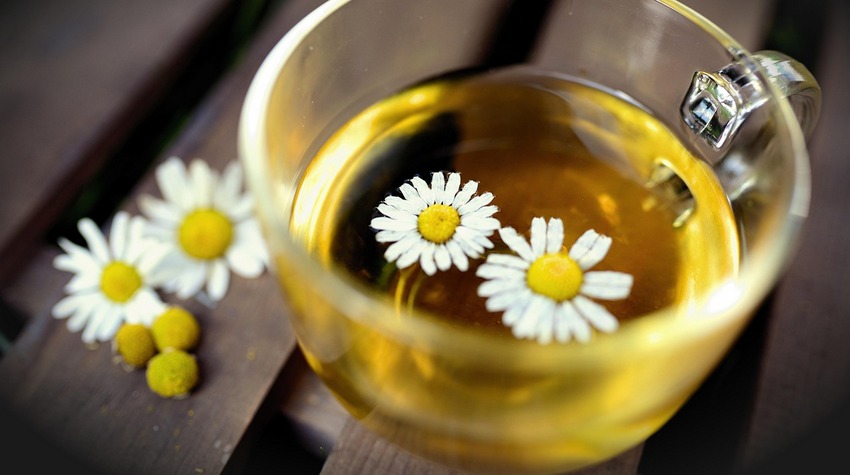
Chamomile (Matricaria chamomilla) belongs to the daisy
family and is widespread across Europe, Asia and North America. It grows in
sunny meadows, along roadsides and on neglected land, and has been cultivated
for centuries because of its properties. Its white flowers with yellow centers
are easily recognizable, while the fully opened flower heads are the part most
commonly used in traditional preparations.
A NATURAL ALLY USED FOR CENTURIES
Chamomile contains flavonoids, antioxidants, essential oils
and other bioactive compounds, which is why it has traditionally been used to
soothe a variety of minor complaints.
It is particularly well known for its calming properties.
Certain compounds found in chamomile, including apigenin, are being studied for
their potential effects on relaxation and sleep.
That is why many people still choose a warm cup of chamomile
tea before bedtime or after a stressful day.
WHAT IS CHAMOMILE TRADITIONALLY USED FOR?
Chamomile has traditionally been used for:
mild stomach cramps, bloating and nausea,
digestive discomfort,
menstrual cramps,
tension and stress,
minor skin irritations,
rinsing the mouth and soothing the gums.
Compresses soaked in chamomile tea are often used to soothe
irritated skin, while chamomile baths have also been part of traditional folk
care for generations.
CHAMOMILE AND SKIN CARE
The beneficial properties of chamomile have long been
recognized in cosmetics. Chamomile extract can be found in numerous creams,
lotions, bath products and shampoos, particularly those designed for sensitive
skin.
In the past, hair was sometimes rinsed with chamomile tea to
give it a natural shine and a slightly lighter shade, while chamomile baths
were a common part of traditional personal care.
EVEN NATURAL REMEDIES REQUIRE CAUTION
Although chamomile is generally considered safe for most
people, it is not suitable for everyone. People who are allergic to plants from
the daisy family, such as ragweed, chrysanthemums or marigolds, may also
experience an allergic reaction to chamomile.
Caution is also advisable for people taking certain
medications, particularly medicines that affect blood clotting. Before using
herbal preparations regularly, it is therefore advisable to consult a doctor or
qualified healthcare professional.
At a time when we often search for expensive and exotic
solutions, it is easy to forget about plants that have always been within
reach. Chamomile is one such example – modest, familiar to generations and
still present today in both traditional use and modern scientific research.

Join our
Viber Community

NEW SERVICE AT THE BiH-CROATIA BORDER FROM NOVEMBER 1

NATIONAL THEATRE OF REPUBLIKA SRPSKA WINS TWO AWARDS AT "DAYS OF ZORAN RADMILOVIĆ"

AUTUMN IN ITS MOST BEAUTIFUL COLORS THROUGH THE LENS OF TOMAS DAMJANOVIĆ

FROM THE FIELDS OF GLAMOČ TO TABLES ACROSS THE REGION: A POTATO WITH A NAME OF ITS OWN

WHERE TO GO FOR A MINI BREAK FOR TWO FOR JUST BAM 69
FROM THE FIELDS OF GLAMOČ TO TABLES ACROSS THE REGION: A POTATO WITH A NAME OF ITS OWN

GRADIŠKA INNOVATOR RECEIVES OFFICIAL SUPPORT FOR INNOVATIVE DIGITAL PROJECT

BANJA LUKA’S YOUNGEST RESIDENTS SHOW THAT KINDNESS HAS NO AGE
WHERE TO GO FOR A MINI BREAK FOR TWO FOR JUST BAM 69

3 GREAT WEEKEND GETAWAY IDEAS IN REPUBLIC OF SRPSKA


 The situation at the border crossings