TOURISTS SHIFT TOWARD LESSER-KNOWN EUROPEAN DESTINATIONS AMID RISING COSTS
An increasing number of tourists are choosing lesser-known European destinations due to rising prices and global uncertainty, according to data from ABTA and reports by the BBC.

In uncertain times and with travel costs continuing to climb, more travelers are turning to new and less familiar locations. A growing number of people are seeking authentic travel experiences abroad instead of traditional tourist hotspots, the BBC reports, citing the British travel association ABTA.
Around 40 percent of Britons plan to visit a country they have never been to before this year, while concerns about potential fuel shortages and high expenses are further influencing travel decisions. For those looking for more affordable and unique destinations this summer, several options are gaining popularity.
Montenegro is increasingly appearing on social media as a hidden gem. Due to its small size, visitors can combine beach holidays, city breaks, and nature activities. Travelers can also take day trips to the mountains or visit neighboring Bosnia and Herzegovina and Croatia. Travel bloggers highlight Montenegro as offering good value for money, with a similar experience to Croatia but at a lower cost.
The Baltic region, including Estonia, Finland, and Lithuania, is also becoming more attractive to families, couples, and solo travelers. Travel between these countries is easy, with Helsinki and Tallinn connected by ferry. The Baltic Sea offers a cooler alternative to hot summer destinations, with average temperatures in Tallinn around 21 degrees Celsius in July. Lithuania, in particular, appeals to history lovers with several UNESCO-listed sites.
Northern Europe is also gaining attention due to perceptions of safety amid global tensions. Some travelers are avoiding destinations like Cyprus for this reason.
Albania has seen a steady rise in interest in recent years. Known for its beautiful beaches and affordable beach clubs, it offers a similar atmosphere to Greece at a lower price. Visitors are also drawn to its rich history, including historic towns such as Berat and Gjirokastër.
Spain remains one of the most popular destinations for British tourists, but many are now exploring beyond Barcelona and the Costa del Sol. Regions like Asturias and La Rioja are gaining popularity thanks to efforts to diversify tourism. These areas offer a different atmosphere, combining beaches, greenery, mountains, and unspoiled nature.
More travelers are also planning trips based on specific interests such as gastronomy and wine. While popular destinations remain attractive, quieter parts of Spain provide a balance between developed tourism infrastructure and a more relaxed environment. Cities like San Sebastián and Bilbao continue to attract visitors, but are still less crowded than major hotspots.

Join our
Viber Community
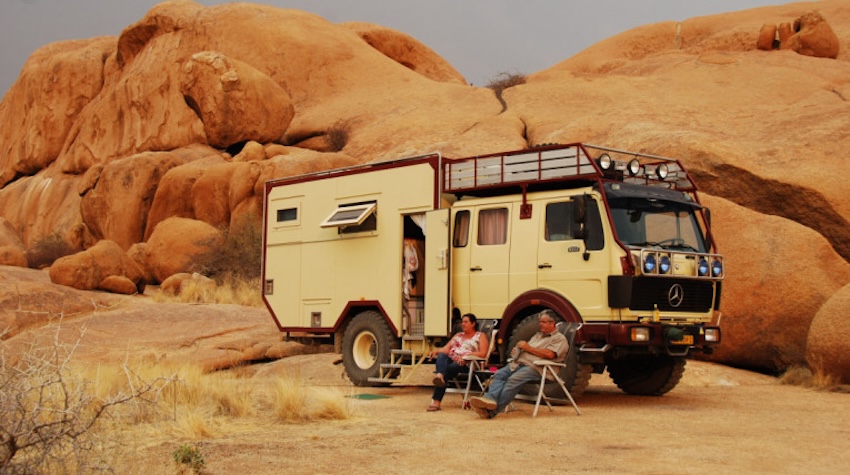
TRAVELING BY CAMPERVAN FOR THE FIRST TIME? HERE’S WHAT YOU SHOULD KNOW BEFORE YOU GO
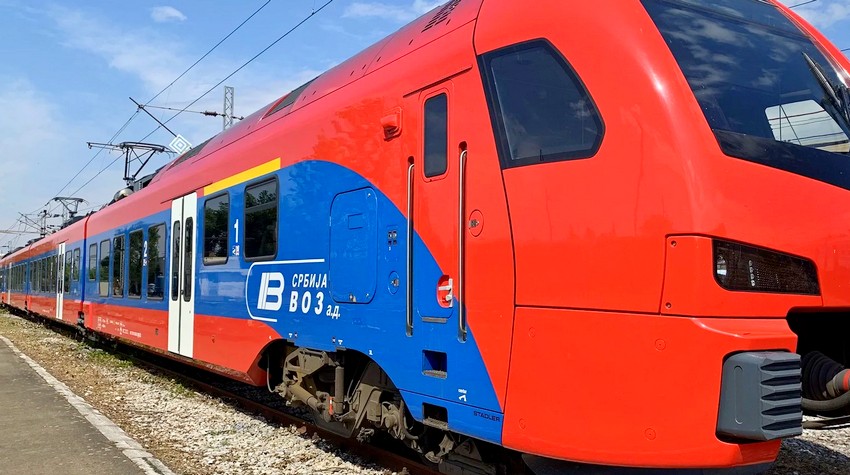
NEW RAIL LINK BETWEEN REPUBLIKA SRPSKA AND SERBIA: DAILY TRAIN SERVICE FROM ZVORNIK TO BELGRADE
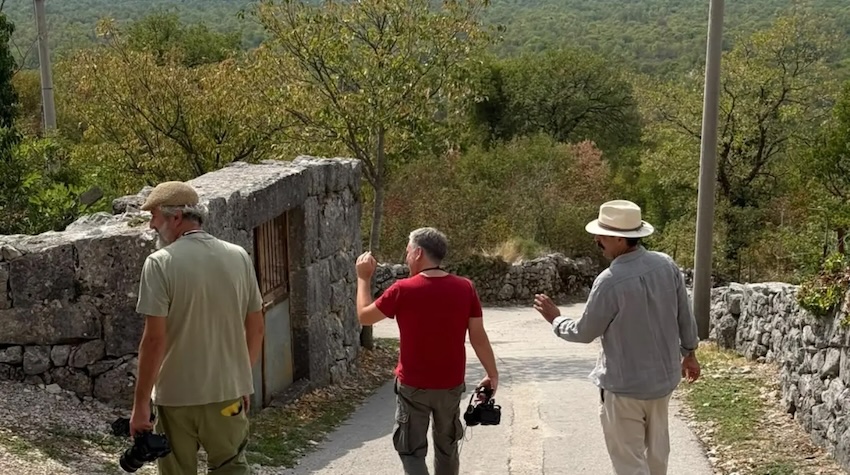
‘DRŽAVNI POSAO’ CREW FILMS NEW PROJECT IN TREBINJE

SEE SRPSKA RECEIVES CHARTER FROM BANJA LUKA TOURIST ORGANIZATION

GALIJA TO CELEBRATE MAJOR ANNIVERSARY IN BANJA LUKA
SEE SRPSKA RECEIVES CHARTER FROM BANJA LUKA TOURIST ORGANIZATION
NEW RAIL LINK BETWEEN REPUBLIKA SRPSKA AND SERBIA: DAILY TRAIN SERVICE FROM ZVORNIK TO BELGRADE

BANJA LUKA BOOK FAIR 2026 OPENS TODAY
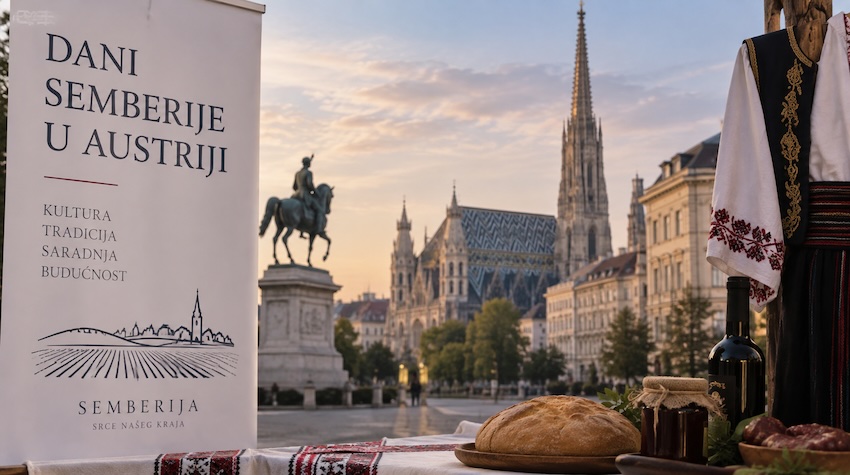
DAYS OF SEMBERIJA IN AUSTRIA: CULTURE, TRADITION AND LOCAL PRODUCTS PRESENTED TO AUSTRIAN AUDIENCES
FROM EUROPEAN STAGES TO HER HOMETOWN: JOVANA RALJIĆ BRINGS VIVALDI TO BANJALUKA


 The situation at the border crossings