THESE ARE THE PERFECT PLACES FOR A SEPTEMBER HOLIDAY IN GREECE
While most tourists rush to book their summer holidays for July and August as early as January, experienced travellers who know Greece well often wait until September.
And this is not a compromise or a consolation
prize after the peak season. Quite the opposite: September can offer a more
relaxed and enjoyable version of Greece, with warm seas, milder temperatures,
fewer crowds and, in many cases, significantly lower prices.
As the pressure of mass tourism begins to
ease, accommodation and travel prices can drop considerably, while the sea
remains at an ideal temperature for swimming.
Panos, the founder of the travel website Greek
Trip Planner and a native of Athens, describes September as an “insider month”
in Greece. Most people plan their holidays during winter and automatically
choose the middle of summer, without considering what September has to offer.
And what it offers is plenty: warmer seawater,
more comfortable temperatures, quieter beaches and a more relaxed atmosphere as
locals emerge from the intense pressure of the peak tourist season.
The first part of September can still feel
like high summer, as school holidays in some European countries continue into
the month. But after September 11, Greece enters what many travellers consider
the “sweet spot” — the perfect balance between summer weather, fewer crowds and
lower prices.
By the end of the month, an even more
authentic and peaceful Greece emerges. Some ferry routes become less frequent
and certain clubs begin to close, but visitors gain something increasingly
valuable: tranquillity, local life, autumn produce and the atmosphere of the
grape harvest.
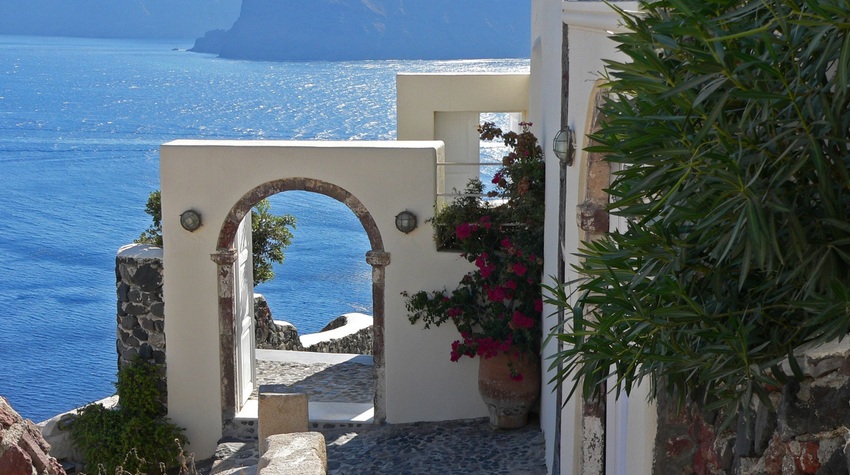
SANTORINI: ROMANCE WITHOUT THE CROWDS
Everyone knows what Santorini looks like in
August. The famous caldera is packed with visitors, while the narrow streets of
Oia around sunset can resemble crowded metro corridors during rush hour.
September changes the experience completely.
The spectacular landscape and volcanic scenery
remain exactly the same, but the crowds become much more manageable. Visitors
can take photographs without constantly waiting for a gap in the crowd, find a
table at restaurants overlooking the volcano more easily and experience the
island's famous charm at a slower pace.
September also coincides with the grape
harvest, including the Assyrtiko variety, making visits to Santorini's wineries
particularly interesting as travellers can see the winemaking process in
action.
MYKONOS: LUXURY WITHOUT THE PEAK-SEASON CHAOS
Mykonos retains much of its famous summer
infrastructure in September. Luxury restaurants and renowned beach clubs around
Psarou and Platis Gialos continue to operate, while the peak-season celebrity
crowds gradually disappear.
Visitors can stroll through Little Venice
without constantly being surrounded by thousands of tourists.
The famous Meltemi winds also begin to weaken,
making northern beaches such as Agios Sostis and Panormos calmer and more
attractive for swimming and relaxation.
CRETE: A LONG SUMMER AND WARM SEA
Crete offers one of the longest beach seasons
in the Aegean.
Along the southern coast, around areas such as
Elafonisi and Matala, the sea remains pleasantly warm well into the autumn. In
September, daytime temperatures are generally around 27 to 28 degrees Celsius,
creating excellent conditions for both swimming and exploring the island.
The famous pink sands of Elafonisi are far
less crowded than during the height of summer, while hiking through the Samaria
Gorge becomes more comfortable as mornings are cooler.
NAXOS AND PAROS: PHOTOGRAPHY AND AUTHENTIC
ISLAND LIFE
The Cycladic islands of Naxos and Paros take
on a special atmosphere in September.
The lower, golden light creates excellent
conditions for photographing traditional whitewashed houses against the
turquoise sea. On Paros, windsurfing conditions around Santa Maria Beach can
remain very good.
Naxos, meanwhile, begins to recover its
authentic rhythm. Mountain villages such as Halki and Apeiranthos become
quieter, allowing visitors to experience local life more naturally.
Tavernas also benefit from the arrival of
autumn produce, adding seasonal flavours to traditional Greek cuisine.
MILOS: SPECTACULAR VOLCANIC BEACHES WITHOUT
THE CROWDS
Milos is famous for its dramatic white
volcanic formations at Sarakiniko and the spectacular hidden coves of Kleftiko,
accessible by boat.
During August, these locations can become
extremely busy. In September, however, many of them can feel almost private.
Boat and catamaran excursions continue to
operate, the sea remains exceptionally warm and visitors have a much better
chance of enjoying Milos' extraordinary scenery without dozens of other tourists
appearing in every photograph.
RHODES: SUMMER THAT LASTS WELL INTO AUTUMN
Rhodes, in the Dodecanese, is renowned for its
exceptionally sunny climate and long summer season.
September feels like a continuation of summer,
with temperatures frequently reaching 28 to 30 degrees Celsius.
Because Rhodes lies farther south, its tourism
season is somewhat less dependent on the timing of school holidays in northern
Europe. While the decline in visitor numbers may therefore be more gradual,
beaches such as Tsambika, Lindos and Anthony Quinn Bay are generally much more
pleasant once the peak summer crowds begin to disappear.
ATHENS: THE PERFECT TIME TO EXPLORE THE
CAPITAL
Visiting Athens in July and August, when
temperatures can climb towards 38 degrees Celsius, can make sightseeing
exhausting.
In September, temperatures generally fall to
around 29 to 30 degrees, making visits to the Acropolis and Parthenon
considerably more comfortable.
Demand for major attractions also begins to
ease, allowing visitors to plan their sightseeing with less pressure than
during the height of summer.
Athens also regains its normal rhythm as
residents return from their holidays. Rooftop bars, cafés and restaurants
become filled with local life, creating a genuine urban atmosphere rather than
the predominantly tourist-oriented environment of the peak season.
For travellers looking for warm weather without extreme heat, beautiful beaches without overwhelming crowds and a more authentic experience, September may be one of the best times of the year to discover Greece.

Join our
Viber Community

FIVE AUTUMN ACTIVITIES FOR THE WHOLE FAMILY

GRADIŠKA INNOVATOR RECEIVES OFFICIAL SUPPORT FOR INNOVATIVE DIGITAL PROJECT

BANJA LUKA’S YOUNGEST RESIDENTS SHOW THAT KINDNESS HAS NO AGE
“ANCHOR AND SAILS IN LOVE”: NENAD GUGL ON THE POWER OF LOVE AND THE MEANING OF LIFE
.jpg)
WHAT IS BEING BUILT IN SUTJESKA NATIONAL PARK?
GAT NEAR GACKO EMERGES AS A NEW TOURIST ATTRACTION: NEW TRAILS, VIEWPOINTS AND REST AREAS
GRADIŠKA INNOVATOR RECEIVES OFFICIAL SUPPORT FOR INNOVATIVE DIGITAL PROJECT
WHAT IS BEING BUILT IN SUTJESKA NATIONAL PARK?

EVERYONE IS INVITED: CHARITY HIKE ON KOZARA MOUNTAIN IN SUPPORT OF JELENA
BANJA LUKA’S YOUNGEST RESIDENTS SHOW THAT KINDNESS HAS NO AGE


 The situation at the border crossings