WILL ZVORNIK’S MEDIEVAL ĐURĐEV GRAD FORTRESS GET A NEW LEASE OF LIFE?
A new initiative could open the way for the preservation and future revitalisation of Đurđev Grad, the medieval fortress overlooking the city of Zvornik, as experts from several Belgrade-based institutions have visited the site to explore possibilities for its future use.
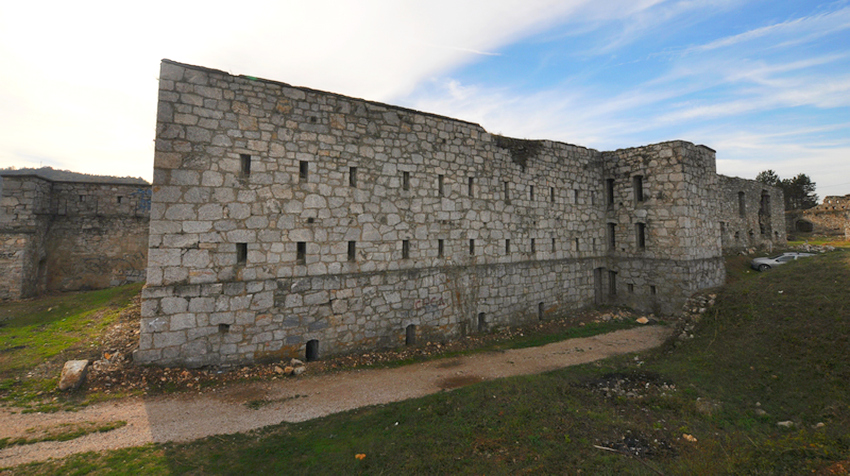
Representatives of the Faculty of
Architecture, the Archaeological Institute and the Institute of Molecular
Genetics and Genetic Engineering in Belgrade toured the historic fortress to
assess its architectural features and natural surroundings, as well as
potential options for giving the site a new purpose.
According to the Zvornik City Administration,
the visit was part of a cooperation initiative focused on researching the
material elements and natural layers of this protected cultural heritage site.
STUDENTS TO EXPLORE FUTURE USE OF THE FORTRESS
The Faculty of Architecture has included the
Zvornik fortress in its master's degree programme, as part of the Studio
Project course.
Through research and architectural design
work, students will examine possibilities for preserving the fortress and
developing appropriate ways of using the historic complex in the future.
The initiative is expected to bring new
professional perspectives on how this valuable heritage site could be protected
while becoming a more accessible and attractive destination.
ARCHAEOLOGICAL SURVEY TO PROVIDE THE BASIS FOR CONSERVATION
Representatives of the Archaeological
Institute also familiarised themselves with the terrain ahead of a planned photogrammetric
survey, which will be carried out once the vegetation has receded.
The survey will provide detailed visual and
spatial documentation of the site, followed by the preparation of an expert
report on its current condition. This document will serve as an important
professional foundation for developing the main conservation project.
The cooperation between the City of Zvornik,
the Faculty of Architecture and the two Belgrade-based institutes is being
carried out with the approval of the Republic Institute for the Protection of
Cultural, Historical and Natural Heritage of Republika Srpska.
A FORTRESS WITH MORE THAN SIX CENTURIES OF HISTORY
Đurđev Grad is a unique medieval fortification
consisting of three sections – the Lower, Middle and Upper Town – covering a
total area of approximately 49,000 square metres.
Part of the complex occupies a steep hillside,
while the rest extends across a plateau on Mlađevac Hill, overlooking Zvornik.
According to historical sources, the fortress
was built in the early 14th century. In 1433, it was captured by Serbian ruler
Đurađ Branković or presented to him as a gift by the Hungarian king. The
fortress subsequently became associated with his name.
It is also known as Jerina's Town, reflecting
local traditions that attribute its construction to Đurađ Branković's wife,
Irene, popularly known as the Cursed Jerina.
Irene Branković was born into the Greek
Kantakouzenos family, and her original name was Irene Kantakouzene. She married
Đurađ Branković on 26 December 1414. He ruled Serbia from 1427 to 1456.
Today, the planned research and cooperation
with academic and scientific inst itutions could represent an important step
towards safeguarding Đurđev Grad and exploring new opportunities for its
cultural, historical and tourism potential.

Join our
Viber Community
WILL ZVORNIK’S MEDIEVAL ĐURĐEV GRAD FORTRESS GET A NEW LEASE OF LIFE?
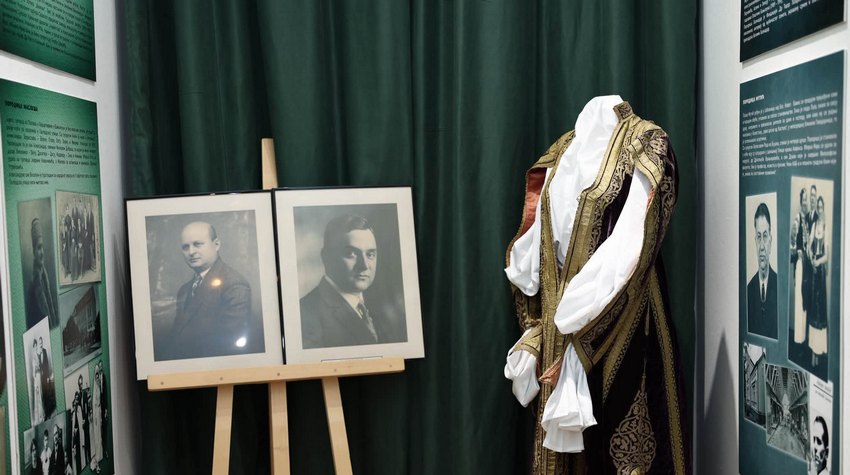
"CORRIDOR OF MEMORIES" - BANJALUKA’S HISTORY TOLD THROUGH 60 FAMILIES AND INDIVIDUALS
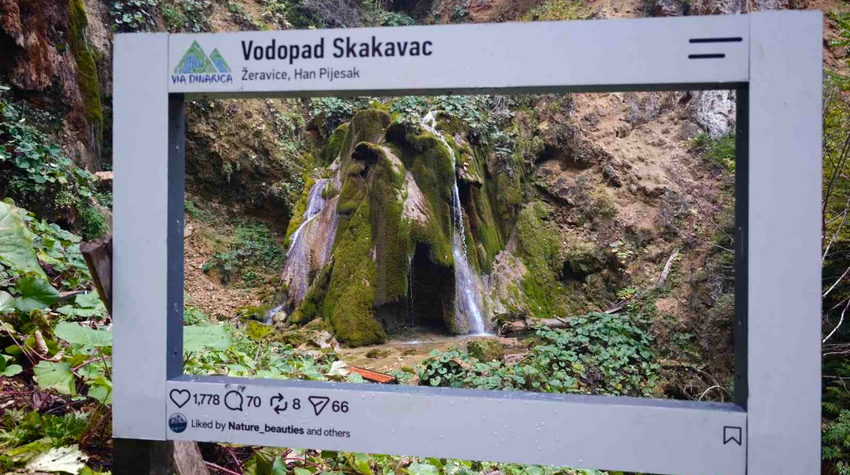
HAN PIJESAK EXPANDS ITS TOURISM OFFER WITH FOUR NEW HIKING TRAILS

LAST CHANCE TO USE TOURISM VOUCHERS: EXPLORE REPUBLIKA SRPSKA FOR 100 BAM LESS

BOJAN MILJKOVIĆ SHINES AT THE GRAND FINAL WITH TWO JUNIOR VICTORIES
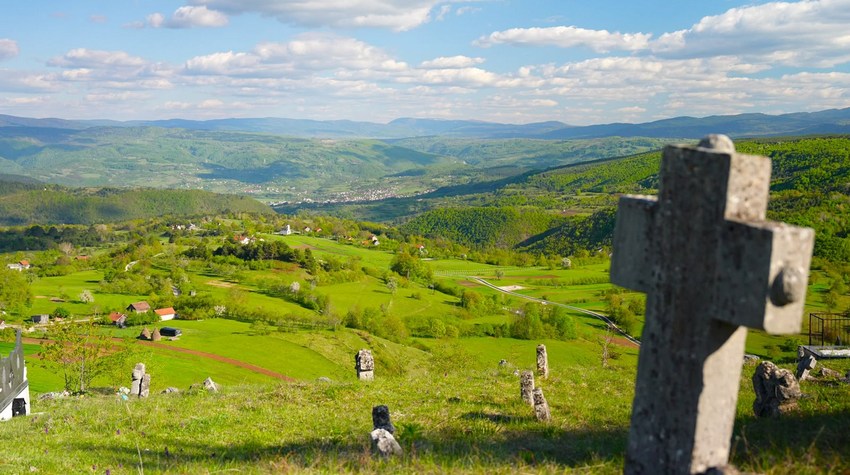
DOCUMENTARY FILM ABOUT A KRAJINA VILLAGE ITS PEOPLE REFUSE TO FORGET COMPLETES FILMING
TREBINJE THROUGH 19 ARTISTIC POSTCARDS: A CITY TO BE EXPERIENCED, NOT JUST SEEN

EXPLORE GRADIŠKA ON TWO WHEELS: NEW E-BIKE RENTAL SERVICE AT CAMP KRUŠKIK

ONE OF THE WORLD’S MOST PRIZED FUNGI GROWS IN THE FORESTS NEAR BANJALUKA
BOJAN MILJKOVIĆ SHINES AT THE GRAND FINAL WITH TWO JUNIOR VICTORIES


 The situation at the border crossings