"CORRIDOR OF MEMORIES" - BANJALUKA’S HISTORY TOLD THROUGH 60 FAMILIES AND INDIVIDUALS
An exhibition titled “Corridor of Memories”, created by Nadežda Lazarević Kovačević and Dragan Kovačević, has opened at the Vrbas Banovina Salon in Banjaluka, offering visitors an insight into an important chapter of the city’s history through stories of families and individuals.
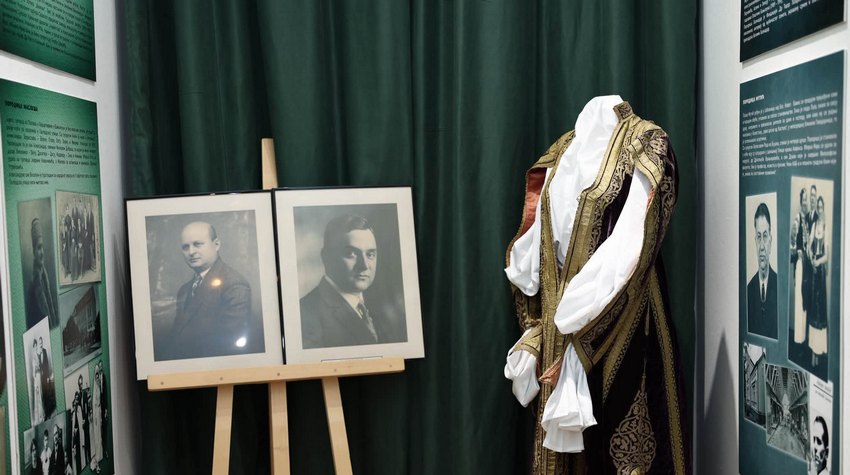
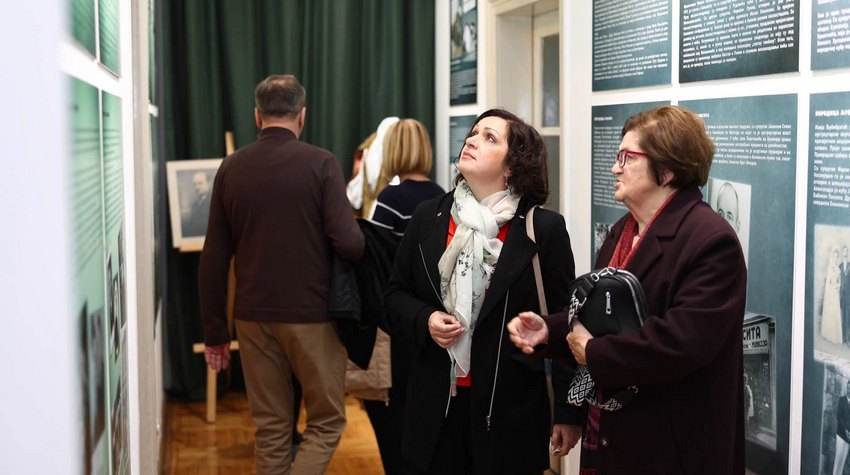
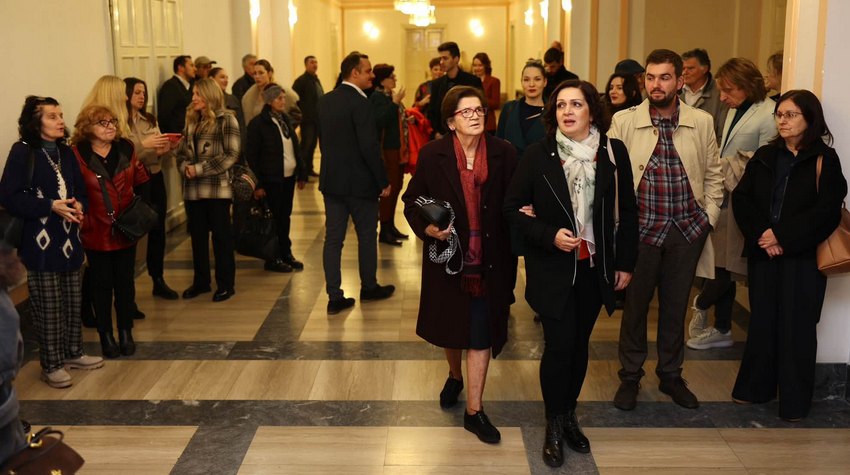
The
exhibition was organised as part of the celebrations marking the 94th
anniversary of the establishment and work of Banski Dvor, one of Banjaluka’s
most recognisable cultural and historical landmarks.
One of
the authors, Dragan Kovačević, spoke about the exhibition and its significance,
while the official opening was performed by Banski Dvor Director Mladen
Matović.
STORIES OF 60 FAMILIES AND INDIVIDUALS
Through
stories of around 60 families and individuals who left an indelible mark on the
history of the city through their lives, work and contributions, the exhibition
introduces visitors to people who played an important role in shaping
Banjaluka.
Their
personal stories offer a glimpse into the lives, achievements and legacy of
those who helped define the city's social and cultural identity.
A LOOK BACK AT THE VRBAS BANOVINA PERIOD
The
exhibition takes visitors back to the period between the two World Wars, with
particular emphasis on the era of the Vrbas Banovina, when Banjaluka underwent
significant urban, social and cultural development.
The
project was organised in cooperation with the Dr Todor Lazarević, Ban of Vrbas
Banovina Foundation and represents an addition to the permanent exhibition
“Vrbas Banovina: Outlines, Traces and Echoes”.
“Corridor
of Memories” is also an invitation to preserve the memory of the people who
helped shape Banjaluka and its identity, leaving behind a legacy that remains
an important part of the city's historical and cultural heritage.

Join our
Viber Community
WILL ZVORNIK’S MEDIEVAL ĐURĐEV GRAD FORTRESS GET A NEW LEASE OF LIFE?
"CORRIDOR OF MEMORIES" - BANJALUKA’S HISTORY TOLD THROUGH 60 FAMILIES AND INDIVIDUALS
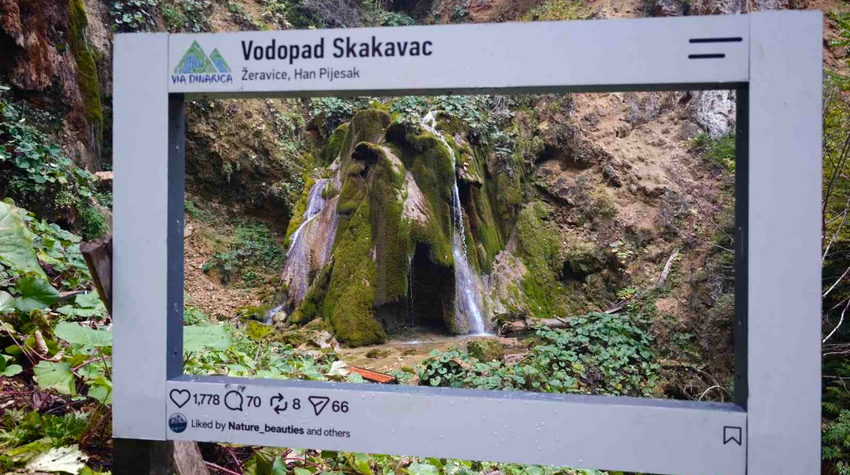
HAN PIJESAK EXPANDS ITS TOURISM OFFER WITH FOUR NEW HIKING TRAILS

LAST CHANCE TO USE TOURISM VOUCHERS: EXPLORE REPUBLIKA SRPSKA FOR 100 BAM LESS

BOJAN MILJKOVIĆ SHINES AT THE GRAND FINAL WITH TWO JUNIOR VICTORIES
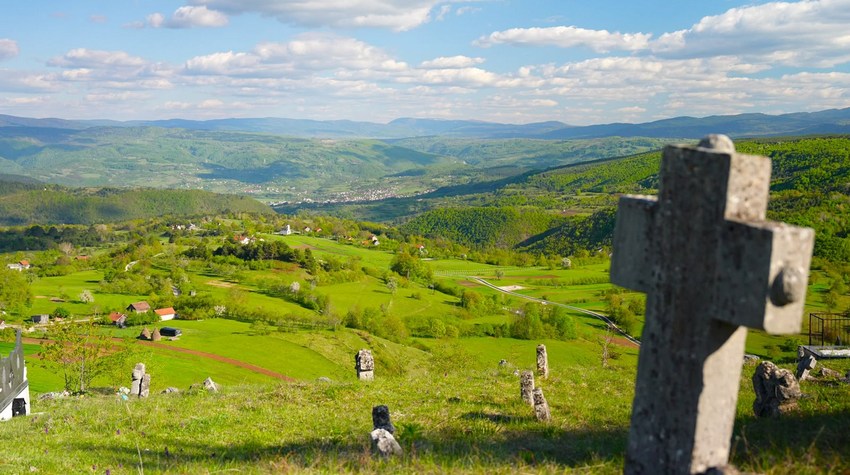
DOCUMENTARY FILM ABOUT A KRAJINA VILLAGE ITS PEOPLE REFUSE TO FORGET COMPLETES FILMING
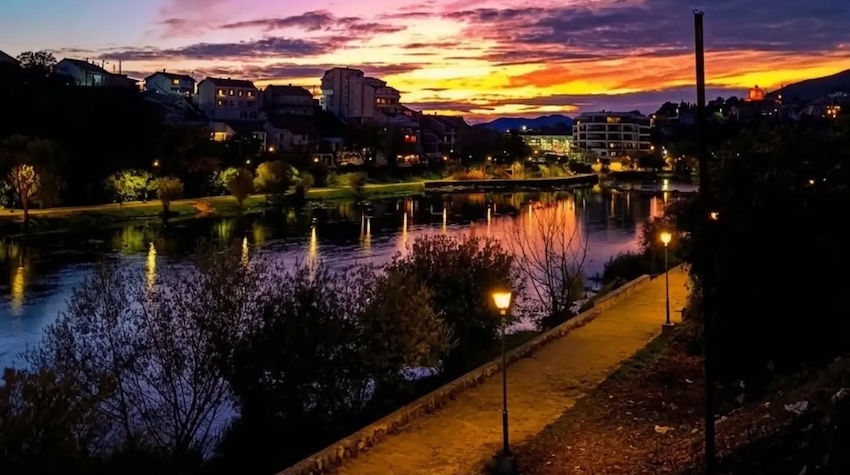
TREBINJE THROUGH 19 ARTISTIC POSTCARDS: A CITY TO BE EXPERIENCED, NOT JUST SEEN

EXPLORE GRADIŠKA ON TWO WHEELS: NEW E-BIKE RENTAL SERVICE AT CAMP KRUŠKIK

ONE OF THE WORLD’S MOST PRIZED FUNGI GROWS IN THE FORESTS NEAR BANJALUKA
BOJAN MILJKOVIĆ SHINES AT THE GRAND FINAL WITH TWO JUNIOR VICTORIES


 The situation at the border crossings