THIS YEAR, THE CLOCKS WILL BE TURNED BACK EARLIER THAN IN YEARS PAST
The switch to winter time will bring an interesting change this year, as clocks will be turned back earlier than in previous years.

In the night between Saturday and Sunday, clocks will be
turned back by one hour, giving people an additional hour of sleep.
At exactly 3:00 a.m., the clocks will be turned back to 2:00
a.m., marking the return to standard winter time. However, alongside the extra
hour of sleep comes a change that will be much more noticeable during the day –
darkness will arrive earlier and evenings will become shorter.
THE EARLIEST CLOCK CHANGE IN 11 YEARS
Winter time will begin in the night between Saturday,
October 24, and Sunday, October 25, 2026. This will be the earliest date for
turning the clocks back since 2014
At first glance, a difference of just a few days may not
seem significant. However, the change is quickly noticeable in everyday life.
Mornings will be brighter, while darkness will descend
during the late afternoon.
For early risers, this means more daylight at the beginning
of the day. On the other hand, after work, people will find themselves
switching on the lights much earlier – a change that often makes the arrival of
autumn particularly noticeable.
CLOCK CHANGE DATES KNOWN THROUGH 2031
The clock change continues to take place twice a year. In
spring, clocks are moved forward, while in autumn they are moved back,
traditionally on the last Sunday of March and October.
For now, there is no final decision to abolish the system,
meaning clocks are expected to continue changing in the coming years.
The European Union has already published the dates for the
transition between summer and winter time through 2031, according to Krstarica.
WILL THE CLOCK CHANGE EVER BE ABOLISHED?
The abolition of seasonal clock changes has been discussed
for years, but no final change has been implemented.
One of the main reasons the issue continues to attract
attention is the impact of the time change on people's daily routines and sleep
patterns.
Some people need several days to adjust to the new schedule,
while others barely notice the change. The difference in daylight is
particularly obvious, as darkness arrives considerably earlier after the
October clock change.
THE CURRENT SYSTEM REMAINS IN PLACE
For the time being, the existing system remains in place
across the region.
Clocks are moved forward in March when daylight saving time
begins, and moved back in October when the region returns to standard winter
time.
So, this autumn, the clocks will go back one hour – and the
night will officially become one hour longer.

Join our
Viber Community

RICH NOVEMBER PROGRAMME AT BANJA LUKA’S JAZAVAC CITY THEATRE

KSENIJA RADOJA TRADES CITY LIFE FOR THE CLASSROOM IN GLAMOČ
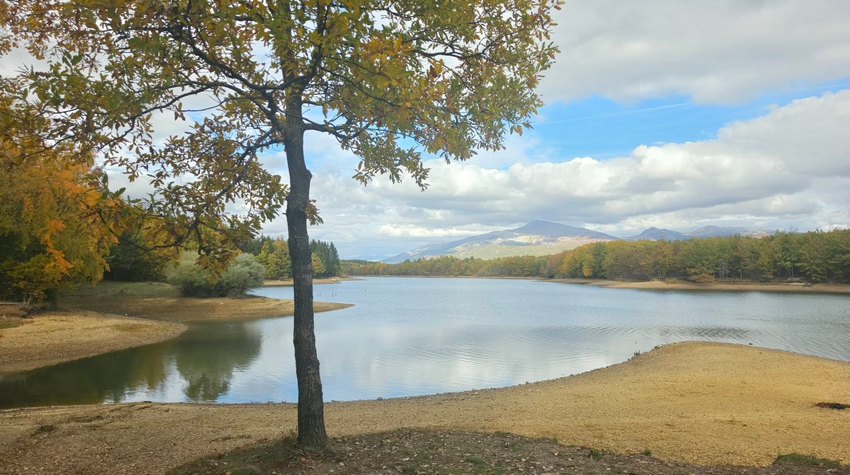
AUTUMN COLOURS OF LAKE ALAGOVAC NEAR NEVESINJE

NEW SERVICE AT THE BiH-CROATIA BORDER FROM NOVEMBER 1
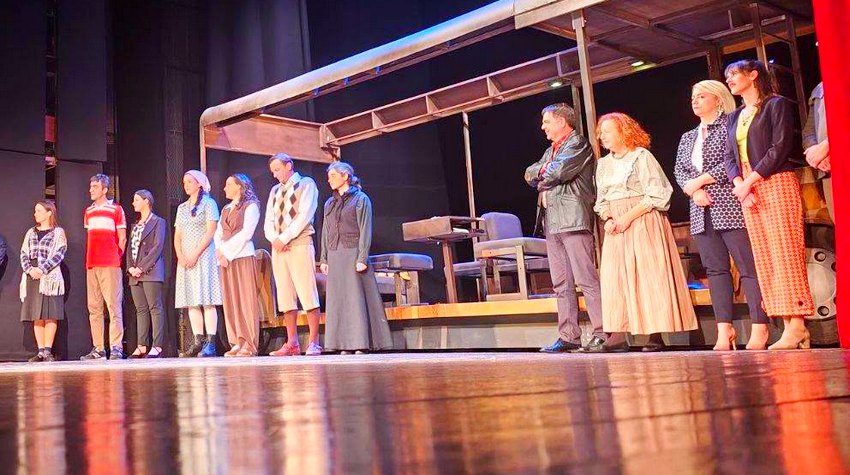
NATIONAL THEATRE OF REPUBLIKA SRPSKA WINS TWO AWARDS AT "DAYS OF ZORAN RADMILOVIĆ"

FROM THE FIELDS OF GLAMOČ TO TABLES ACROSS THE REGION: A POTATO WITH A NAME OF ITS OWN
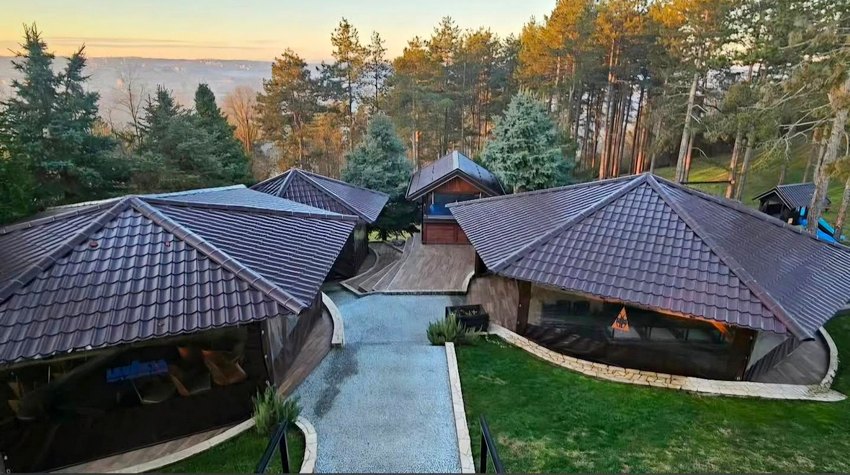
WHERE TO GO FOR A MINI BREAK FOR TWO FOR JUST BAM 69

3 GREAT WEEKEND GETAWAY IDEAS IN REPUBLIC OF SRPSKA
NEW SERVICE AT THE BiH-CROATIA BORDER FROM NOVEMBER 1

AUTUMN IN ITS MOST BEAUTIFUL COLORS THROUGH THE LENS OF TOMAS DAMJANOVIĆ


 The situation at the border crossings