“BOSNIAN CARPET” ON THE PATH TO UNESCO INTANGIBLE HERITAGE LIST
The “Bosnian carpet” has been placed on the Preliminary Open List of Intangible Cultural and Historical Heritage of the Federation of Bosnia and Herzegovina, as well as the state-level list of Bosnia and Herzegovina, following an initiative by the Museum of Sarajevo.
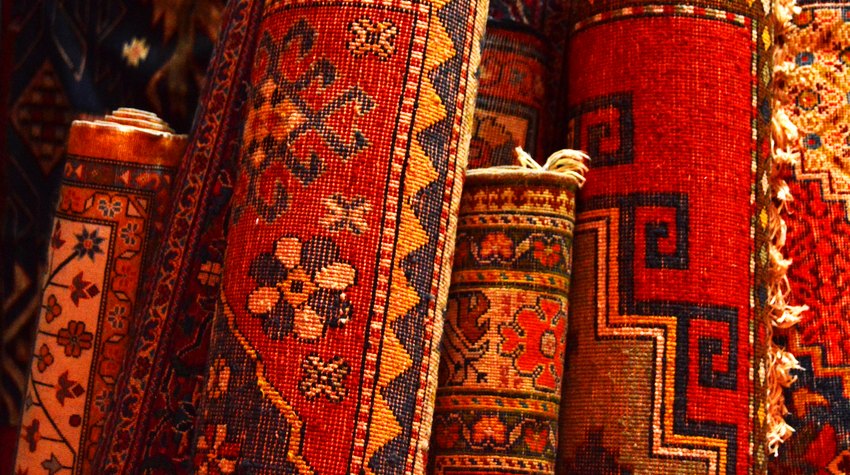
In
partnership with the Travnik Homeland Museum and researcher Amila Smajović, a
comprehensive application with full documentation has been submitted to the
Federal Ministry of Culture and Sport.
Founded
in 1949, the Museum of Sarajevo has been dedicated to collecting, studying,
preserving, publishing, and presenting the social, economic, and cultural
history of Sarajevo from ancient times to the present day. Within its
ethnological collection, as well as in its depots such as Svrzo’s House and
Despić House, the museum holds a significant collection of Bosnian carpets that
have been documented, inventoried, and professionally described, accompanied by
photographs.
This
positions the Museum of Sarajevo among the leading museum institutions in
Bosnia and Herzegovina that preserve and professionally interpret the full
range of ornamentation, symbolism, materials, and other distinctive features of
the Bosnian carpet.
One of the Most Authentic Forms of Expression
Inclusion
on the list ensures institutional recognition and protection of the Bosnian
carpet as a cultural asset. It represents one of the most authentic forms of
material and spiritual creativity in Bosnia and Herzegovina.
As a
textile form that combines functional, aesthetic, and symbolic dimensions, the
Bosnian carpet has not only served everyday practical purposes but has also
carried collective memory, family identity, and the cultural continuity of
communities.
The
Museum of Sarajevo, together with its partners and relevant state institutions,
will continue working toward meeting the criteria required for the inclusion of
the “Bosnian carpet” on the UNESCO Representative List of the Intangible
Cultural Heritage of Humanity, the museum announced.

Join our
Viber Community
DAYS OF SEMBERIJA IN AUSTRIA: CULTURE, TRADITION AND LOCAL PRODUCTS PRESENTED TO AUSTRIAN AUDIENCES
BANJA LUKA BOOK FAIR 2026 OPENS TODAY
THE PEOPLE PROTECTED THE SACRED ICON, BELIEVING IT WAS PROTECTING THEM: THE STORY OF THE ČAJNIČE KRASNICA

APPEAL FOR HELP: BLOOD DONORS URGENTLY NEEDED FOR NATAŠA ĆEJIĆ IN BANJA LUKA
NEW GENERATION OF STUDENT THEATRE MEMBERS TAKES THE STAGE
APPEAL FOR HELP: BLOOD DONORS URGENTLY NEEDED FOR NATAŠA ĆEJIĆ IN BANJA LUKA

DEJAN KOKANOVIĆ CONQUERS 336 KM THROUGH THE ITALIAN ALPS

OKTOBERFEST KICKS OFF IN MUNICH, EXPECTING 6.5 MILLION VISITORS

AUTUMN FRUITS AND HONEY FESTIVAL COMES TO BANJALUKA
SPANISH TRAVEL WRITER DISCOVERS THE GREEN SIDE OF BANJA LUKA

 The situation at the border crossings