ANALYSIS: KEY TOURISM TRENDS SHAPING TRAVEL IN 2026
The global tourism industry is entering a year defined by rapid technological innovation, shifting traveler habits, and entirely new ways of creating travel experiences.
According
to the Amadeus Travel Trends 2026 report, six major mega-trends will shape how
people travel, plan their journeys, and choose destinations in the coming year.
These trends point to the rise of a new generation of global travelers – more
personalized, curious, technologically savvy, and emotionally driven.
PET TRAVEL BECOMES MAINSTREAM
Traveling
with pets is no longer a niche trend but a fast-growing market. An increasing
number of airlines, hotels, railway operators, and car rental companies are
adapting their services to travelers who want to bring their dogs and cats
along.
New
routes, permits allowing larger dogs in passenger cabins, and specialized
pet-friendly hotel rooms suggest that by 2026, pets will be considered equal
travel companions. For destinations and hotels, this represents a new demand
segment, while for travelers it means simpler and more stress-free vacation
planning with their beloved animals.
HYBRID TRAVEL PLANNING WITH AI
Travel
planning in 2026 will be hybrid, combining human intuition with advanced
artificial intelligence tools. Platforms that integrate AI-generated
recommendations, user reviews, video content, and traditional travel guides are
becoming increasingly popular, creating a new way of exploring destinations.
Travelers
will use AI to find ideal travel dates, hidden locations, better prices, and
personalized itineraries, while final decisions will still be influenced by
real experiences, personal preferences, and trusted recommendations, according
to TU Magazin.
NEW AIRCRAFT, NEW DESTINATIONS
The
extended range of next-generation aircraft such as the Airbus A321XLR enables
direct flights between cities that were previously unconnected. This opens the
door for the development of lesser-known destinations outside major global
hubs, offering authentic experiences and lower travel costs.
For
European travelers, especially those from the Western Balkans, this means more
affordable direct flights and faster connections to long-haul destinations.
POP CULTURE AS A TRAVEL DRIVER
Film
locations, popular TV series, gaming communities, music festivals, and pop
culture phenomena are fueling a new type of tourism. More destinations are
creating experiences inspired by famous franchises, from themed routes to
specialized hostels and museums.
In
2026, travelers will increasingly choose destinations that allow emotional
connections with their favorite fictional universes, creating enormous
potential for creative tourism marketing.
THE END OF STANDARD HOTEL ROOMS
Standardized
hotel rooms are becoming a thing of the past. Accommodation in 2026 will be
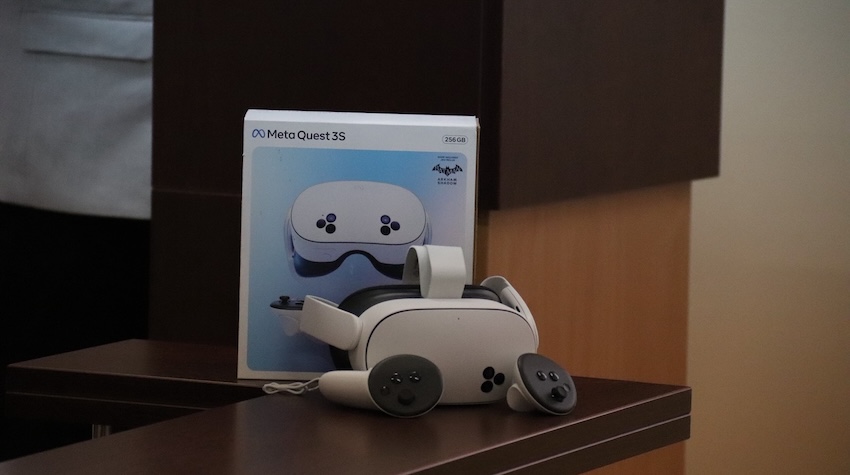
modular and customizable, allowing guests to choose exactly what they want –
from fitness-equipped rooms and rain showers to tech-ready workspaces, advanced
audio systems, VR zones, and pet-friendly amenities.
Hotels
are adopting advanced reservation systems that sell experiences rather than
just rooms, significantly enhancing guest satisfaction and overall stay
quality.
FUTURE CITIES AS NEW ATTRACTIONS
“Future
cities,” innovation hubs, technology parks, and development campuses are
emerging as attractions in their own right. Travelers are increasingly
interested in cities leading the way in robotics, sustainable energy,
artificial intelligence, and smart infrastructure.
This
trend is particularly appealing to younger generations and business travelers seeking
to combine education, work, and tourism while experiencing what the world may
look like a decade from now.
WHAT DOES THIS MEAN FOR TRAVELERS FROM THE BALKANS?
For
travelers from the Balkans, 2026 promises a wider and more affordable range of
options. Thanks to new direct routes and the development of secondary airports,
more budget-friendly flights to European and Middle Eastern destinations will
become available.
Traveling
with pets will be easier than ever as airlines and hotels expand their pet-friendly
services. At the same time, AI-powered personalization will enable faster and
more efficient planning, offering itineraries tailored to each traveler’s
budget, preferences, and travel style.

Join our
Viber Community

THE PEOPLE PROTECTED THE SACRED ICON, BELIEVING IT WAS PROTECTING THEM: THE STORY OF THE ČAJNIČE KRASNICA

APPEAL FOR HELP: BLOOD DONORS URGENTLY NEEDED FOR NATAŠA ĆEJIĆ IN BANJA LUKA

NEW GENERATION OF STUDENT THEATRE MEMBERS TAKES THE STAGE

AUTUMN FRUITS AND HONEY FESTIVAL COMES TO BANJALUKA

DEJAN KOKANOVIĆ CONQUERS 336 KM THROUGH THE ITALIAN ALPS
DEJAN KOKANOVIĆ CONQUERS 336 KM THROUGH THE ITALIAN ALPS
DERVENTA BRINGS ITS PAST TO LIFE: 3D FORTRESS AND VIRTUAL TOUR OF THE CITY

OKTOBERFEST KICKS OFF IN MUNICH, EXPECTING 6.5 MILLION VISITORS
AUTUMN FRUITS AND HONEY FESTIVAL COMES TO BANJALUKA

SPANISH TRAVEL WRITER DISCOVERS THE GREEN SIDE OF BANJA LUKA

 The situation at the border crossings