EASTER ISLAND: A MYSTERIOUS LAND OF STONE GIANTS IN THE PACIFIC
In the middle of the Pacific Ocean, thousands of kilometers from the nearest land, lies an island covered with ancient statues that no one can fully explain. Easter Island, also known as Rapa Nui, holds one of humanity’s greatest mysteries.

Easter Island is one of the most peculiar places on Earth, capturing attention ever since it was accidentally discovered on April 5, Easter Sunday, in 1722. This small piece of land is located nearly 4,000 kilometers from the South American coast and about 2,000 kilometers from the nearest Polynesian islands. This Chilean volcanic island, also called Rapa Nui, is most famous for its mystical stone statues known as moai.
The island was discovered by Dutch admiral Jacob Roggeveen, who wrote in his ship’s log that the islanders seemed less surprised by their visitors than his own crew and showed great curiosity toward the ships, as if they had never seen anything like them before. The crew, in turn, was astonished by the large statues facing the ocean, before which the natives would prostrate themselves at dawn. However, the islanders could not explain the meaning or origin of the statues.
The encounter ended in conflict, and the admiral soon left. Forty years later, Spanish ships arrived, and commander Don Felipe González y Haeda claimed the island for the Spanish crown, drawing one of the first maps of the island. In 1774, British explorer James Cook also landed on Easter Island to verify the tales of the statues. He confirmed the existence of the moai and described the island as a windy, treeless place inhabited by modest people living in reed huts.
Later investigations found that many of the statues had been toppled, and no clear explanation could be found as to how such massive structures were overturned. For centuries, the monolithic statues scattered across the island have puzzled researchers. Recent studies suggest that the moai may have served as markers pointing to sources of drinking water.
One theory proposes that the first settlers arrived around 500 AD from the Marquesas Islands, about 3,850 kilometers away. Over time, the islanders developed an independent culture from their Polynesian roots. It is believed that the inhabitants eventually cut down almost all the trees, placing Easter Island at risk of erosion that could ultimately wipe it off the map. Experts warn that thousands of trees need to be replanted to save the island.
Today, tourists from around the world come to Easter Island to witness the mystical statues firsthand. However, the island also offers other attractions, such as the ancient ceremonial village of Orongo in the southwest and the beautiful crater lake of Rano Kau.
Easter Island is also home to the world's most remote airport. Mataveri International Airport, located in the capital city of Hanga Roa, is over 3,759 kilometers from the nearest airport. Flights to Easter Island are available from Chile and Tahiti, usually taking less than six hours.
While some visitors wish they could stay forever, others say that four to five days are enough to explore this extraordinary gem in the heart of the ocean.

Join our
Viber Community
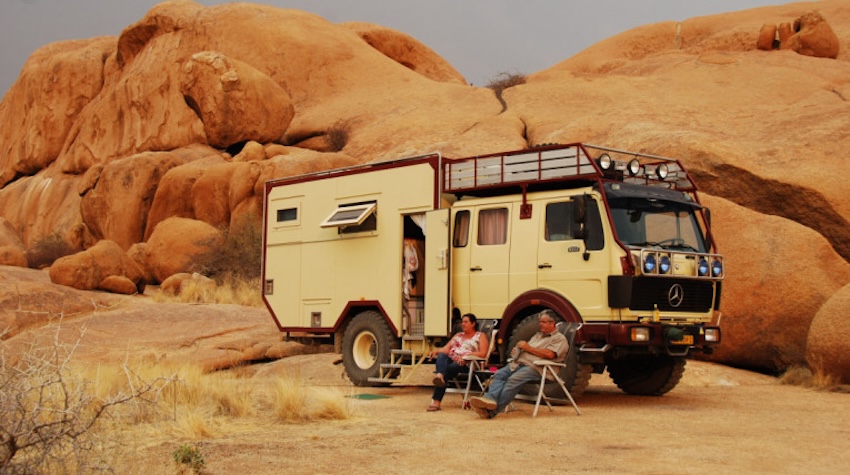
TRAVELING BY CAMPERVAN FOR THE FIRST TIME? HERE’S WHAT YOU SHOULD KNOW BEFORE YOU GO

NEW RAIL LINK BETWEEN REPUBLIKA SRPSKA AND SERBIA: DAILY TRAIN SERVICE FROM ZVORNIK TO BELGRADE
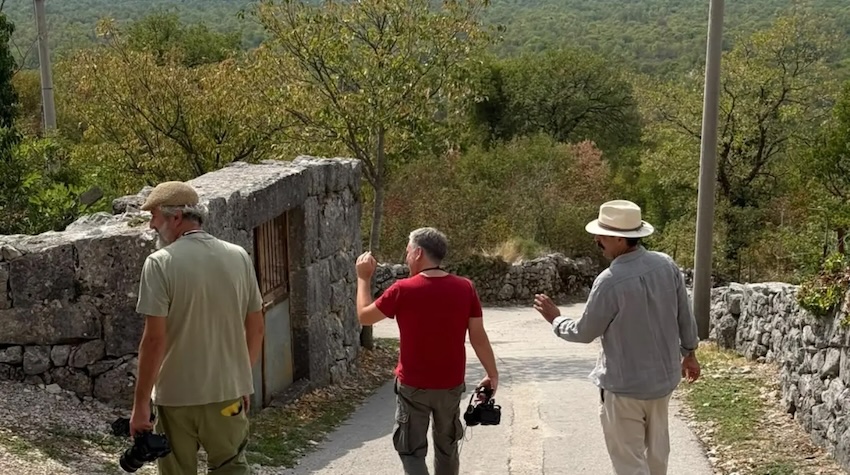
‘DRŽAVNI POSAO’ CREW FILMS NEW PROJECT IN TREBINJE

SEE SRPSKA RECEIVES CHARTER FROM BANJA LUKA TOURIST ORGANIZATION

GALIJA TO CELEBRATE MAJOR ANNIVERSARY IN BANJA LUKA
NEW RAIL LINK BETWEEN REPUBLIKA SRPSKA AND SERBIA: DAILY TRAIN SERVICE FROM ZVORNIK TO BELGRADE
SEE SRPSKA RECEIVES CHARTER FROM BANJA LUKA TOURIST ORGANIZATION

BANJA LUKA BOOK FAIR 2026 OPENS TODAY

DAYS OF SEMBERIJA IN AUSTRIA: CULTURE, TRADITION AND LOCAL PRODUCTS PRESENTED TO AUSTRIAN AUDIENCES

FROM EUROPEAN STAGES TO HER HOMETOWN: JOVANA RALJIĆ BRINGS VIVALDI TO BANJALUKA


 The situation at the border crossings