HOW TO CALCULATE YOUR IDEAL WEIGHT: WHAT DO HEIGHT, AGE AND WAIST SIZE TELL US?
Ideal body weight is not just a matter of appearance. It can also be one of the indicators considered when assessing overall health. However, the number on the scale does not tell the whole story, as body composition, fat distribution, age and lifestyle habits also play important roles.
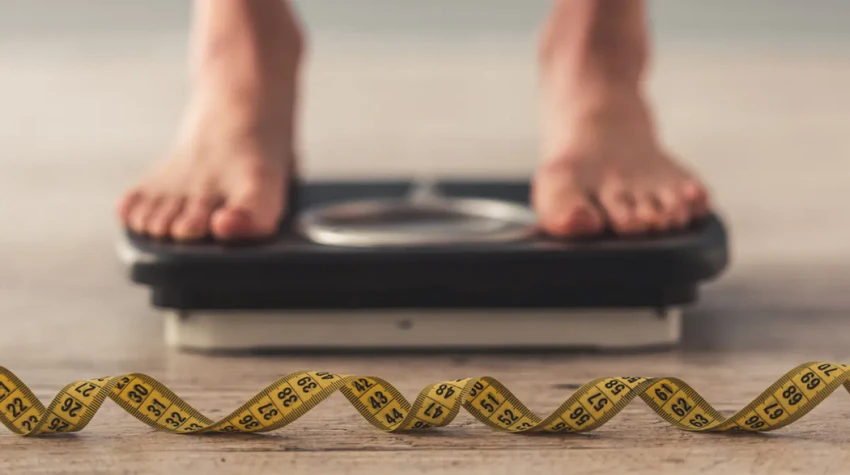
Body Mass Index (BMI) is one of the most widely used indicators for assessing body weight in relation to height. It is calculated by dividing weight in kilograms by height in metres squared.
For
adults, a BMI below 18.5 generally indicates underweight, while values between
25 and 29.9 indicate overweight. A BMI of 30 or higher falls within the obesity
range.
However,
BMI does not distinguish between muscle mass and body fat, nor does it account
for all individual characteristics. This is why other methods, including the
Creff formula, are sometimes used to estimate an individual's ideal body weight
based on height, age and an estimated body type.
It is
important to note that the Creff formula has not been scientifically
established as the most accurate method for determining ideal weight. Its
results should be treated as a rough guide rather than a definitive assessment
of health.
THREE BODY TYPES AND HOW TO CALCULATE YOUR ESTIMATED IDEAL WEIGHT
The
Creff formula uses three body-type categories, with different adjustment
factors for each.
AVERAGE BODY TYPE
Formula:
((height in centimetres − 100) + (age / 10)) × 0.9
For a
person who is 165 centimetres tall and 30 years old:
((165
− 100) + (30 / 10)) × 0.9 = 61.2 kilograms
LARGER BODY FRAME
Formula:
((height in centimetres − 100) + (age / 10)) × 0.9 × 1.1
For a
person who is 165 centimetres tall and 30 years old, the result is 67.32
kilograms.
SLIMMER BODY FRAME
Formula:
((height in centimetres − 100) + (age / 10)) × 0.9 × 0.9
For a
person who is 165 centimetres tall and 30 years old, the result is 55.08
kilograms.
These
figures are mathematical results obtained using the formula. They do not mean
that the calculated weight is necessarily ideal or appropriate for every
individual. A healthy weight range also depends on factors such as overall
health, muscle mass and lifestyle habits.
WAIST CIRCUMFERENCE: AN IMPORTANT INDICATOR OF HEALTH
In
addition to body weight, waist circumference can provide useful information
about the amount of fat stored around the abdomen.
One
simple guideline is the waist-to-height ratio. A waist circumference measuring
less than half a person's height is commonly used as an indicator of a lower
risk associated with abdominal obesity. However, this measurement alone cannot
provide a complete assessment of health.
Another
useful measure is the waist-to-hip ratio. To calculate it, divide your waist
circumference by your hip circumference.
Measure
your waist midway between the lowest rib and the top of the hip bone. Measure
your hips around their widest point.
According
to the World Health Organization (WHO), a waist-to-hip ratio above 0.90 for men
and 0.85 for women indicates an increased health risk associated with abdominal
fat distribution.
These
measurements can help identify potential health risks, but they should be
interpreted alongside other indicators and individual health factors.
HEALTHY HABITS MATTER MORE THAN THE NUMBER ON THE SCALE
Maintaining
a healthy body weight involves a balanced diet, regular physical activity,
sufficient sleep and other habits that support overall well-being.
Rather
than relying on a single formula or a specific number on the scale, it is
important to consider several indicators and take individual needs into
account.
If you are concerned about sudden changes in body weight or an increase in waist circumference, consulting a healthcare professional can help you assess potential risks and identify appropriate steps to protect your health.

Join our
Viber Community

NOVAKUŠA CAVE – A HIDDEN GEM OF EASTERN HERZEGOVINA
HOW TO CALCULATE YOUR IDEAL WEIGHT: WHAT DO HEIGHT, AGE AND WAIST SIZE TELL US?

LIDL'S FIRST STORES IN BOSNIA AND HERZEGOVINA EXPECTED TO OPEN IN MARCH 2027

WINTER OPENING HOURS IN BANJALUKA: HOW LATE CAN CAFÉS, RESTAURANTS AND NIGHTCLUBS STAY OPEN?

THE MINERAL WONDERS OF MALI GUBER: A UNIQUE SPRING IN SREBRENICA
YOUNG WOMAN FROM TREBINJE CREATES A HANDBAG BRAND INSPIRED BY HERZEGOVINA
LIDL'S FIRST STORES IN BOSNIA AND HERZEGOVINA EXPECTED TO OPEN IN MARCH 2027

REGIONALA WINE SALON DEBUTS IN BANJA LUKA

SKI RESORTS ACROSS BOSNIA AND HERZEGOVINA PREPARE FOR THE WINTER SEASON: WHEN WILL THE FIRST SNOWFLAKES ARRIVE?

MOBILE PHONES ON HOLD, FAMILY AT THE TABLE: A NEW TREND IN RESTAURANTS


 The situation at the border crossings