GLOBAL WELLNESS TRADITIONS WORTH ADOPTING THIS YEAR
In a time marked by increased stress, chronic fatigue and a growing concern for mental health, traditions from different parts of the world can help us start 2026 in a healthier and calmer way.
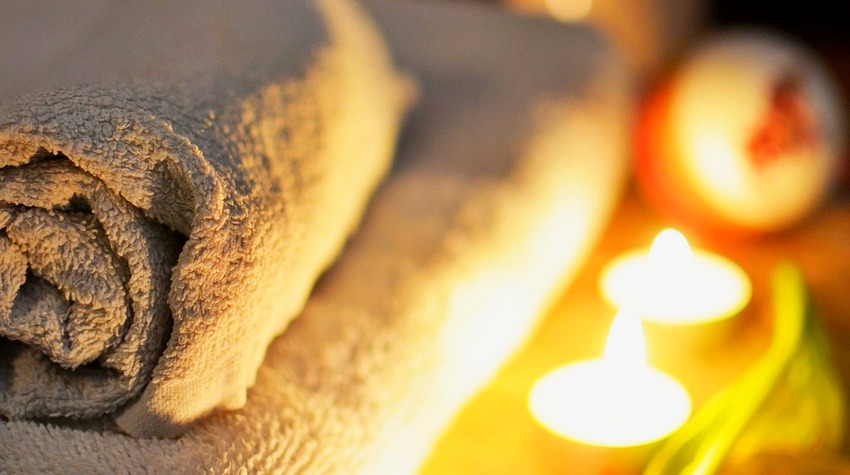
Ancient practices, developed in communities that have long nurtured care for both body and mind, show that well-being often lies in simple, everyday habits.
Japanese “Kanpu Masatsu” – Dry Towel Massage
In
Japan, the dry towel massage known as kanpu masatsu has long been part of daily
exercise routines and was once taught to children in schools. This technique
involves rubbing the skin with a dry towel for five to ten minutes, generating
warmth and improving circulation. Traditionally, it has been associated with
boosting immunity and preventing colds, while modern research points to its potential
to reduce stress and improve lymphatic flow.
“Sobremesa” – Time After Lunch for a Better Social Life
In
Spain and much of Latin America, the tradition of sobremesa refers to lingering
at the table after a meal to enjoy conversation, coffee or a drink without
rushing. This custom highlights the importance of presence and meaningful
communication, strengthening social bonds and contributing to better mental
health.
Ayurveda and the Ritual of Daily Balance
Ayurveda,
the ancient Indian system of holistic health, promotes the ritual of
dinacharya—a daily routine designed to maintain balance between body and mind.
It includes waking up early, drinking warm water with lemon, regular physical
activity and going to bed before 10 p.m. Although it may seem strict, the goal
of this routine is consistency that leads to long-term well-being.
Korean Kimchi – A Tradition That Nourishes the Body
In
Korea, families traditionally prepare kimchi together every late autumn during
a ceremony known as gimjang. This fermented food, rich in probiotics, is served
with almost every meal and is known for its positive effects on gut health and
immunity. The tradition has also been inscribed on UNESCO’s list of Intangible
Cultural Heritage.
Nordic “Friluftsliv” – Life in the Fresh Air
In
Nordic countries, the philosophy of friluftsliv encourages spending time
outdoors throughout the year, regardless of weather conditions. Regular walks,
hiking and outdoor activities help reduce stress and improve mood, especially
during the long winter months.
Indnesian “Jamu” – Herbal Drink for Vitality
The
traditional Indonesian herbal drink jamu, made from turmeric, ginger and other
spices, has been consumed for centuries for its benefits to immunity and
digestion. Although it has a bitter taste, jamu represents a unique blend of
food, medicine and cultural tradition.
Italian “Passeggiata” – Walking for Body and Soul
In
Italy, passeggiata is a cultural ritual of a leisurely evening walk, often
taken after dinner. It aids digestion, reduces stress and offers an opportunity
for social interaction. This simple habit can easily be adapted and integrated
into everyday life.
These
global wellness traditions show that health is often built through small,
mindful steps—from fresh air and shared meals to simple practices that
encourage harmony between body and mind.

Join our
Viber Community
TRAVELING BY CAMPERVAN FOR THE FIRST TIME? HERE’S WHAT YOU SHOULD KNOW BEFORE YOU GO

NEW RAIL LINK BETWEEN REPUBLIKA SRPSKA AND SERBIA: DAILY TRAIN SERVICE FROM ZVORNIK TO BELGRADE
‘DRŽAVNI POSAO’ CREW FILMS NEW PROJECT IN TREBINJE
SEE SRPSKA RECEIVES CHARTER FROM BANJA LUKA TOURIST ORGANIZATION
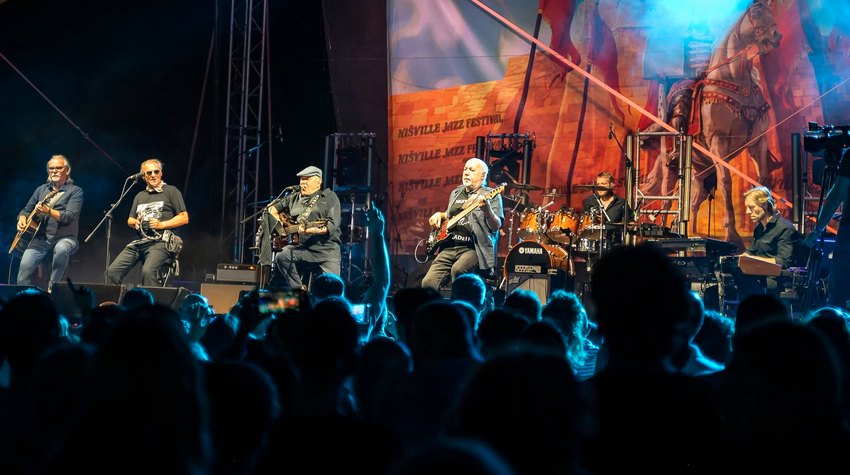
GALIJA TO CELEBRATE MAJOR ANNIVERSARY IN BANJA LUKA
SEE SRPSKA RECEIVES CHARTER FROM BANJA LUKA TOURIST ORGANIZATION
NEW RAIL LINK BETWEEN REPUBLIKA SRPSKA AND SERBIA: DAILY TRAIN SERVICE FROM ZVORNIK TO BELGRADE
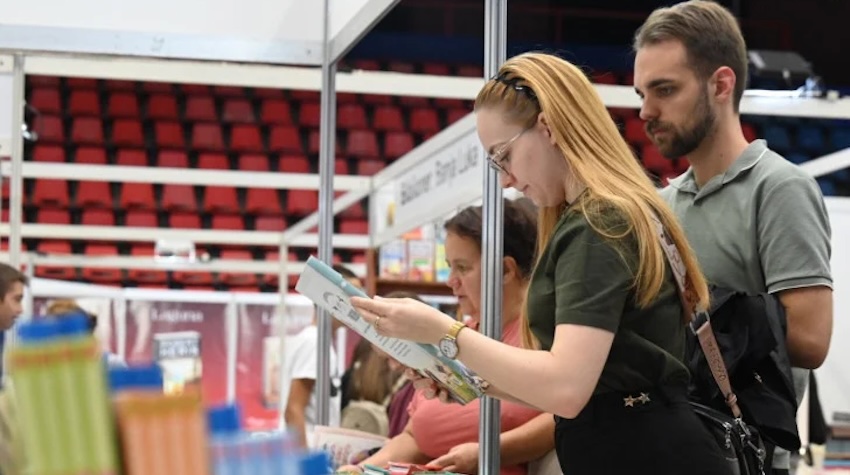
BANJA LUKA BOOK FAIR 2026 OPENS TODAY
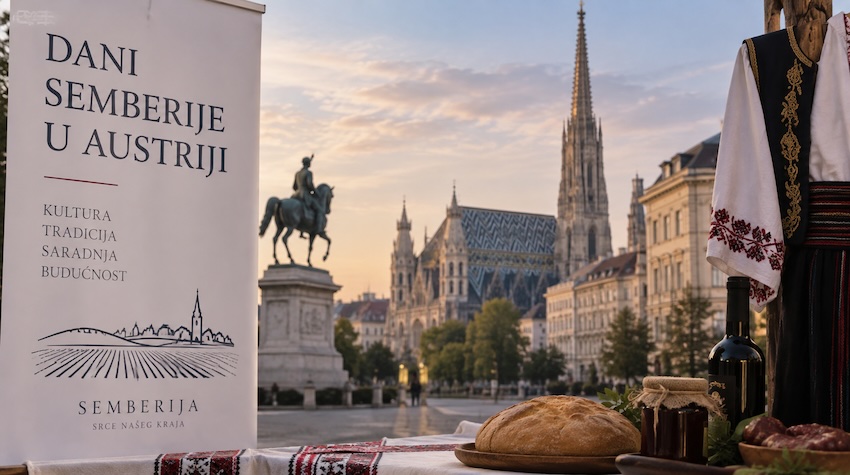
DAYS OF SEMBERIJA IN AUSTRIA: CULTURE, TRADITION AND LOCAL PRODUCTS PRESENTED TO AUSTRIAN AUDIENCES
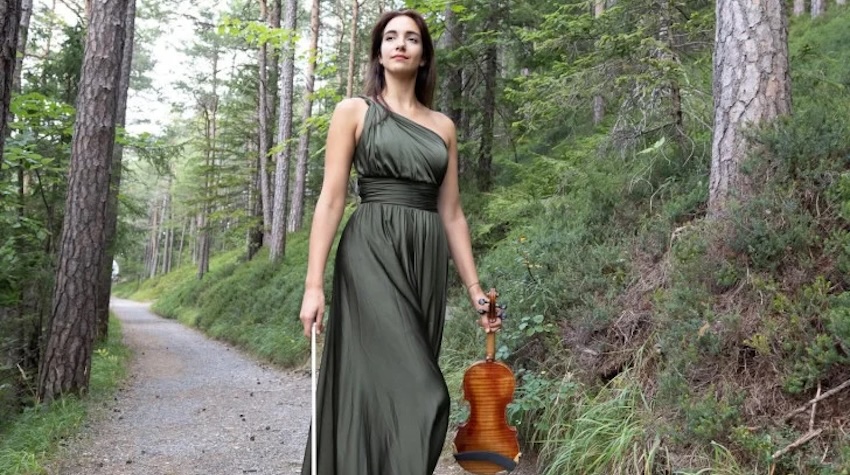
FROM EUROPEAN STAGES TO HER HOMETOWN: JOVANA RALJIĆ BRINGS VIVALDI TO BANJALUKA

 The situation at the border crossings