SANDA RAŠKOVIĆ IVIĆ PRESENTS HER BOOK "LIFE GOES ON" IN BANJALUKA
Sanda Rašković Ivić, a respected psychiatrist with years of experience in the Serbian political scene, recently released her book "Life Goes On," which was promoted in the largest city of the Republic of Srpska.

Before publishing this book, Sanda had focused on professional literature, textbooks, and chapters in academic works, all aimed at students and specialists. However, she had never before written for a wider audience.
Discussing the challenges of putting her personal story on paper, Sanda shared with Novosti Plus that at first, she was somewhat concerned about how the process would unfold.
“The idea to write this book didn’t come from me; it came from Dubravka Vujanović from Vukotić Media. While we were discussing loss, she suggested I write a book. At first, I was a bit worried because this book was meant for people without psychological or psychiatric backgrounds. I had to find a balance between the psychological and psychiatric theory of loss, which involves grieving and its stages, while weaving in my personal experiences—both my life and the experiences of my patients,” Rašković explained. She also revealed how writing her story turned out to be a healing experience for her.
Tears, Pain, and Healing
“Writing this book was definitely tied to revisiting difficult times and reliving painful moments from my life. As I wrote, especially the part about the death of my son Jovan, I often found myself crying. However, this process felt like a form of catharsis, a cleansing. We psychiatrists advise our patients to write down their pain, to put it on paper. My writing was, in a way, healing for me too,” said Sanda.
Her writing in this book is warm and fluid, easily reaching the hearts of readers. It takes us through the pain but gently leads us into the light, bringing comfort and important life lessons. Readers find understanding in her words, recognizing their own grief and emotions they may have kept hidden. The book guides them naturally and unobtrusively, just as life itself flows.
When asked about the emotional impact the book has on its readers, Rašković shared that many people recognize their own feelings in her writing.
“Just the other day, while I was coming back from the market, a woman in her fifties stopped me. I didn’t know her. She told me she had read my book, that her mother passed away a few months ago, and that my book had been healing for her. In the sentences I wrote, in the way I spoke about the death of my mother, she recognized her own feelings, ones she couldn’t share with anyone. But after reading the book, she felt relief. Some of my friends who had lost their husbands and couldn’t part with their belongings, thinking they could bring them back by holding onto them, found confirmation in the book that they weren’t acting irrationally; it’s just part of the grieving process,” Rašković explained.
An Overflow of Love
Sanda and her close ones were always people full of love and tenderness. As a young girl, she learned how important and healthy it is to express emotions, whether pleasant or unpleasant, and she feels deeply grateful for the excess of love she witnessed in her family.
“The thing I’m most grateful for in my family is the overflow of love. I saw this in both my father and mother. My mother was a strict woman, but she was deeply dedicated to showing love. My father treated me like any father treats his only daughter, surrounding me with immense love. In our family, we could express sadness, weakness, and anger. I lived surrounded by love and support, but not in the sense of being sheltered, rather real support when it was needed,” Sanda shared, recalling an anecdote that served as a real-life lesson.
Father, Exams, and a Zagreb Cemetery
Sanda recalled an experience that marked her: “I was about to take my first exam at the Medical Faculty in Zagreb, and like any good, responsible student, I was extremely nervous. My father came to Zagreb, and before the exam, he took me for a walk in the Mirogoj cemetery. There, he showed me the Jewish family monuments in the arcades, where one could see dates like 1938, 1939, or 1941, followed by a void. He was showing me that in life, there are much more serious things than exam stress or trivial problems. For me, that was both healing and an education in action,” Sanda remembered, emphasizing the importance of optimism and not allowing fear to take control.
The Importance of Connection with Loved Ones
In a time when people are constantly bombarded with advice about isolating themselves in pursuit of their desires and how to instantly “find” happiness, Sanda was asked how crucial it is to be surrounded by loved ones and how healing and essential that time is for one’s well-being.
“I was raised very differently, and I want to spread that culture around me—finding joy in serving those I love, my loved ones. I take pleasure in doing things for them. I don’t see it as slavery, but as a privilege and satisfaction. Of course, sometimes I get tired and complain a little, but the essence is in that joy. In my opinion, egocentric thinking is very wrong—‘only for me, I must be happy at all costs, I don’t care about anyone else.’ Because a person is a being of relationships, and if we don’t have that relationship with loved ones, with family, with friends—who are the crown of our life—we can indulge ourselves as much as we want, but we will remain alone and alienated,” Rašković explained, sharing what particularly ties her to Banjaluka.
Banjaluka – A City Close to My Heart
“Banjaluka is a warm, cozy city. I loved it from the very first time I visited. It was at the beginning of my studies. My father was going to give a lecture at a seminar, and I accompanied him because I wanted to see Banjaluka and hear him. What really personally connects me to this city is Jovana Raškovića Street, which leads to the Clinical Center,” Sanda concluded the conversation.
Her words left a lasting impression, offering readers insight into the healing power of connection, the importance of expressing emotions, and the ongoing journey of life.

Join our
Viber Community
TRAVELING BY CAMPERVAN FOR THE FIRST TIME? HERE’S WHAT YOU SHOULD KNOW BEFORE YOU GO
NEW RAIL LINK BETWEEN REPUBLIKA SRPSKA AND SERBIA: DAILY TRAIN SERVICE FROM ZVORNIK TO BELGRADE
‘DRŽAVNI POSAO’ CREW FILMS NEW PROJECT IN TREBINJE
SEE SRPSKA RECEIVES CHARTER FROM BANJA LUKA TOURIST ORGANIZATION
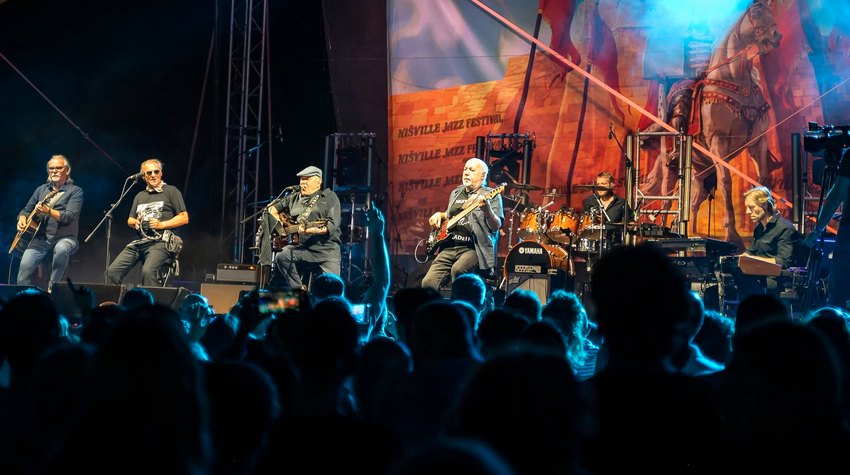
GALIJA TO CELEBRATE MAJOR ANNIVERSARY IN BANJA LUKA
NEW RAIL LINK BETWEEN REPUBLIKA SRPSKA AND SERBIA: DAILY TRAIN SERVICE FROM ZVORNIK TO BELGRADE
SEE SRPSKA RECEIVES CHARTER FROM BANJA LUKA TOURIST ORGANIZATION
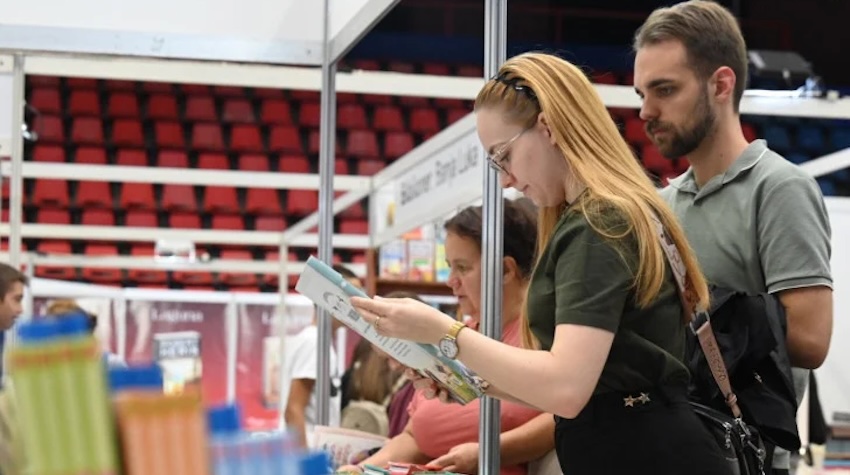
BANJA LUKA BOOK FAIR 2026 OPENS TODAY
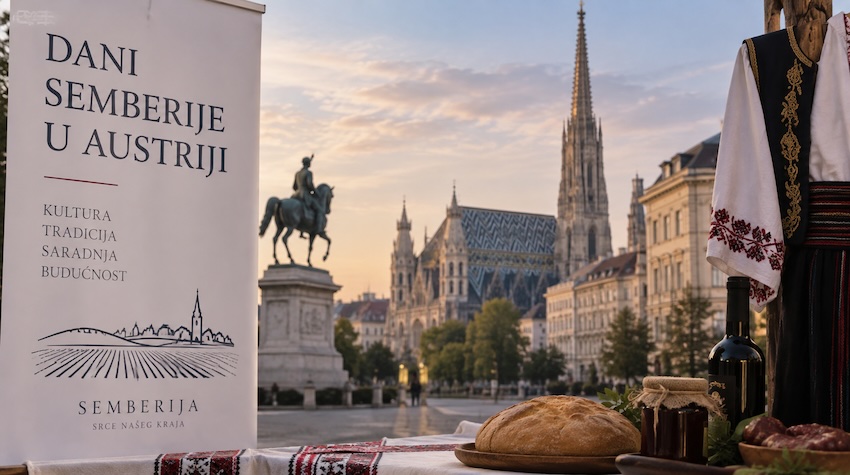
DAYS OF SEMBERIJA IN AUSTRIA: CULTURE, TRADITION AND LOCAL PRODUCTS PRESENTED TO AUSTRIAN AUDIENCES
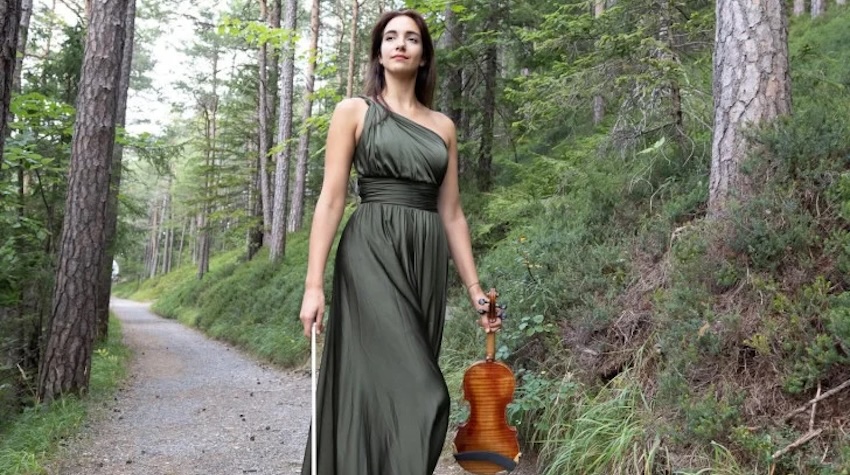
FROM EUROPEAN STAGES TO HER HOMETOWN: JOVANA RALJIĆ BRINGS VIVALDI TO BANJALUKA

 The situation at the border crossings