OZREN MONASTERY – GUARDIAN OF FAITH AND THE TURBULENT HISTORY OF THE OZREN REGION
Hidden among the forests and slopes of Mount Ozren, near the town of Petrovo, Ozren Monastery is one of the most important Orthodox monasteries in northeastern Bosnia. Surrounded by mountain landscapes and located near the valley of the Spreča River, the monastery has stood for centuries as a witness to the turbulent history and enduring traditions of the region.
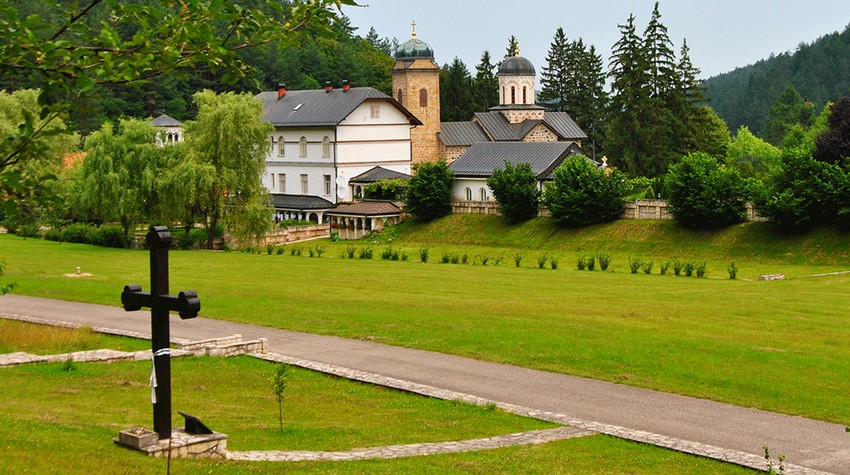
Located
in the settlement of Kauđerica, approximately seven kilometres south of Petrovo,
the monastery is dedicated to Saint Nicholas the Wonderworker. It takes its
name from Mount Ozren, whose forests, hills and peaceful natural surroundings
add to the special atmosphere experienced by visitors.
A MONASTERY SHROUDED IN DISTANT HISTORY
The
exact date of the foundation of Ozren Monastery remains uncertain. Like several
other medieval monasteries in northeastern Bosnia, its origins are surrounded
by layers of history, historical interpretations and local traditions.
The
oldest known written evidence is an inscription carved above the entrance to
the church, mentioning the year 1587. The inscription refers to Father Jakov,
who is recorded as having paved the church at that time.
This
important historical record confirms the existence and religious activity of
the monastery in the 16th century, while also suggesting that its history may
reach much further into the past.
THE TRADITION OF THE NEMANJIĆ DYNASTY
For
generations, local tradition has maintained that Ozren Monastery, together with
other monasteries in northeastern Bosnia, was founded as an endowment of the
famous Serbian medieval Nemanjić dynasty.
According
to interpretations by earlier historians, the monastery has been associated
with King Dragutin, who ruled the territory where Ozren is located between 1284
and 1316.
Although
the precise origins of the monastery have not been definitively established,
the historical fact that King Dragutin controlled this territory provides an
important basis for the tradition connecting Ozren with his reign
A SPIRITUAL CENTRE OF THE OZREN REGION
Throughout
the centuries, Ozren Monastery played an important role in preserving Orthodox
faith, tradition and the cultural identity of the people living in this part of
Bosnia.
Its
importance extends beyond its architecture and historical records. Through
different periods of history, the monastery remained a place where believers
gathered and where the spiritual heritage of Ozren was preserved and passed
from one generation to another.
Today,
Ozren Monastery remains an important pilgrimage destination and a place of
interest for visitors wishing to discover the cultural and religious heritage
of Republika Srpska.
WHERE HISTORY MEETS NATURE
One of the monastery's greatest attractions is its natural setting. Mount Ozren, extensive forests, mountain landscapes and the nearby Spreča River create an environment where history, spirituality and nature come together.
For visitors
interested in cultural and religious tourism, as well as travellers looking for
peaceful destinations away from major tourist centres, the Ozren region offers
an opportunity to experience a different side of Bosnia and Herzegovina.
A
visit to the monastery can also be combined with exploring Petrovo and the
surrounding mountain area, which offer opportunities for nature walks,
excursions and discovering local traditions.
A PLACE THAT PRESERVES THE MEMORY OF GENERATIONS
Whether
its origins are ultimately connected with the Nemanjić dynasty, King Dragutin
or an even earlier period, Ozren Monastery remains a valuable witness to the
centuries-old history of this part of Bosnia.
Its
walls, historical inscriptions and local traditions form part of a story that
has been passed down through generations. For this reason, Ozren is more than a
religious site – it is also a place where visitors can encounter the history,
culture and traditions of the region.
Set in
the peaceful landscape of Mount Ozren, the monastery today represents a unique
combination of spiritual heritage, history, culture and natural beauty, making
it a destination worth adding to the travel map of Republika Srpska.

Join our
Viber Community

NATIONAL THEATRE OF REPUBLIKA SRPSKA WINS TWO AWARDS AT "DAYS OF ZORAN RADMILOVIĆ"
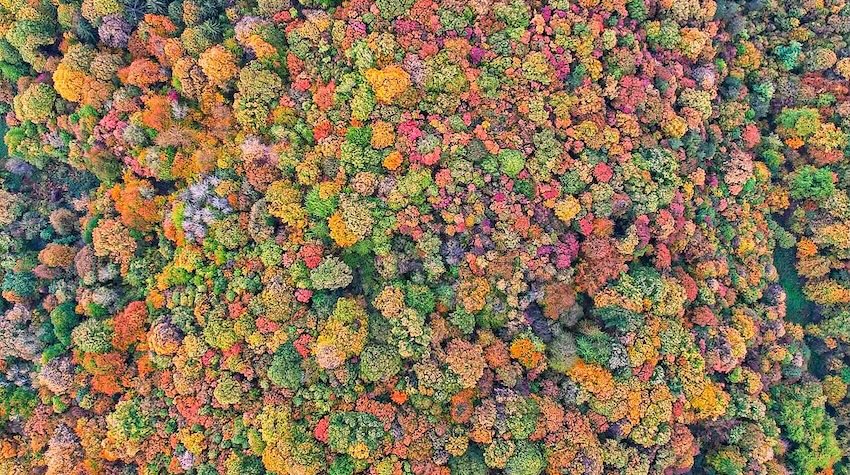
AUTUMN IN ITS MOST BEAUTIFUL COLORS THROUGH THE LENS OF TOMAS DAMJANOVIĆ
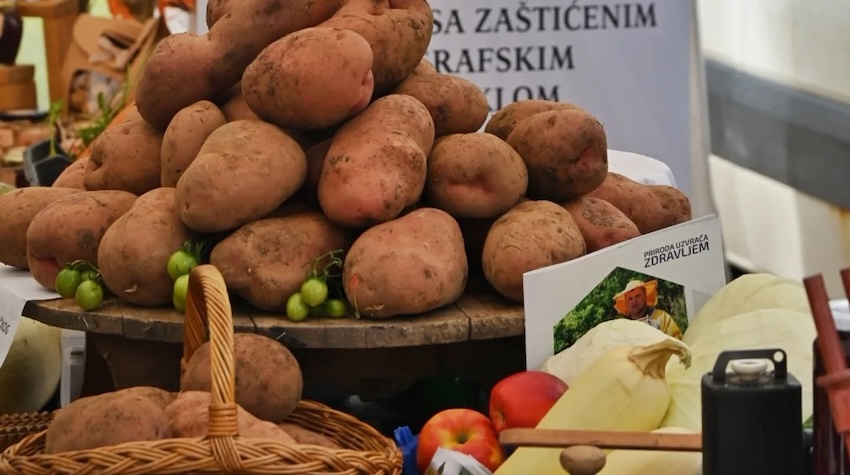
FROM THE FIELDS OF GLAMOČ TO TABLES ACROSS THE REGION: A POTATO WITH A NAME OF ITS OWN
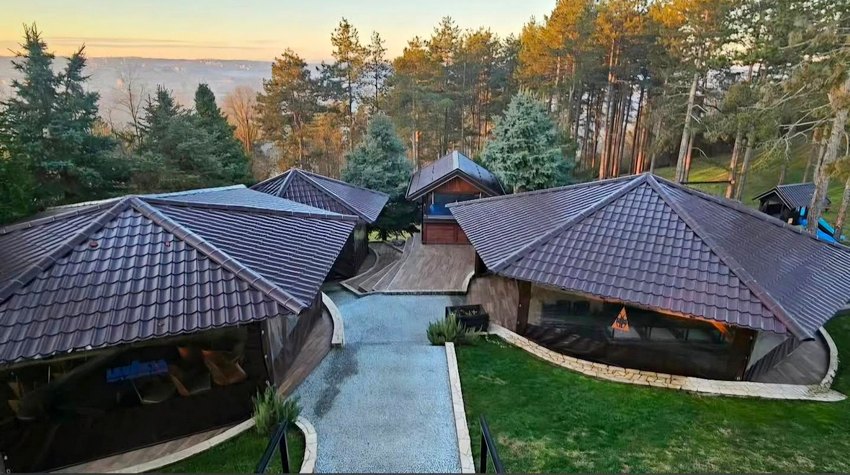
WHERE TO GO FOR A MINI BREAK FOR TWO FOR JUST BAM 69

3 GREAT WEEKEND GETAWAY IDEAS IN REPUBLIC OF SRPSKA
FROM THE FIELDS OF GLAMOČ TO TABLES ACROSS THE REGION: A POTATO WITH A NAME OF ITS OWN

GRADIŠKA INNOVATOR RECEIVES OFFICIAL SUPPORT FOR INNOVATIVE DIGITAL PROJECT

BANJA LUKA’S YOUNGEST RESIDENTS SHOW THAT KINDNESS HAS NO AGE
WHERE TO GO FOR A MINI BREAK FOR TWO FOR JUST BAM 69
3 GREAT WEEKEND GETAWAY IDEAS IN REPUBLIC OF SRPSKA


 The situation at the border crossings