KOLEDAVCI TRADITION PRESERVED AS ISKON CREATES EXTENSIVE CULTURAL HERITAGE ARCHIVE
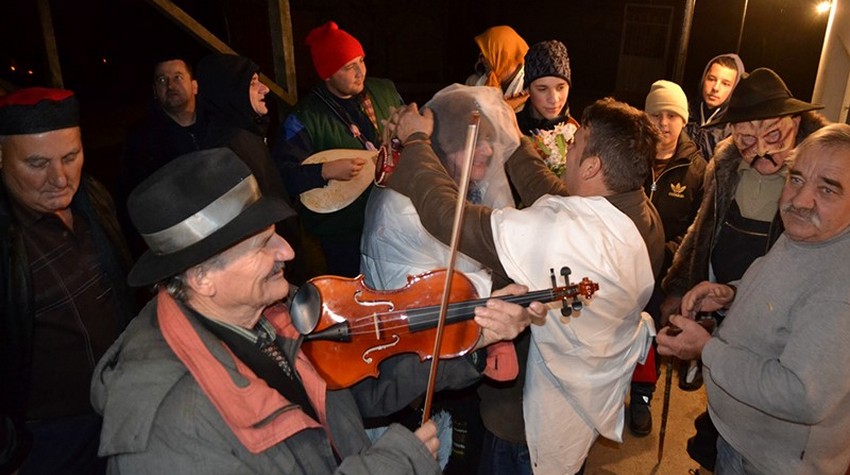
A months-long project dedicated to researching and documenting the centuries-old Koledavci folk tradition has been successfully completed, resulting in an extensive archive of historical documents, photographs, video recordings, and oral testimonies that will help safeguard one of the most valuable elements of the intangible cultural heritage of the Republic of Srpska.
The
Iskon Research Center from Banja Luka announced that the project, titled
Research and Documentation of the Koledavci Folk Tradition, was carried out
between December 20, 2025, and June 20, 2026, with financial support from the
Ministry of Civil Affairs of Bosnia and Herzegovina through its cultural
co-financing program.
The
primary goal of the initiative was to scientifically research, document, and
preserve the Koledavci custom, traditionally performed before the Orthodox
holiday of Materice (Mothers' Day), and recognized as one of the most
significant examples of traditional folk culture in the Derventa, Doboj, and
Stanari regions.
During the project, researchers collected an extensive range of archival materials, scientific publications, historical documents, old photographs, audiovisual recordings, and first-hand accounts from local residents and participants who have kept the tradition alive for generations. The research was led by Damir Kljajić, M.A., who systematically analyzed and organized the collected material.
In
addition to research conducted in archives, libraries, and museums across
Bosnia and Herzegovina and neighboring countries, comprehensive fieldwork was
carried out in the villages of Gornja Lupljanica, Donja Lupljanica, Osinja,
Pojezna, Cerani near Derventa, Cvrtkovci and Cerovica in the municipality of
Stanari, as well as Ritešić near Doboj. Interviews with local residents and
members of Koledavci processions provided valuable insights into the origin,
development, symbolism, and cultural importance of the custom.
A
significant part of the project focused on photographing and filming the
traditional processions, masks, costumes, ceremonial props, ritual songs, and
customs, while also recording interviews with tradition bearers. The result is
a valuable audiovisual archive that will serve future researchers, museums, and
cultural institutions.
According
to the Iskon Research Center, all collected materials have been processed,
catalogued, and archived into a unique documentation database that will provide
a foundation for future scientific research, museum exhibitions, educational
activities, and initiatives aimed at protecting intangible cultural heritage.
Based on the research findings, a comprehensive publication dedicated to the Koledavci tradition has also been prepared. It explores the historical development of the custom, the organization of the traditional processions, the symbolism of masks and ceremonial objects, ritual songs, blessings, and distinctive local characteristics. At the same time, a documentary film presenting the authentic appearance and sequence of the Koledavci processions has been completed.
"The
project has created a permanent archival, photographic, and video record that
will serve as a cornerstone for future scientific research, institutional
protection, and the promotion of the Koledavci tradition. It has also
strengthened cooperation with local communities and raised awareness about the
importance of preserving intangible cultural heritage, while creating new
opportunities for cultural tourism development in the Derventa, Doboj, and
Stanari areas," the Iskon Research Center stated.
The
Center emphasized that the project's results will have long-term significance
for ethnology, historiography, museum studies, educational programs, and future
initiatives dedicated to preserving the traditional culture of the Republic of
Srpska.

Join our
Viber Community
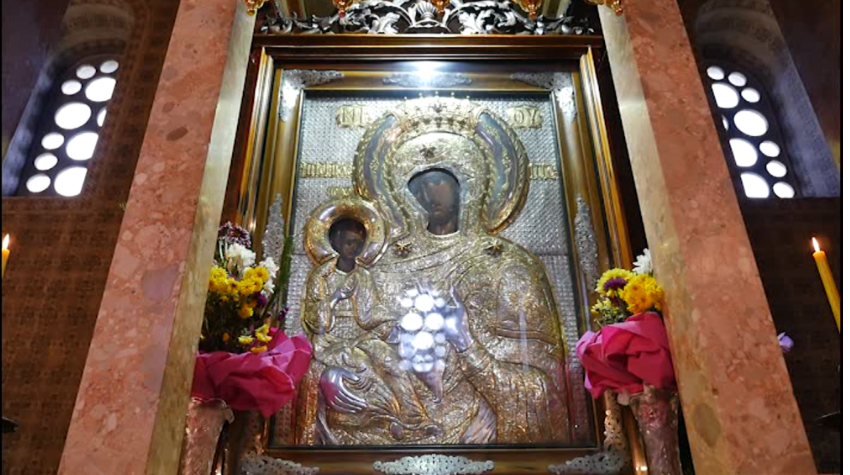
THE PEOPLE PROTECTED THE SACRED ICON, BELIEVING IT WAS PROTECTING THEM: THE STORY OF THE ČAJNIČE KRASNICA

APPEAL FOR HELP: BLOOD DONORS URGENTLY NEEDED FOR NATAŠA ĆEJIĆ IN BANJA LUKA

NEW GENERATION OF STUDENT THEATRE MEMBERS TAKES THE STAGE

AUTUMN FRUITS AND HONEY FESTIVAL COMES TO BANJALUKA

DEJAN KOKANOVIĆ CONQUERS 336 KM THROUGH THE ITALIAN ALPS
DEJAN KOKANOVIĆ CONQUERS 336 KM THROUGH THE ITALIAN ALPS
APPEAL FOR HELP: BLOOD DONORS URGENTLY NEEDED FOR NATAŠA ĆEJIĆ IN BANJA LUKA

OKTOBERFEST KICKS OFF IN MUNICH, EXPECTING 6.5 MILLION VISITORS
AUTUMN FRUITS AND HONEY FESTIVAL COMES TO BANJALUKA
SPANISH TRAVEL WRITER DISCOVERS THE GREEN SIDE OF BANJA LUKA

 The situation at the border crossings