POTTERY – THE PERFECT FUSION OF ART AND CRAFT
In today’s fast-paced world, where everything is measured by speed and efficiency, there are spaces where time slows down, and creation takes on new meaning. One such space is pottery, a unique blend of craft and ceramic art that balances discipline with freedom.
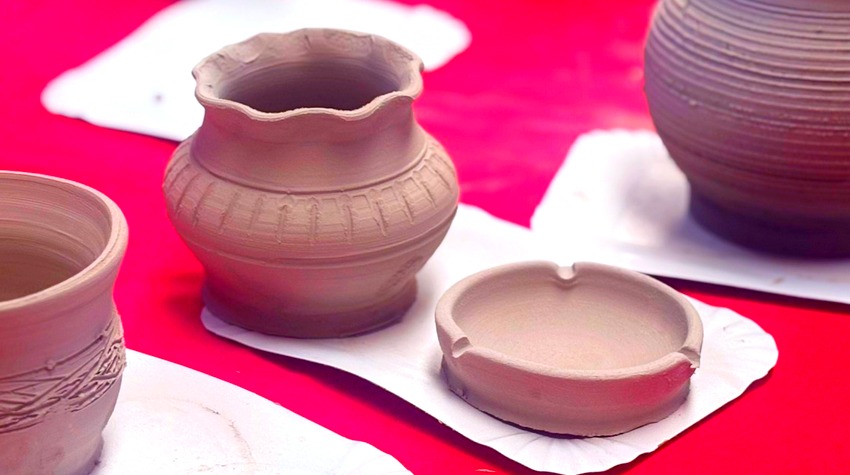
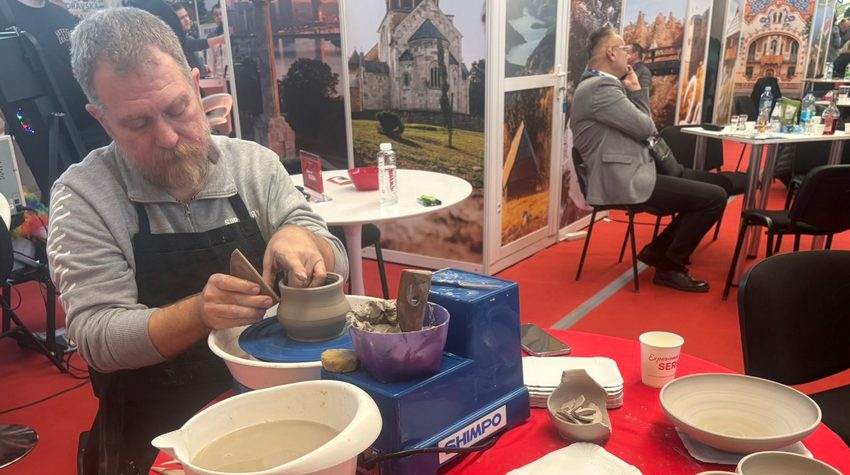
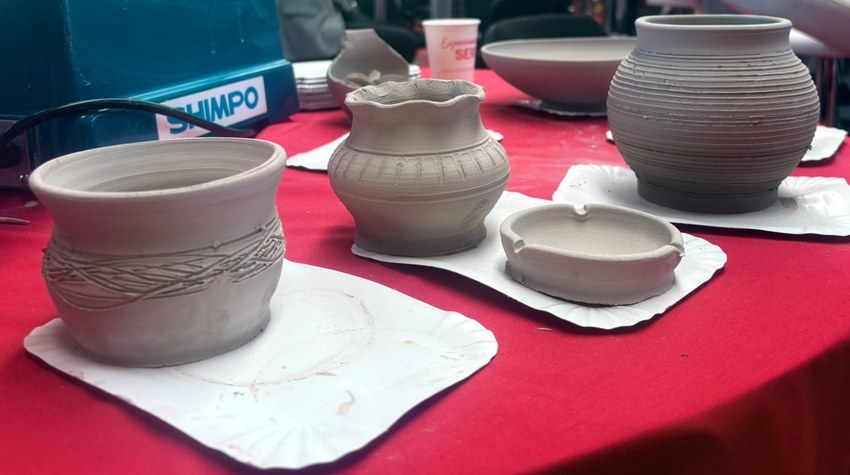
For
HEDONIST Magazine, Lazar Rančić, who runs a pottery school in Belgrade, returns
to the essentials – working with hands, embracing silence, and respecting a
process that cannot be rushed. On the potter’s wheel, he says, the most sincere
creations emerge: forms that cannot be hurried or forced.
Traditional
pottery relies on precise movements and the potter’s wheel, while artistic
ceramics encourage experimentation with techniques, clay types, and expressive
freedom. In practice, these elements naturally combine, creating a balance
between skill and intuition, rules and personal expression.
There is no rush, no pressure.
“Everything
is done slowly,” Lazar explains.
This
deliberate pace allows hands, material, and attention to align perfectly,
creating meaningful, authentic work.
Most
students at Lazar’s Belgrade pottery workshop are not looking to turn ceramics
into a profession. They come for the experience – to create with their hands,
escape the daily grind, and find inner peace. As Lazar emphasizes, talent is
not a requirement:
“Anyone
can learn this,” he tells HEDONIST Magazine.
“It’s about desire, patience, and willingness to immerse yourself in the process.”
The
process itself reflects this philosophy. Wet clay is shaped, then left to dry
for several days – typically four to seven, depending on conditions. It is then
fired at around 900°C, glazed, and fired again to ensure durability and a
polished finish
Through
this seemingly simple yet thoughtful process, pottery becomes more than a
craft. It is a meeting point – between human and material, control and freedom,
knowledge and discovery.
Perhaps its greatest beauty lies in its ability to bring us back to ourselves, reminding us of the value of slow, mindful creation.

Join our
Viber Community
TRAVELING BY CAMPERVAN FOR THE FIRST TIME? HERE’S WHAT YOU SHOULD KNOW BEFORE YOU GO

NEW RAIL LINK BETWEEN REPUBLIKA SRPSKA AND SERBIA: DAILY TRAIN SERVICE FROM ZVORNIK TO BELGRADE
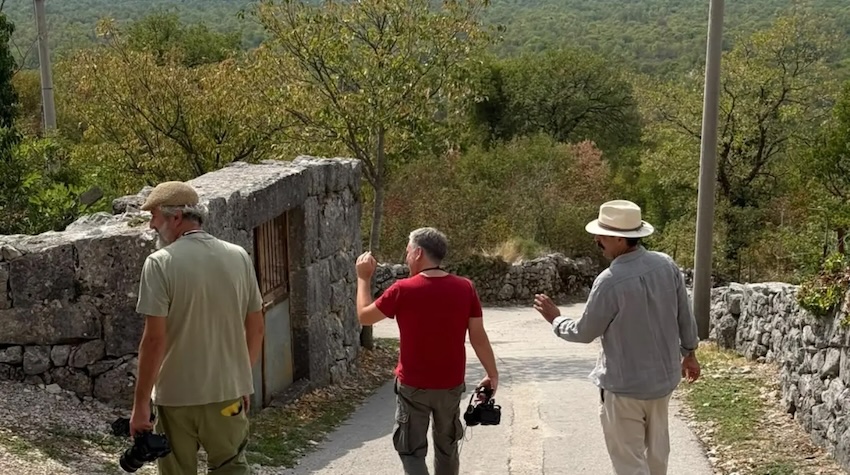
‘DRŽAVNI POSAO’ CREW FILMS NEW PROJECT IN TREBINJE
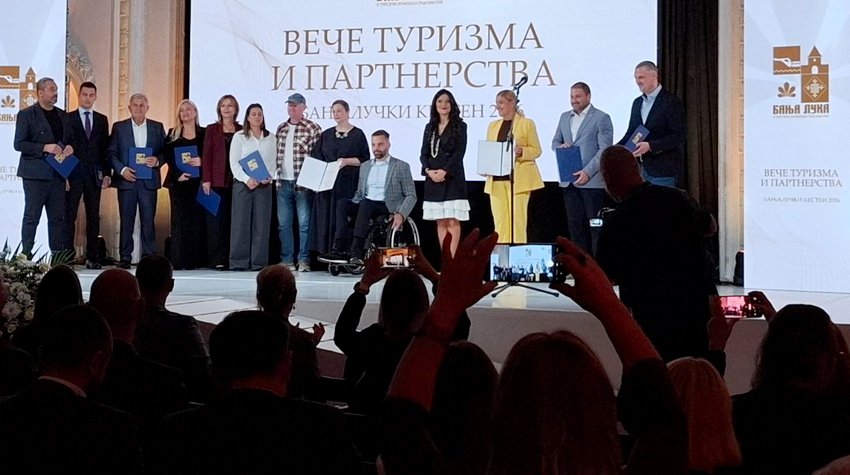
SEE SRPSKA RECEIVES CHARTER FROM BANJA LUKA TOURIST ORGANIZATION
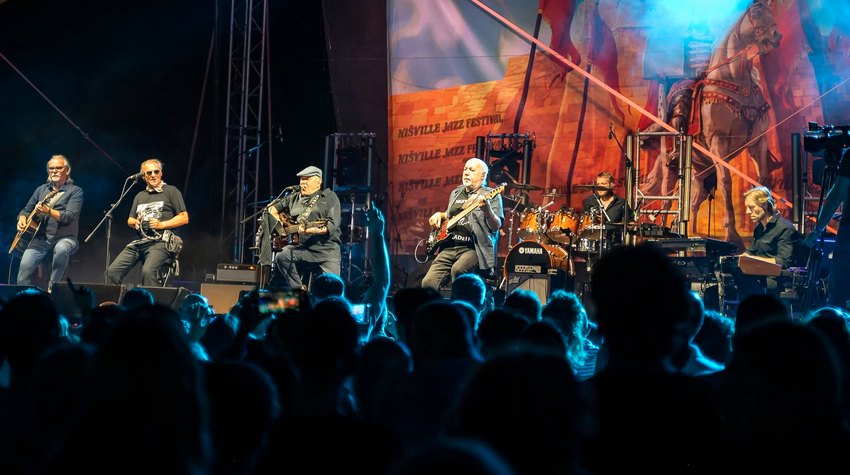
GALIJA TO CELEBRATE MAJOR ANNIVERSARY IN BANJA LUKA
SEE SRPSKA RECEIVES CHARTER FROM BANJA LUKA TOURIST ORGANIZATION
NEW RAIL LINK BETWEEN REPUBLIKA SRPSKA AND SERBIA: DAILY TRAIN SERVICE FROM ZVORNIK TO BELGRADE
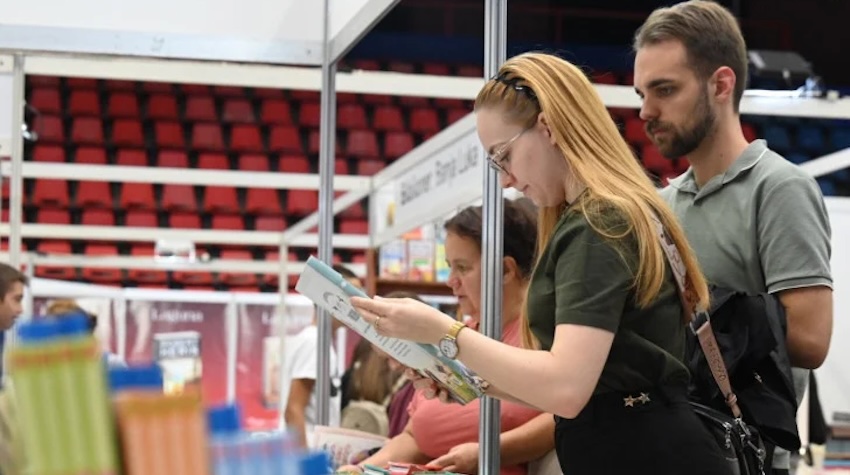
BANJA LUKA BOOK FAIR 2026 OPENS TODAY
DAYS OF SEMBERIJA IN AUSTRIA: CULTURE, TRADITION AND LOCAL PRODUCTS PRESENTED TO AUSTRIAN AUDIENCES
FROM EUROPEAN STAGES TO HER HOMETOWN: JOVANA RALJIĆ BRINGS VIVALDI TO BANJALUKA


 The situation at the border crossings