GRADIŠKA: EXCAVATIONS UNDERWAY AT THE ANCIENT FORTRESS OF MARIA THERESIA
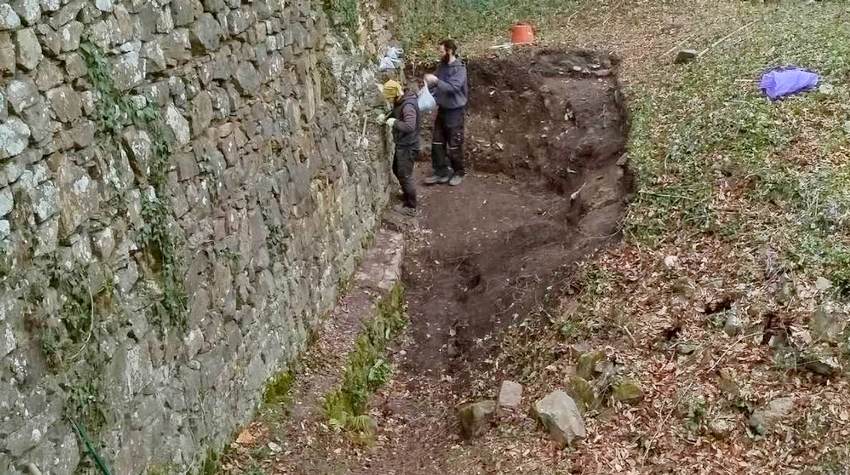
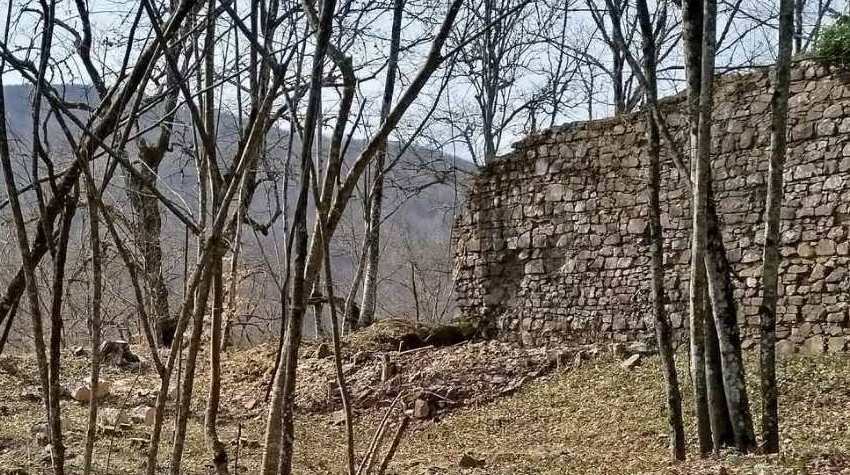
The site known as the Fortress of Maria Theresia, historically referred to as Vrbaški Grad, near Gradiška, has once again come into public focus.
The
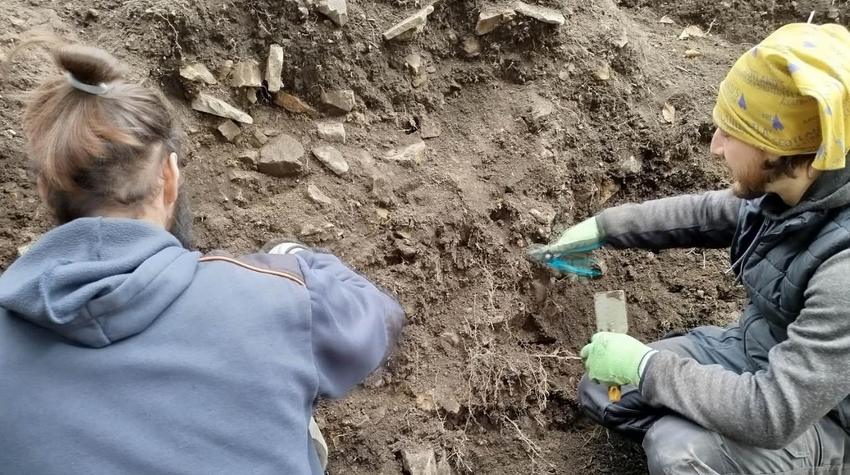
Homeland Museum of Gradiška, led by curator and archaeologist Dušan Kojić, has
launched systematic research of this fortress, which preserves layers of
history spanning centuries—from ancient tribes to medieval nobility.
Although
local legend links the fortification to the Austrian empress, the historical
reality is far older and far more complex.
Vrbaški
Grad derives its name from the Vrbaška stream and was first mentioned in
historical records in 1293. The earliest inhabitants were the Illyrian tribe
Oseriates, followed briefly by Celtic groups, while the Romans took control in
35 BC.
The
site later became the center of the Vrbas parish, first mentioned in a charter
issued by King Béla IV in 1244. The fortress was held by the powerful Slavonian
noble family Babonići—later known as Blagojski—and was significant enough to
serve as a place where royal charters were issued during the 14th century.
Silver Coin of Matthias Corvinus
One of
the most important pieces of evidence of life and the fortress’s importance in
the late Middle Ages is the discovery of a silver coin of King Matthias
Corvinus from the second half of the 15th century. This finding confirms the
strategic role of the site in the defense system against the advancing Ottoman
forces.
“Research
is crucial to better understand the dynamics of life and events that shaped
this area over the centuries,” archaeologist Dušan Kojić told Glas Srpske.
In
addition to its archaeological significance, researchers emphasize the
inseparable link between cultural heritage and nature. Located about three
kilometers from Gornji Podgradci toward Mrakovica, the fortress is surrounded
by dense forests that once served as natural protection.

Join our
Viber Community
DAYS OF SEMBERIJA IN AUSTRIA: CULTURE, TRADITION AND LOCAL PRODUCTS PRESENTED TO AUSTRIAN AUDIENCES
BANJA LUKA BOOK FAIR 2026 OPENS TODAY
THE PEOPLE PROTECTED THE SACRED ICON, BELIEVING IT WAS PROTECTING THEM: THE STORY OF THE ČAJNIČE KRASNICA

APPEAL FOR HELP: BLOOD DONORS URGENTLY NEEDED FOR NATAŠA ĆEJIĆ IN BANJA LUKA

NEW GENERATION OF STUDENT THEATRE MEMBERS TAKES THE STAGE
APPEAL FOR HELP: BLOOD DONORS URGENTLY NEEDED FOR NATAŠA ĆEJIĆ IN BANJA LUKA

DEJAN KOKANOVIĆ CONQUERS 336 KM THROUGH THE ITALIAN ALPS

OKTOBERFEST KICKS OFF IN MUNICH, EXPECTING 6.5 MILLION VISITORS
DAYS OF SEMBERIJA IN AUSTRIA: CULTURE, TRADITION AND LOCAL PRODUCTS PRESENTED TO AUSTRIAN AUDIENCES

AUTUMN FRUITS AND HONEY FESTIVAL COMES TO BANJALUKA


 The situation at the border crossings