MALI DOM IN PALE TO BECOME HOME TO THE INSTITUTE OF HISTORICAL SCIENCES
The University of East Sarajevo has announced a tender for the renovation and reconstruction of the second floor and attic of the Mali dom building in Pale, which will be adapted for the needs of the Institute of Historical Sciences.
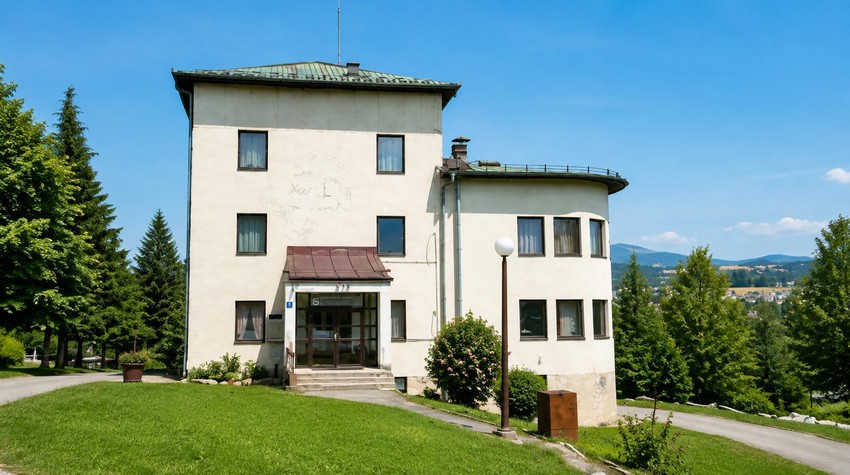
The estimated value of the works is KM 170,940.17, excluding VAT, while the procurement procedure will be conducted through an open tender.
The criterion for selecting the most
favourable bidder will be the lowest price, with an electronic auction planned.
The procurement has not been divided into lots.
The deadline for submitting bids and
collecting tender documentation is August 21, 2026, at 11 a.m.
The works will be carried out at the building
located at 1 Trg stvaralaca Republike Srpske in Pale.
RENOVATION OF THE SECOND FLOOR AND ATTIC
The project includes the renovation of the
second floor and attic of the Mali dom building, covering construction,
finishing and electrical installation works.
The planned works include preparatory, masonry
and waterproofing works, installation of interior joinery, flooring, ceramic
tiles, drywall works, as well as painting and decorating.
Electrical works will include installations
for both high and low voltage systems.
COMPUTER, TELEPHONE AND FIRE PROTECTION SYSTEMS
The tender also includes the installation of
telephone and computer networks, as well as a fire alarm system.
The bill of quantities also provides for
unforeseen works amounting to five per cent of the value of the construction
and electrical installation works.
Following the completion of the
reconstruction, the renovated space on the second floor and in the attic will
be used by the Institute of Historical Sciences of the University of East
Sarajevo.
The Mali dom building in Pale also carries
significant historical importance. During the war, it served as the
headquarters of the President of the National Assembly of Republika Srpska and
hosted numerous meetings with foreign diplomats.
The reconstruction of the building is
therefore expected to provide the Institute of Historical Sciences with modern
working conditions while preserving a site with an important place in the
contemporary history of Republika Srpska.

Join our
Viber Community






 The situation at the border crossings