WHICH COUNTRY IN THE REGION IS INCREASINGLY BEING COMPARED TO SPAIN?
Despite its small size and population of just over 620,000, Montenegro is rapidly emerging as one of Europe’s most striking tourist destinations, drawing frequent comparisons with traditional Mediterranean hotspots such as Spain.
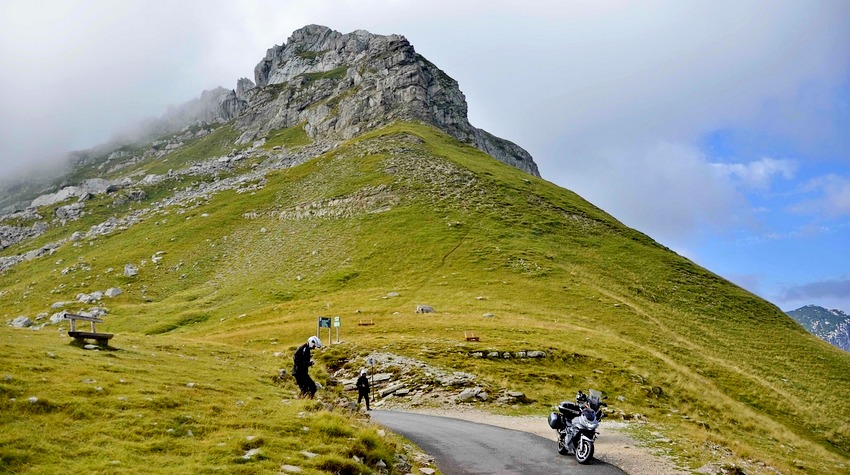
According
to Tourism Minister Simonida Kordić, Montenegro boasts almost untouched natural
landscapes that offer enormous potential for active tourism and authentic
travel experiences. Rather than pursuing mass tourism, the country aims to
attract visitors seeking premium accommodation, high-quality service, and a
more refined holiday experience.
Today,
tourism represents one of Montenegro’s most vital economic sectors, accounting
for approximately 25 percent of the country’s GDP and generating millions of
visits annually. Each year, more than 2.5 million tourists travel to Montenegro
— an impressive figure given its relatively small population.
LUXURY DEVELOPMENT ON THE RISE
Along
the coast, internationally renowned hotel brands such as Hilton Hotels &
Resorts, Hyatt Hotels Corporation, Meliá Hotels International, Radisson Hotels,
and Iberostar Hotels & Resorts are expanding their presence. Prestigious
areas such as Porto Montenegro and Bay of Kotor have become hubs for luxury
tourism, with a growing number of five-star and boutique hotels catering to
travelers seeking exclusivity.
IMPROVED CONNECTIVITY WITH SPAIN AND EUROPE
Montenegro
has also made significant strides in air connectivity. The country now offers
more than 130 direct flight routes to cities across Europe. This summer, direct
flights from Madrid and Barcelona further facilitate arrivals from Spain and
other markets, strengthening Montenegro’s position on the European tourism map.
DIVERSE LANDSCAPES AND NATURAL BEAUTY
Few
destinations in Europe offer such dramatic contrasts within a compact
territory. Visitors can spend the morning in the mountains and the afternoon
swimming in the Adriatic Sea. Montenegro seamlessly blends Eastern and Western
historical influences, reflected in its architecture, traditional cuisine, and
cultural heritage.
National
parks such as Durmitor, a UNESCO-listed site, and the Tara River Canyon — the
second deepest canyon in the world — attract hikers and nature enthusiasts.
Along the coast, historic towns like Kotor and Budva, as well as Velika Plaža
in Ulcinj, draw visitors from around the globe.
AUTHENTIC EXPERIENCE OVER MASS TOURISM
Montenegro
does not aspire to become just another mass tourism destination. As Minister
Kordić emphasizes, the goal is to provide a genuine, authentic way of life
rather than artificially constructed tourist settings. This strategic focus on
quality, exclusivity, and authenticity is making Montenegro an increasingly
attractive destination on Europe’s tourism landscape.

Join our
Viber Community
DAYS OF SEMBERIJA IN AUSTRIA: CULTURE, TRADITION AND LOCAL PRODUCTS PRESENTED TO AUSTRIAN AUDIENCES

BANJA LUKA BOOK FAIR 2026 OPENS TODAY
THE PEOPLE PROTECTED THE SACRED ICON, BELIEVING IT WAS PROTECTING THEM: THE STORY OF THE ČAJNIČE KRASNICA

APPEAL FOR HELP: BLOOD DONORS URGENTLY NEEDED FOR NATAŠA ĆEJIĆ IN BANJA LUKA

NEW GENERATION OF STUDENT THEATRE MEMBERS TAKES THE STAGE
APPEAL FOR HELP: BLOOD DONORS URGENTLY NEEDED FOR NATAŠA ĆEJIĆ IN BANJA LUKA

DEJAN KOKANOVIĆ CONQUERS 336 KM THROUGH THE ITALIAN ALPS

OKTOBERFEST KICKS OFF IN MUNICH, EXPECTING 6.5 MILLION VISITORS

AUTUMN FRUITS AND HONEY FESTIVAL COMES TO BANJALUKA

SPANISH TRAVEL WRITER DISCOVERS THE GREEN SIDE OF BANJA LUKA


 The situation at the border crossings