SANTA CLAUS: THE STORY BEHIND THE MOST ICONIC SYMBOL OF THE FESTIVE SEASON
A white beard, a red suit, rosy cheeks and a sack full of presents – the image of Santa Claus is instantly recognisable around the world. However, behind this beloved festive figure lies a fascinating history shaped by different cultures, folk traditions and artistic interpretations.
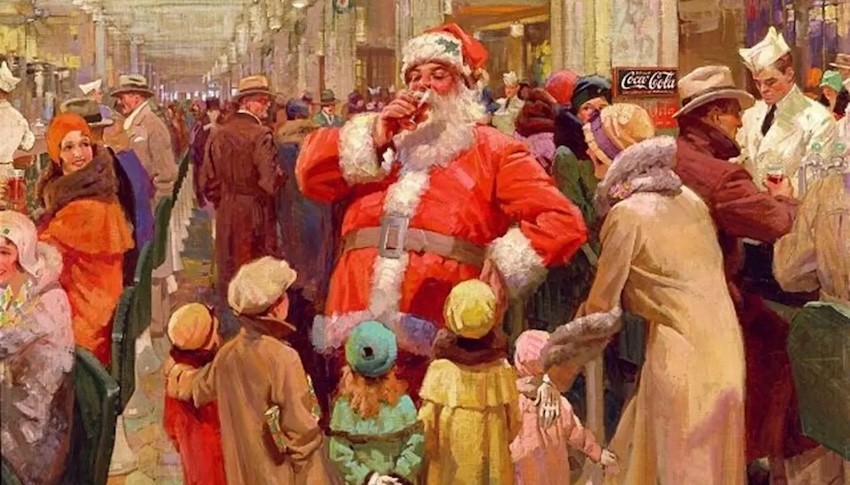
Although it is widely believed that Coca-Cola was responsible for his red suit, history shows that Santa Claus wore this colour long before the company's famous advertising campaigns.
HE ONCE WORE YELLOW, GREEN AND BLUE
One of the foundations of Santa Claus's modern appearance was laid in 1823, with the publication of the poem “A Visit from St. Nicholas”. It describes him as a cheerful, plump old man with a white beard and rosy cheeks, dressed in fur, without specifying the colour of his clothing.
Throughout the 19th century, artists portrayed him in various ways. He wore yellow, green, blue, brown and red coats, with his appearance changing according to the imagination of individual illustrators.
American cartoonist Thomas Nast played a significant role in shaping his recognisable image, publishing numerous illustrations of Santa Claus during the second half of the 19th century.
HOW THE RED SUIT BECAME ICONIC
The red suit trimmed with white fur appeared in illustrations and on the covers of American magazines long before Coca-Cola launched its famous festive advertising campaigns.
However, in 1931, the company commissioned illustrator Haddon Sundblom, who helped establish the image of the smiling, kind-hearted old man we recognise today.
His illustrations featured in festive advertisements for decades, helping to transform the red suit, white beard and broad smile into an almost universal symbol of holiday magic.
FROM RUSSIA'S DED MOROZ TO OUR DEDA MRAZ
In our region, the tradition of Santa Claus has somewhat different roots. His local name, Deda Mraz, derives from the Russian Ded Moroz, a figure from Slavic folklore who gradually evolved into a kind-hearted old man bringing gifts to children.
In the Soviet Union during the 1930s, he became a symbol of New Year celebrations, and following the Second World War, this tradition spread throughout the former Yugoslavia.
Unlike the Western Santa Claus, who delivers presents at Christmas, Deda Mraz is traditionally associated with New Year's Eve celebrations.
A SYMBOL OF FESTIVE MAGIC
Today, Deda Mraz represents a blend of different cultural traditions - his name comes from Slavic heritage, his iconic appearance owes much to American illustrators, and his enduring popularity is thanks to generations of children eagerly awaiting his arrival.
From beautifully decorated town squares and festive markets to family gatherings around the Christmas tree, this cheerful old man remains one of the most cherished symbols of generosity, joy and festive spirit.

Join our
Viber Community

WINTER MAGIC IN DOBOJ FROM 25 DECEMBER TO 14 JANUARY

ANA VINČIĆ WINS BEST YOUNG ACTRESS AWARD AT ALEKSINAC THEATRE FESTIVAL
SANTA CLAUS: THE STORY BEHIND THE MOST ICONIC SYMBOL OF THE FESTIVE SEASON

MEDLARS: A FORGOTTEN AUTUMN DELICACY THAT IS SWEETEST WHEN SOFT

NEW TOURISM RECORD IN REPUBLIC OF SRPSKA: MORE THAN 1.1 MILLION OVERNIGHT STAYS IN TEN MONTHS
.jpg)
VIDEŠKA LAKES – A DIFFERENT KIND OF TOURISM IN THE HEART OF ZELENGORA
REPUBLIC OF SRPSKA SHOWCASES ITS TOURISM POTENTIAL AT THE NOVI SAD TOURISM FAIR
BALKAN AS A SHARED TOURISM DESTINATION: DIVERSITY IS THE REGION'S GREATEST STRENGTH

A NEW ALTERNATIVE TO BOOKING.COM EMERGES FROM THE NEIGHBOURHOOD

HOW TO KEEP YOUR HOME WARM AND REDUCE HEATING COSTS THIS WINTER


 The situation at the border crossings