HOW TO KEEP YOUR HOME WARM AND REDUCE HEATING COSTS THIS WINTER
As colder days arrive and the heating season gets underway, many households are looking for ways to keep their homes warm while reducing energy consumption and heating bills.
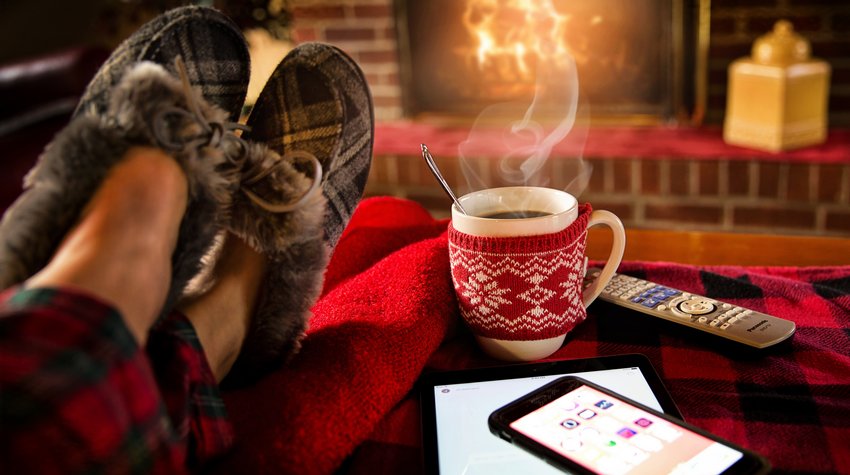
Although poor insulation is one of the main causes of heat loss, a few simple habits and practical measures can help maintain a comfortable indoor temperature and make heating more efficient.
Heat most commonly escapes through windows and
doors, particularly when they are not properly sealed. Applying rubber or
silicone weatherstripping around frames can help prevent draughts, while
special insulation films offer additional protection.
It is also important to avoid leaving windows
and balcony doors slightly open in the tilted position for extended periods, as
this allows rooms to cool continuously.
Instead, experts recommend short and intensive
ventilation several times a day, ideally for around five minutes at a time.
ADJUST INDOOR TEMPERATURE AND USE BLINDS
To reduce energy consumption, maintaining an
indoor temperature of around 20 degrees Celsius during the day is recommended,
while lowering it to approximately 15 degrees at night can help save energy.
Lowering external and internal blinds in the
evening provides an additional layer of insulation and helps retain heat
indoors.
Radiators should also remain unobstructed.
Curtains and furniture should not cover them, allowing warm air to circulate
freely throughout the room.
Carpets can provide additional insulation,
particularly when placed over cold flooring materials such as tiles and
parquet.
AN UNUSED CHIMNEY CAN ALSO CAUSE HEAT LOSS
In homes where fireplaces or heating systems
connected to chimneys are no longer in use, an open chimney flue can become
another route for cold air to enter and warm air to escape.
Properly sealing an unused chimney can
therefore help reduce unnecessary heat loss. However, any closure must preserve
the necessary ventilation openings and comply with safety requirements.
A few simple changes to everyday habits,
combined with better insulation around windows, doors and other vulnerable
areas, can make homes more comfortable and help households use energy more
efficiently throughout the winter.

Join our
Viber Community
HOW TO KEEP YOUR HOME WARM AND REDUCE HEATING COSTS THIS WINTER
BALKAN AS A SHARED TOURISM DESTINATION: DIVERSITY IS THE REGION'S GREATEST STRENGTH

A NEW ALTERNATIVE TO BOOKING.COM EMERGES FROM THE NEIGHBOURHOOD
.jpg)
VIDEŠKA LAKES – A DIFFERENT KIND OF TOURISM IN THE HEART OF ZELENGORA

FROM CLAY TO ART: A FESTIVE WORKSHOP AT THE MUSEUM OF THE REPUBLIC OF SRPSKA
VIDEŠKA LAKES – A DIFFERENT KIND OF TOURISM IN THE HEART OF ZELENGORA
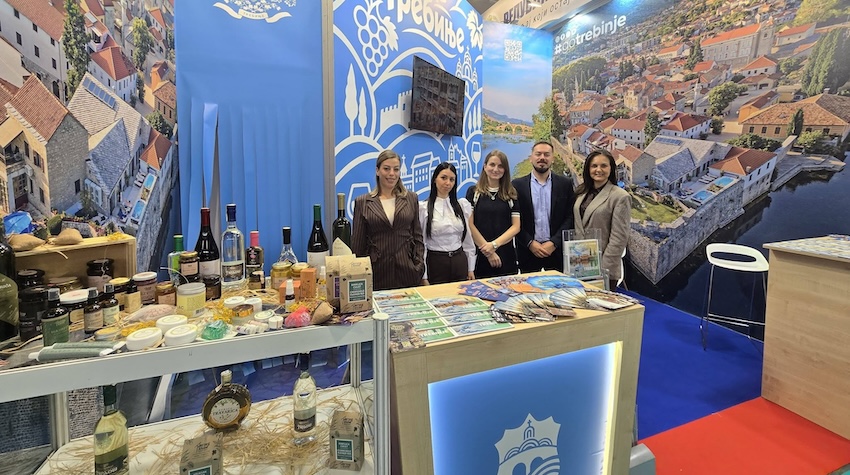
REPUBLIC OF SRPSKA SHOWCASES ITS TOURISM POTENTIAL AT THE NOVI SAD TOURISM FAIR

RENOWNED HANDBALL GOALKEEPER LAUNCHES CHARITY AUCTION FOR YOUNG VASILIJE

"KULVIKEND" BRINGS ARTISTS AND CULTURE ENTHUSIASTS TO BANJA LUKA

SOARING NEW YEAR’S EVE ACCOMMODATION PRICES ACROSS BOSNIA AND HERZEGOVINA


 The situation at the border crossings