WHAT MAKES THE PERFECT STEAK?
At first glance, steak may seem like a simple dish – a quality cut of beef, a little salt and high heat. Yet behind a perfectly cooked steak lies much more than a few minutes on a grill or in a pan.
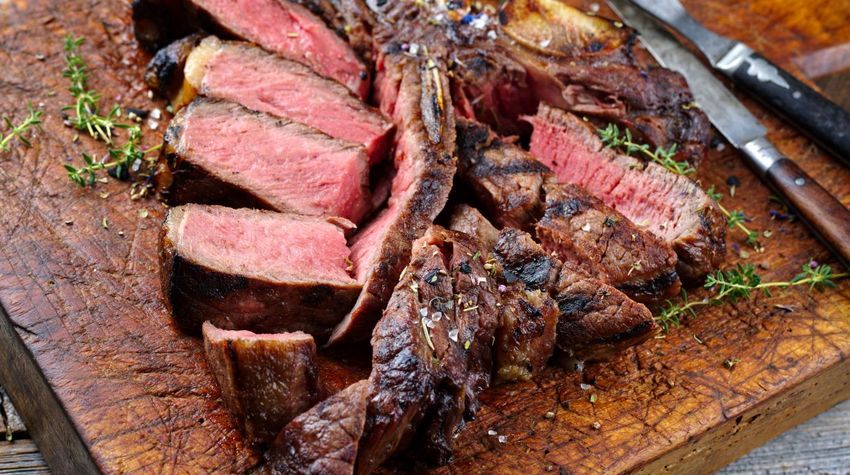
The choice of meat, its marbling, the aging
process, cooking temperature and a few simple rules can make the difference
between an average steak and an exceptional one, according to HEDONIST
magazine.
IT ALL STARTS WITH THE CHOICE OF MEAT
Before a steak reaches the heat, the most
important step is choosing the right cut.
Among the best-known options are ribeye,
sirloin, filet and T-bone, each with its own distinctive characteristics.
Ribeye is recognized for its pronounced
marbling – small streaks of fat running through the muscle. During cooking,
this fat gradually melts, contributing to the steak's juiciness and richer
flavour.
Filet, on the other hand, is known for its
exceptional tenderness and delicate texture, while sirloin offers a firmer
structure and a more pronounced beef flavour with less fat.
T-bone is particularly interesting because one
cut combines two different types of meat, separated by a distinctive T-shaped
bone.
WHY DOES MARBLING MATTER?
One of the key elements of a quality steak is
marbling.
This refers to intramuscular fat – fat distributed
throughout the muscle tissue. Unlike a layer of fat on the outside of the meat,
intramuscular fat gradually melts during cooking, contributing to juiciness,
texture and flavour.
However, more fat does not automatically mean
a better steak. Balance is important, as is the particular cut of meat.
Fine, well-distributed streaks of fat can be
an indication of a quality cut, but the final result is also influenced by the
meat's origin, breed, diet and farming methods.
AGING GIVES MEAT EXTRA CHARACTER
The flavour and texture of steak are also
influenced by the aging process.
During dry aging, the meat is kept under
carefully controlled temperature and humidity conditions. Some of its water
gradually evaporates, while natural enzymatic processes help tenderize the meat
and develop a more intense flavour.
Another method is wet aging, in which the meat
is aged in vacuum packaging. This allows it to retain more moisture while also
becoming more tender, although its flavour profile differs from that of
dry-aged beef.
For that reason, the label “aged” alone does
not tell the whole story. It is important to know how the meat was aged and for
how long.
THE SECRET IS A VERY HOT SURFACE
Whether steak is prepared on a grill or in a
quality pan, high heat is essential for creating its characteristic crust.
Before cooking, the meat should be thoroughly
dried. If the surface is wet, some of the heat will be used to evaporate water,
making it more difficult to develop a strong, flavourful crust.
When the meat comes into contact with a
sufficiently hot surface, the Maillard reaction begins – a series of chemical
reactions responsible for complex aromas and the familiar brown crust.
That crust is an important part of what gives
steak its distinctive character.
SOMETIMES SALT IS ALL YOU NEED
A quality cut of meat does not require a large
number of seasonings.
Salt is the most important addition because it
enhances the natural flavour of the meat, while black pepper is largely a matter
of personal preference.
When cooking at very high temperatures, pepper
can burn, which is why some chefs add it toward the end of cooking or after the
steak has been removed from the heat.
The same applies to butter, garlic and herbs.
They can make excellent finishing ingredients, but they should not overpower
the flavour of high-quality beef.
THERE IS NO “EXACTLY FIVE MINUTES”
One of the most common mistakes when preparing
steak is relying solely on cooking time.
Two pieces of meat with the same weight do not
necessarily require the same cooking time. Thickness, starting temperature,
shape and the intensity of the heat source all affect the result.
That is why a kitchen thermometer can be a
very useful tool. Instead of guessing, cooks can monitor the internal
temperature of the meat and achieve the desired level of doneness more
precisely.
Of course, steak lovers have different
preferences, ranging from rare to well-done, so the final level of doneness
ultimately comes down to personal taste.
STEAK NEEDS TIME TO REST
Another important step comes after cooking.
A steak should not be cut immediately.
Allowing it to rest for several minutes gives the internal temperature time to
stabilize and allows the juices to redistribute.
Thicker cuts may require a slightly longer
resting period.
Resting, however, cannot rescue overcooked
meat. Its purpose is to ensure that a properly cooked steak is served at the
right moment and in the best possible condition.
THE PERFECT STEAK IS ALL ABOUT BALANCE
There is no single cut of beef that will suit
every steak lover.
Some will choose ribeye for its richer flavour
and pronounced marbling, while others will prefer filet for its tenderness.
Sirloin will appeal to those who enjoy a more pronounced beef flavour with less
fat.
T-bone, with its two different textures in one
cut, offers a distinctive choice for those looking for a different gastronomic
experience.
Ultimately, the key is to match the quality of
the meat with the right preparation technique.
The perfect steak is not created by one secret
trick. It is the result of choosing good meat, preparing it properly, using
high heat, cooking it carefully and, perhaps most importantly, respecting the
ingredient.
That is where the true charm of a great steak
lies.

Join our
Viber Community
WHAT MAKES THE PERFECT STEAK?
HOW TO MAKE TRADITIONAL HOMEMADE SOAP
SRPSKA AND SERBIA TO CONNECT PROTECTED AREAS
COULD THE TOLISA RIVER RETURN TO ITS FORMER COURSE?
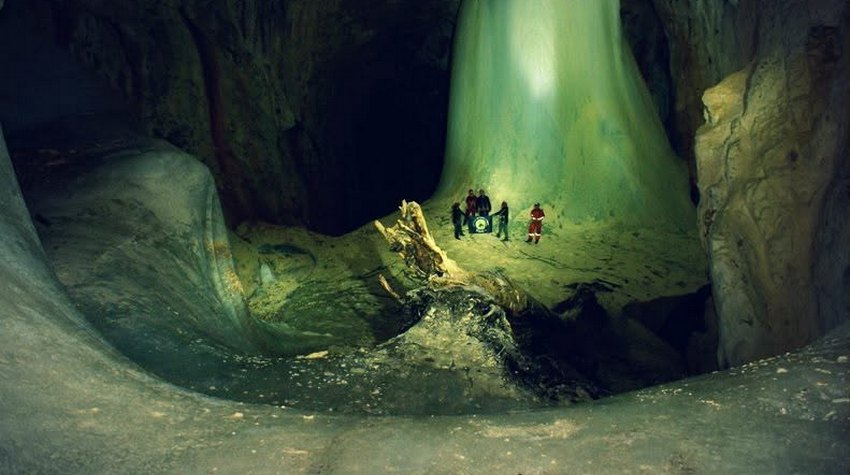
JAMA LEDANA: A FROZEN GEM OF REPUBLIKA SRPSKA

THIS IS WHAT THE NEW BANJALUKA AIRPORT WILL LOOK LIKE: CAPACITY OF 2.5 MILLION PASSENGERS

NATALIJA LIVED 25 YEARS WITH HER MOTHER’S KIDNEY – NOW HER TENANT WANTS TO GIVE HER A SECOND CHANCE

PERUĆICA NAMED EUROPE’S MOST SECLUDED “ENCHANTED” FOREST

BANJA LUKA AND JEZERO JOIN FORCES TO PROMOTE TOURISM
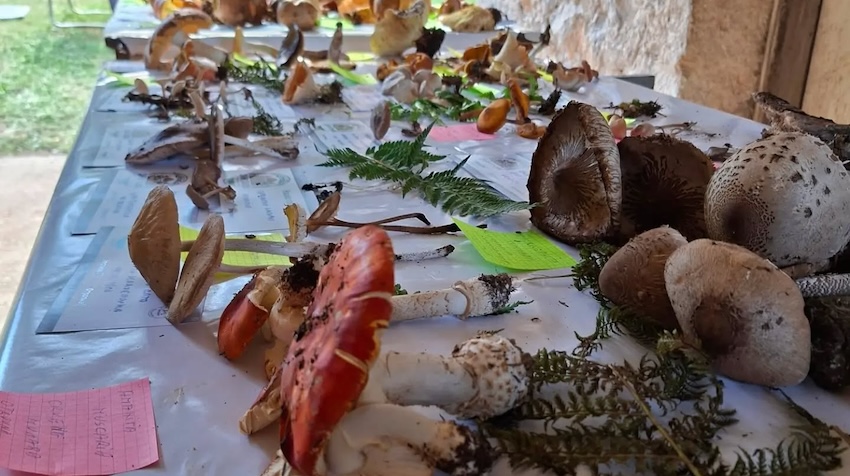
MUSHROOM DAYS OF BALKANA BRING TOGETHER HUNDREDS OF HIKERS AND NATURE LOVERS


 The situation at the border crossings