FROM HISTORIC PHOTOS TO BOOKS: “ISKON” LAUNCHES RESEARCH PROJECT ON THE TRADITION OF KOLEDAVCI
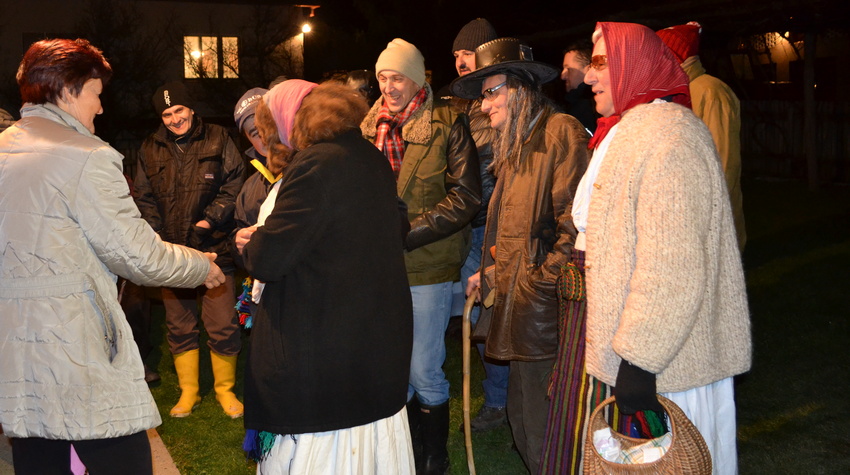
The Iskon Research Center from Banja Luka has launched an ambitious cultural heritage project titled “Research and Documentation of the Folk Tradition of Koledavci,” aiming to preserve, document, and promote one of the most distinctive traditional customs in this part of the Republic of Srpska, Bosnia and Herzegovina.
Running from December 20, 2025, to June 20,
2026, the project is co-financed by the Ministry of Civil Affairs of Bosnia and
Herzegovina through the public grant program supporting cultural projects
across the country for the 2024–2026 period.
The research focuses on the Koledavci
tradition, a centuries-old folk custom performed before the Materice holiday in
the municipalities of Derventa, Doboj, and Stanari. Through historical,
ethnological, and extensive field research, experts aim to uncover the origins,
development, symbolism, and regional variations of this unique cultural
practice.
As part of the project, researchers will
collect archival documents, historical photographs, and oral testimonies while
interviewing local residents and tradition bearers in several villages. The
initiative will also continue the photographic and video documentation of
Koledavci processions, traditional masks, ritual performances, and songs that
have been passed down through generations.
Part of the fieldwork has already been completed using the Iskon Research Center's own resources, providing a solid foundation for further research and analysis of the collected material.
The project's final outcome will include the
publication of a comprehensive book titled “Koledavci,” presenting the history,
symbolism, and unique characteristics of the tradition. In addition, a
documentary film featuring authentic footage and personal testimonies from
participants will preserve this valuable element of intangible cultural
heritage for future generations.
Upon completion, the publication will be
officially presented in Derventa, Doboj, and Stanari, while the research
findings will also be made available to the wider public.
According to the Iskon Research Center, the
project will play an important role in safeguarding the region's intangible
cultural heritage, strengthening the cultural identity of local communities,
and creating a permanent archive of valuable historical material. Beyond its
scientific importance, the initiative is also expected to enhan ce the tourism
promotion of this part of the Republic of Srpska by highlighting one of its
most authentic and lesser-known traditional customs.

Join our
Viber Community
THE PEOPLE PROTECTED THE SACRED ICON, BELIEVING IT WAS PROTECTING THEM: THE STORY OF THE ČAJNIČE KRASNICA

APPEAL FOR HELP: BLOOD DONORS URGENTLY NEEDED FOR NATAŠA ĆEJIĆ IN BANJA LUKA

NEW GENERATION OF STUDENT THEATRE MEMBERS TAKES THE STAGE

AUTUMN FRUITS AND HONEY FESTIVAL COMES TO BANJALUKA

DEJAN KOKANOVIĆ CONQUERS 336 KM THROUGH THE ITALIAN ALPS
DEJAN KOKANOVIĆ CONQUERS 336 KM THROUGH THE ITALIAN ALPS
APPEAL FOR HELP: BLOOD DONORS URGENTLY NEEDED FOR NATAŠA ĆEJIĆ IN BANJA LUKA

OKTOBERFEST KICKS OFF IN MUNICH, EXPECTING 6.5 MILLION VISITORS
AUTUMN FRUITS AND HONEY FESTIVAL COMES TO BANJALUKA

SPANISH TRAVEL WRITER DISCOVERS THE GREEN SIDE OF BANJA LUKA

 The situation at the border crossings