NATALIJA LIVED 25 YEARS WITH HER MOTHER’S KIDNEY – NOW HER TENANT WANTS TO GIVE HER A SECOND CHANCE
Life rarely gives us a second chance. Natalija Pralica from Kozarska Dubica received her first one in 1999, when her mother donated a kidney to her. Today, 27 years later, as she undergoes haemodialysis three times a week, another chance has appeared – thanks to a man who has witnessed her struggle for years.
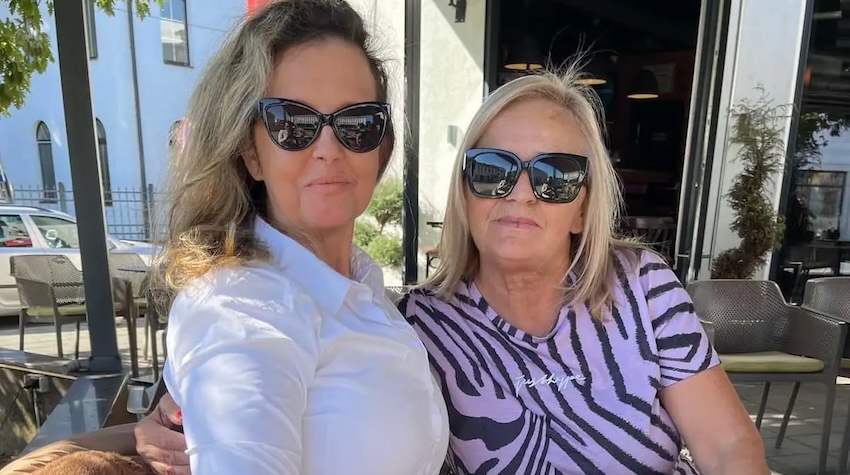
Her tenant, a 33-year-old man who wishes to remain anonymous, has decided that he wants to donate his kidney to her.
Natalija underwent her first transplant at the Military Medical Academy in Belgrade. The donated kidney functioned for 25 years, allowing her to live a normal and fulfilling life. She worked, travelled, even lived in the United States for a time, and fulfilled her greatest wish of becoming a mother by adopting a two-month-old baby from the Rada Vranješević Children’s Home.
Then complications began.
THREE TIMES A WEEK ON DIALYSIS
Natalija’s body began rejecting the transplanted organ and antibodies developed. Treatment could only postpone what eventually became inevitable – haemodialysis.
She now travels from Kozarska Dubica to Prijedor three times a week for treatment.
“I get up while it is still dark, at five in the morning. By half past six I am already connected to the machine, and I spend four hours there. Sometimes dialysis goes well, sometimes there are problems with the fistula. This has become my life while I wait for another chance,” Natalija told Provjereno.info.
Knowing that she needed another transplant, she began searching for a way to join a waiting list.
She contacted a clinic in Minsk but was rejected because, she says, the clinic performs only first transplants. Other possibilities offered little hope.
“In Padua, I cannot be placed on the waiting list because cooperation with their Transplant Centre has been discontinued. A transplant is possible in Türkiye, but only if I already have a donor. We do not have an agreement with Croatia either. I literally had no solution,” Natalija said.
“I CAN’T BE THE PARENT I USED TO BE”
The illness has taken much more than her health. Dialysis, exhaustion and the daily struggle have also taken away precious time she wants to spend with her son.
“My son sometimes says, ‘Mom, you’re always sitting, you’re always lying down.’ He comes home from school and I tell him, ‘I have to sleep now,’ when that is the time we should be spending together. The most important thing I could give my son is love, and I give him that,” she said.
Natalija says she has become increasingly weak. She struggles to help her son with schoolwork and sometimes cannot even attend parent-teacher meetings.
“I was completely devoted to my son when I was healthier and when that kidney was still functioning. If it were not for my mother, who helps me every day, my sister and the people around me, I don’t know how we would manage. I simply cannot be the parent I used to be,” she said.
THEN HER TENANT OFFERED HER HIS KIDNEY
Just as one possibility after another seemed to disappear, a potential solution came from someone Natalija never expected.
She has known her tenant for almost eight years. He also helped maintain her garden and, over the years, listened as she spoke about her illness, dialysis and the difficulties her family was facing.
One day, he told her he wanted to become her kidney donor.
“I was shocked. I immediately told him, ‘Absolutely not, you’re young.’ But he wouldn’t give up. Eventually, I told him that he should at least discuss it with his family,” Natalija recalled.
The young man does not want his name published or his decision portrayed as an act of heroism. He says he wants his story to show how organ donation can transform another person’s life.
“If I can help, I will help anyone. It doesn’t matter whether it is Natalija or somebody else, if a life can be saved. I will continue living normally, while helping someone else get a new life, to be born again. That is how I see it,” he said.
He believes organ donation is one of the highest forms of humanity and that people are often not sufficiently informed about what patients waiting for a transplant endure.
THEY WERE A MATCH, THEN CAME ANOTHER SETBACK
Finding a living donor opened the possibility of a transplant in Padua. Medical examinations began, and a crossmatch brought the news they had been hoping for – Natalija and her potential donor were compatible and shared the same blood type.
Then came another unexpected setback.
During examinations in Padua, the young man was diagnosed with tuberculosis, a condition he had not known he had. The transplant process had to be suspended while he began treatment.
But his decision to donate his kidney did not change.
“I have never given up, and I won’t. I will recover and then, if the doctors give me the green light, I will donate my kidney. I gave my word, and my word stands. I lost those closest to me, my mother and my brother, and now I want to give someone else life,” he said.
Once his treatment is completed and new medical examinations are carried out, the results will be sent to doctors in Padua, who will determine whether he can safely become a donor and whether the transplant process can continue.
“THIS WOULD BE A NEW LIFE FOR ME”
For Natalija, another transplant would mean much more than an end to dialysis. She already knows what life after a successful transplant can look like.
“After my first transplant, I was completely healthy and felt well. I lived life to the fullest. My tenant is currently my only bright hope for recovery, and that hope is what keeps me going and fighting,” Natalija said.
Their story does not yet have an ending. Her potential donor still has to complete his treatment, after which doctors will decide whether it is safe for him to donate his kidney.
But after years of dialysis, rejection and closed doors, Natalija once again has something she desperately needed – a real hope that she may be given another chance at life.
Behind every person waiting for a transplant is someone with a family, plans and a life they want to continue. Natalija’s story is also a reminder of the importance of accessible transplant medicine, clear information for potential donors and a healthcare system in which patients know where they can turn for another chance.

Join our
Viber Community
NATALIJA LIVED 25 YEARS WITH HER MOTHER’S KIDNEY – NOW HER TENANT WANTS TO GIVE HER A SECOND CHANCE

PERUĆICA NAMED EUROPE’S MOST SECLUDED “ENCHANTED” FOREST
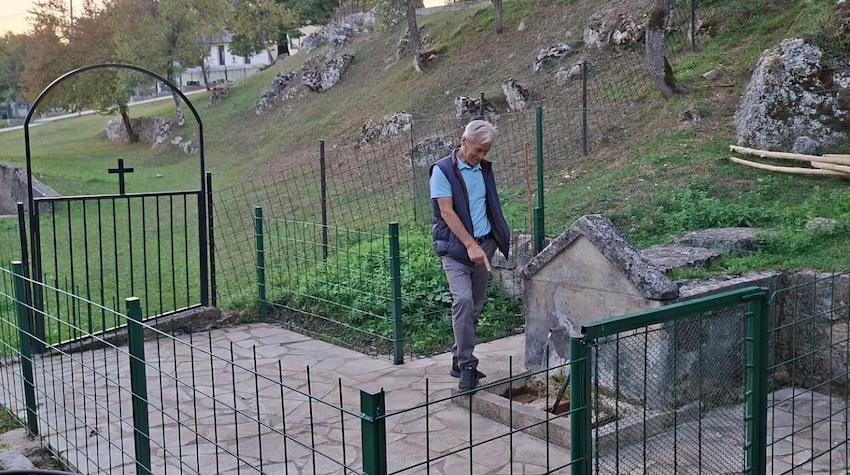
A 113-YEAR-OLD FOUNTAIN IN DONJA PECKA STILL FLOWS TODAY
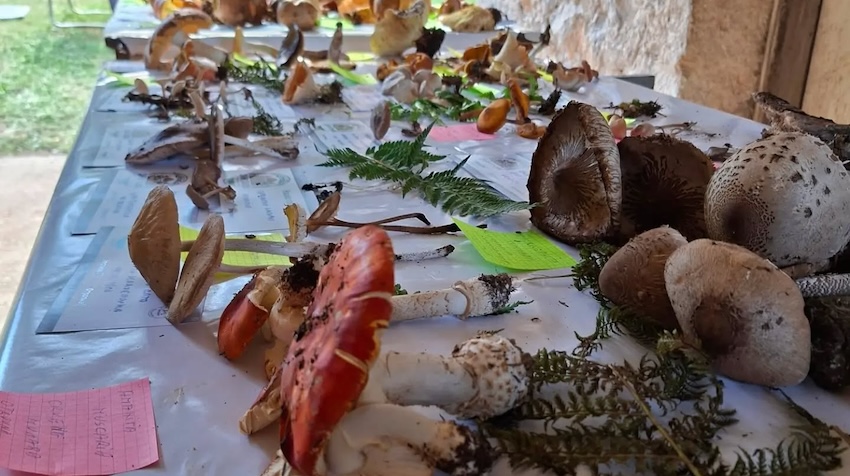
MUSHROOM DAYS OF BALKANA BRING TOGETHER HUNDREDS OF HIKERS AND NATURE LOVERS
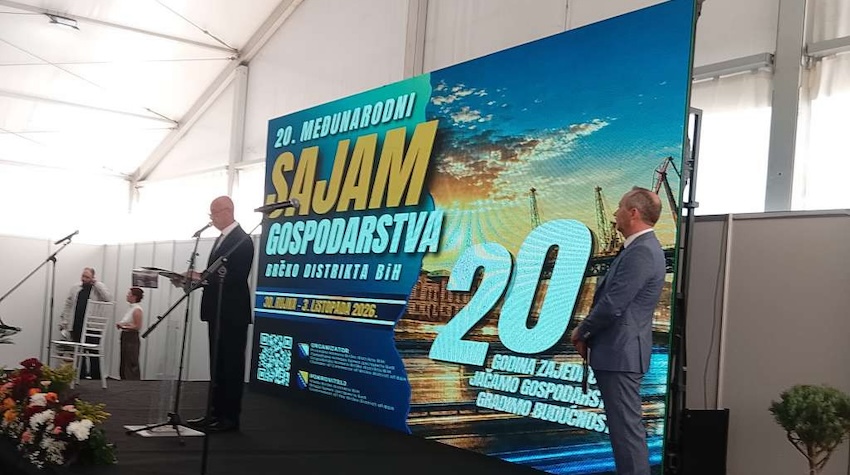
INTERNATIONAL ECONOMY FAIR IN BRČKO BRINGS TOGETHER MORE THAN 120 EXHIBITORS
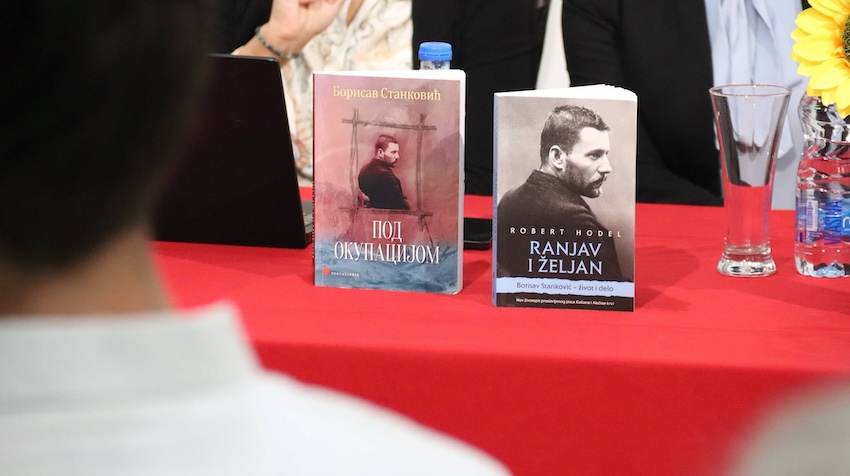
BORA STANKOVIĆ’S LITERARY LEGACY REMEMBERED IN DERVENTA

FROM MARTIN BROD TO DRENJIJADA: A PERFECT IDEA FOR AN AUTUMN DAY TRIP

BANJA LUKA GAINS MORE VISIBILITY IN SPANISH MEDIA
PERUĆICA NAMED EUROPE’S MOST SECLUDED “ENCHANTED” FOREST
NATALIJA LIVED 25 YEARS WITH HER MOTHER’S KIDNEY – NOW HER TENANT WANTS TO GIVE HER A SECOND CHANCE


 The situation at the border crossings