NATURAL STONE IN THE KITCHEN: IDEAS, TYPES AND PRACTICAL TIPS
The kitchen is one of the few spaces in a home where aesthetics must quickly pass a practical test. Surfaces that look flawless at first glance are exposed every day to water, steam, heat, cookware and all the traces of everyday life.
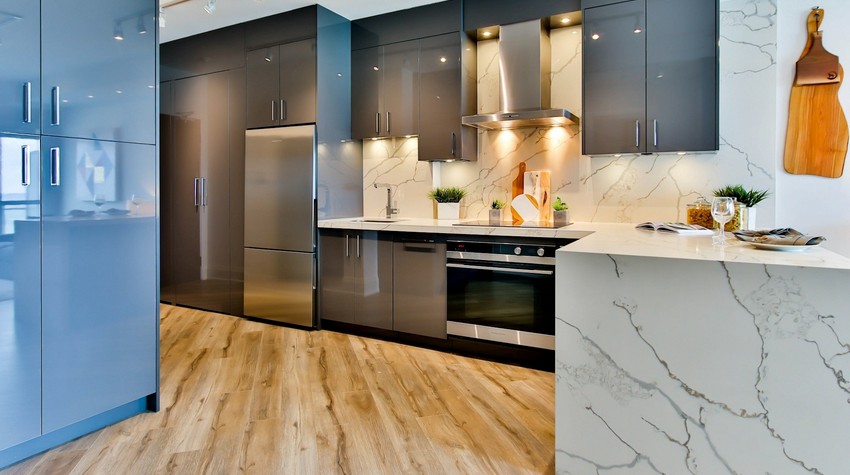
That is why good kitchen design begins with
materials capable of maintaining their beauty long after the room stops looking
like a catalogue photograph.
Natural materials have a particular advantage
here. Natural stone brings texture, depth and a sense of permanence, while offering
enough versatility to be used for countertops, walls, floors or carefully
selected decorative accents. Granite, travertine, marble and other types of
stone can suit both minimalist contemporary kitchens and warmer, more natural
interiors.
WHY DOES NATURAL STONE WORK SO WELL IN THE
KITCHEN?
Natural stone brings a quality to the kitchen
that is difficult to imitate. Its value lies not only in colour or pattern, but
also in the depth of the surface, subtle imperfections and natural variations
that make every slab unique.
In contemporary kitchens, especially those
with clean lines, simple cabinetry and carefully selected colours, stone can
become the main visual accent. A single well-positioned surface, such as a
kitchen island, countertop or backsplash, can give the interior considerably
more character and a sense of understated luxury.
However, natural decorative stone looks best
when it is given enough space to stand out. Using too much of it can make the
interior feel visually heavy.
In a well-designed kitchen, luxury is rarely
measured by the amount of material used, but by how intelligently it is
incorporated.
WHERE CAN NATURAL STONE BE USED IN THE
KITCHEN?
A stone countertop is the most common choice,
but natural stone can play a much more interesting role in the space.
It can be used to clad a kitchen island, the
wall between upper and lower cabinets, the floor or a single accent area
designed to attract attention without overwhelming the interior.
In smaller kitchens, the best results often
come from one dominant stone surface that defines the character of the room,
while the rest of the space remains calm and uncluttered. In larger interiors,
the same stone can visually connect the countertop and island, particularly
when combined with simple cabinetry and understated details.
A STONE COUNTERTOP SHOULD MATCH THE WAY THE
KITCHEN IS USED
When choosing a countertop, colour is
important, but it should not be the only or even the first criterion.
A kitchen where meals are prepared regularly and
the work surface is constantly in use requires a different material from a
space that is only occasionally used and functions more as an elegant extension
of the living area.
A good stone countertop should therefore suit the household's everyday habits just as much as the overall interior design.
When choosing natural stone, it is worth
considering its type, porosity, finish and maintenance requirements. These
details largely determine how practical the surface will be in everyday use and
how it will look after years of use.
Natural stone can be extremely durable when
properly maintained. In practice, this means using mild or pH-neutral cleaning
products, wiping up spills promptly and avoiding aggressive chemicals.
GRANITE: A CLASSIC CHOICE WITH A CONTEMPORARY
CHARACTER
Granite has long been one of the most
sought-after materials for kitchen countertops, and for good reason. Its
strength and resistance make it particularly suitable for a space exposed to
intensive everyday use.
As a silicate-based stone, granite is
generally more resistant to household acids than carbonate stones such as
marble and travertine. However, it is not completely impervious, so mild,
neutral cleaning products remain the safest choice for regular maintenance.
Another advantage is its remarkable design
versatility. Granite is not limited to the dark, heavily speckled surfaces
associated with older kitchen styles. Depending on the variety and finish, it
can appear almost monochromatic and understated or become a striking design
feature with distinctive veining and visual depth.
In a contemporary kitchen, granite can
therefore play two very different roles: a subtle, sophisticated background for
the rest of the interior or a luxurious focal point that immediately attracts
attention.
TRAVERTINE: WARMTH AND NATURAL CHARACTER
If granite feels strong and precise,
travertine introduces a softer and more organic rhythm.
Its characteristic porous structure, subtle
irregularities and calm palette create a warm atmosphere that works
particularly well with natural materials. Shades of sand, beige, cream and
earthy tones combine easily with wood, matte cabinetry, textured surfaces and
discreet lighting.
For that reason, travertine can look highly
sophisticated when used on a carefully selected surface, adding depth and
tactile quality to the kitchen.
Its beauty, however, requires a more
considered approach. Travertine is a form of limestone and is more porous and
sensitive to acids than granite. This makes the choice of finish, protective
treatment and location particularly important.
In areas frequently exposed to water, food and
intensive preparation, it is advisable to consult a stone professional and
select a solution appropriate for the way the kitchen is actually used.
MARBLE: ELEGANCE THAT REQUIRES MORE ATTENTION
Marble is one of the most visually distinctive
natural materials available for a kitchen, particularly because of its
characteristic veining and the way its surface interacts with light.
Its luxury comes from a pattern that cannot be
perfectly replicated and from the fact that the material can develop its own
character over time.
Marble works exceptionally well in elegant
contemporary interiors, particularly when combined with wood, brass, dark
cabinetry or simple neutral colours.
However, marble is more sensitive than
granite. Acids such as lemon juice and vinegar can etch the surface, while some
varieties also require regular sealing and maintenance.
For this reason, marble can be an excellent
choice for a kitchen island, backsplash or countertop in a home where the
owners are comfortable with the idea that a natural material may gradually
develop a distinctive patina.
NATURAL STONE IN THE KITCHEN: A CHOICE
DESIGNED TO LAST
Natural stone works best in a kitchen when it
is chosen not only with the eyes, but also according to the way the space
functions every day.
Colour and pattern matter, but so do the
finish, maintenance requirements, exposure to water and food, the amount of
natural light and the materials surrounding the stone.
A good stone countertop should remain
attractive even when the kitchen is no longer perfectly styled. Once there is a
cup of coffee, hot cookware and all the inevitable signs of everyday life on
the surface, the quality and suitability of the material become far more important
than the first impression.
That is where natural stone reveals its
particular character. Its shades, veins, pores and subtle imperfections are not
necessarily flaws that need to be hidden. They are part of the material's
identity and are precisely what make every surface different.
Instead of providing a short-lived decorative
effect, natural stone can become a material that matures alongside the interior
and remains convincing even when wall colours, lighting or design trends
change.
It is a form of elegance that does not depend
on perfect uniformity — but on authenticity, durability and character.

Join our
Viber Community
PHOTO: A WALK ALONG BANJA LUKA'S NEW RIVERSIDE PROMENADE

SEMBERIJA HOUSE TO OPEN IN THE HEART OF BIJELJINA

INDIAN SUMMER IS COMING: SUNNY DAYS AND WARMER TEMPERATURES EXPECTED
A SMALL ESCAPE INTO THE GREEN HEART OF ZELENGORA

CALL FOR EVERYONE: HELP ENRICH THE SCHOOL LIBRARY IN TRNOPOLJE
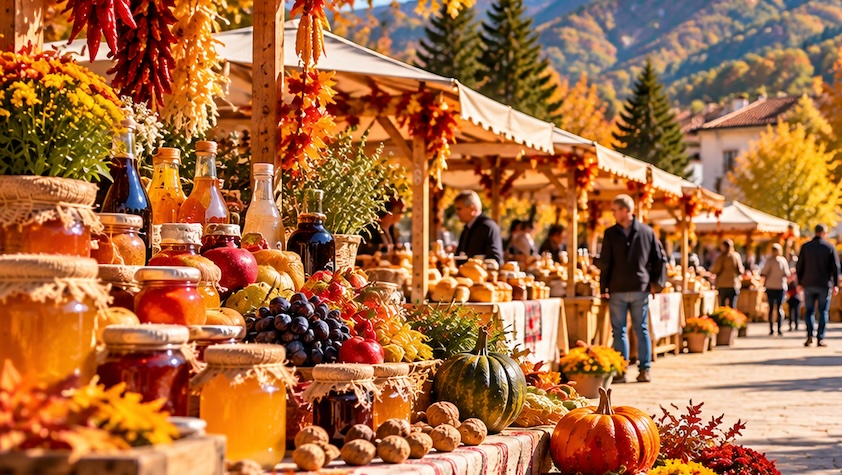
OCTOBER BAZAAR IN FOČA: LOCAL FOOD TASTING WITH SPECIAL GUEST LEONTINA VUKOMANOVIĆ
A SMALL ESCAPE INTO THE GREEN HEART OF ZELENGORA
PHOTO: A WALK ALONG BANJA LUKA'S NEW RIVERSIDE PROMENADE
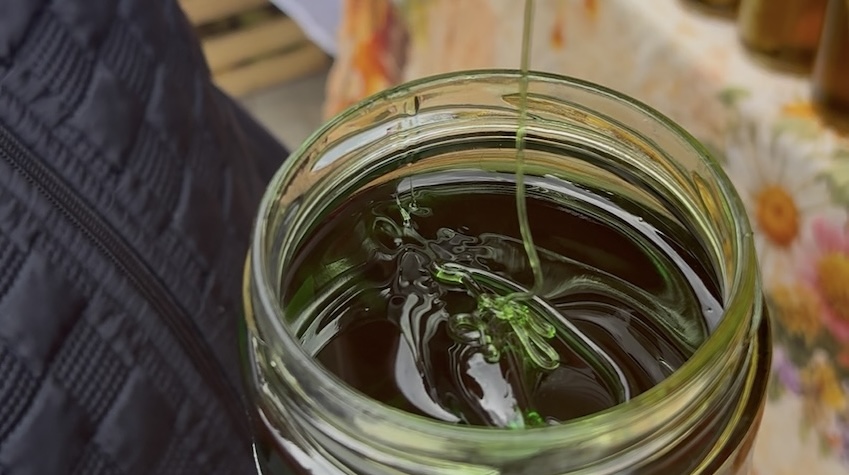
GREEN HONEY FROM DRVAR CATCHES THE EYE AT AUTUMN FESTIVAL

CALL 17191 TO DONATE 2 KM FOR A SPECIALIZED VEHICLE FOR SERGEJ STUPAR


 The situation at the border crossings