HOW TO MAKE TRADITIONAL HOMEMADE SOAP
Long before modern household products filled store shelves, our grandmothers made their own soap at home, following recipes passed down through generations. The soap was traditionally poured into moulds and used for a variety of household purposes, especially washing and boiling laundry.
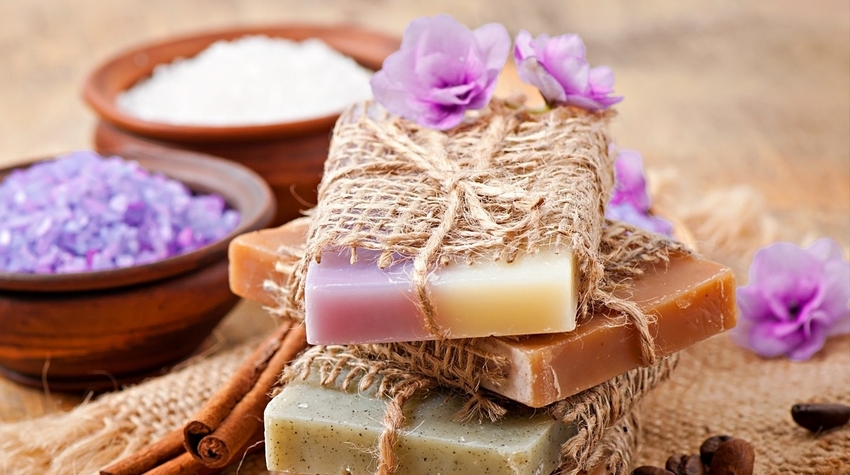
The
traditional recipe is still preserved and used in many households today,
particularly in rural areas. Those who continue to make it say that no
industrial product can quite replace the traditional homemade version.
Homemade
soap is made from just two main components – fat and a base – which react to
form soap.
WHAT YOU NEED
For
this traditional recipe, you will need:
50
millilitres of water
100
grams of pork lard
1
tablespoon of caustic soda (sodium hydroxide crystals)
HOW TO MAKE IT
Place
the pork lard in a large pot and allow it to melt.
In a
separate smaller container, carefully dissolve the sodium hydroxide in 50
millilitres of water. Once dissolved, slowly add the solution to the melted
lard.
Extreme
caution is required when handling sodium hydroxide. It is a highly corrosive
substance that can cause serious burns. Keep children away from the preparation
area, wear suitable protective gloves and eye protection, and work in a
well-ventilated space. Never add water to solid sodium hydroxide; add the
sodium hydroxide to the water carefully.
The
mixture should then be stirred continuously for approximately 30 minutes, until
it becomes thick and uniform.
A
traditional way of checking whether the soap is ready is to dip a knife into
the mixture. If the soap immediately begins to harden around the knife, the
mixture is considered ready.
A TOUCH OF FRAGRANCE
For a
more pleasant scent, a few drops of essential oil can be added to the mixture
while it is being prepared.
Once
finished, the soap can be poured into suitable moulds and left to harden.
This
simple traditional recipe is part of the household heritage preserved in many
rural communities, where making soap was once a regular part of preparing
supplies for the year ahead.

Join our
Viber Community
WHAT MAKES THE PERFECT STEAK?
HOW TO MAKE TRADITIONAL HOMEMADE SOAP
SRPSKA AND SERBIA TO CONNECT PROTECTED AREAS
COULD THE TOLISA RIVER RETURN TO ITS FORMER COURSE?
JAMA LEDANA: A FROZEN GEM OF REPUBLIKA SRPSKA

THIS IS WHAT THE NEW BANJALUKA AIRPORT WILL LOOK LIKE: CAPACITY OF 2.5 MILLION PASSENGERS

NATALIJA LIVED 25 YEARS WITH HER MOTHER’S KIDNEY – NOW HER TENANT WANTS TO GIVE HER A SECOND CHANCE
BORA STANKOVIĆ’S LITERARY LEGACY REMEMBERED IN DERVENTA

PERUĆICA NAMED EUROPE’S MOST SECLUDED “ENCHANTED” FOREST

BANJA LUKA AND JEZERO JOIN FORCES TO PROMOTE TOURISM


 The situation at the border crossings