COULD THE TOLISA RIVER RETURN TO ITS FORMER COURSE?
After more than half a century since it was drained, the old course of the Tolisa River could once again carry water, bringing back ponds, oxbows and wetland habitats that were once an integral part of the Posavina landscape.
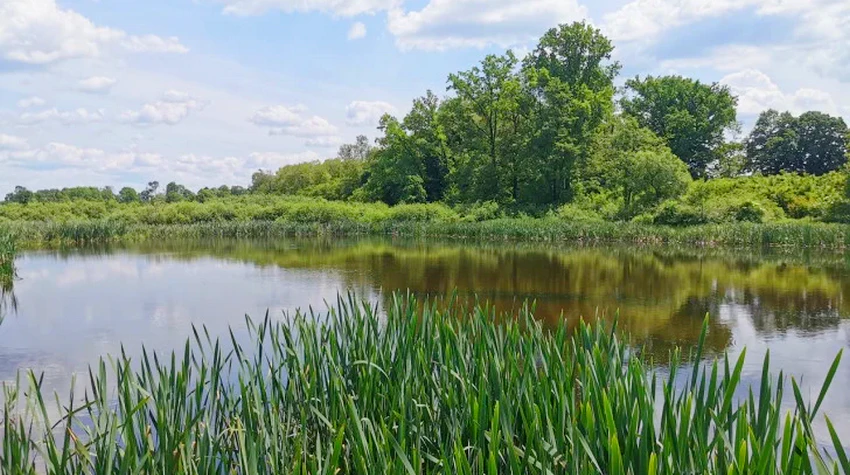
The restoration could benefit not only the natural ecosystem
but also local farmers, who have increasingly struggled with a lack of water
for irrigation in recent years.
The restoration of this former river system is being planned
by the Society for Biodiversity Research and Protection from Banja Luka and the
Municipality of Modriča, as part of the European “DaWetRest” project, funded
through the Horizon programme. The project is worth €75,000 for this associated
region.
THE FIRST STEPS TOWARDS RESTORATION HAVE ALREADY BEEN TAKEN
Although the restoration is a long-term undertaking, the
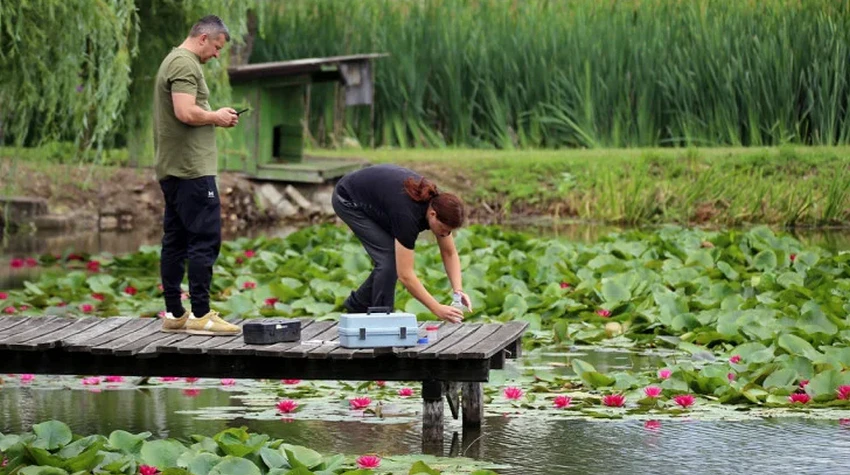
first steps have already been made. Field research has been carried out, data
collected, and discussions held with institutions and residents living along
the former river course.
The Tolisa once meandered for more than 70 kilometres
through Posavina, between Brčko, Šamac, Modriča and Orašje. In 1974, during a
period of major agricultural development projects, the river was cut off and
drained
Its water was redirected into a network of canals, while
parts of the former riverbed were converted into agricultural land.
Today, the situation is different. Some areas once used for
agriculture have been abandoned, water resources are becoming increasingly
scarce, and climate change is further intensifying drought.
The dry and poorly maintained land in these areas is also
increasingly vulnerable to fires, with hundreds of fires breaking out every
year and their number continuing to rise.
For this reason, the idea of returning water to the former
river course emerged from the Posavina villages themselves, explains Jovica
Sjeničić of the Society for Biodiversity Research and Protection.
“People from these villages told us that when the Tolisa was
flowing, there was more life and more opportunities for agriculture. There were
ponds, people could fish, and there was much more wildlife. Today, on the other
hand, the lack of water is becoming increasingly noticeable,” Sjeničić said.
WATER WOULD BE RETURNED TO THE OLD COURSE IN A CONTROLLED WAY
Restoring water to the former riverbed does not mean simply
releasing water back into the Tolisa.
The idea is to manage the entire system in a controlled
manner, providing water during dry periods while also reducing the risk of
flooding.
“We propose building a sluice on the canal that drained the
Tolisa, allowing water to be gradually and controllably directed into the
former river course and used to refill ponds and oxbows,” Sjeničić explained.
“In some areas, cleaning, deepening and sediment removal
will also be necessary. We are also considering the possibility of replenishing
the system with groundwater and through pumping,” he added.
Field research should determine where such measures would
have the greatest impact.
The collected data have now been incorporated into a large
GIS database containing information on the former river course, canals, ponds
and oxbows, as well as the condition of natural habitats and water resources
and other information important for restoration.
“We are now preparing a restoration measures plan and trying
to determine priorities. We have spoken with representatives of the Ministry of
Agriculture, Forestry and Water Management, ‘Vode Srpske’, local authorities
and local communities, because this is a task that requires cooperation between
several sectors,” Sjeničić said.
PREVIOUS RESEARCH SHOWED THAT WATER CAN BE RETAINED
Earlier research has also shown that water can be retained
in certain parts of the former river course.
One of the project collaborators, biologist Ana Ćurić,
worked on a pilot project aimed at restoring several ponds along the old Tolisa
course, where the possibility of retaining water in the riverbed was examined.
The experience gained through that project is now one of the
foundations for the wider restoration plan.
However, the challenge is not only the quantity of water but
also its quality.
“In some places where there is no population, the water is
of good quality. However, tributaries flowing through villages and agricultural
and industrial areas are affected by organic matter, sewage, heavy metals and
pollutants from agriculture. That is why we also have to address the issue of
water treatment,” Sjeničić said.
FARMERS HAVE BEEN FACING WATER SHORTAGES FOR YEARS
The restoration could bring tangible benefits to local
communities, in addition to protecting wetlands and restoring habitats for
wildlife.
Farmers have been dealing with water shortages for years,
and a restored water system could create new opportunities for irrigation,
while controlled water retention could also help during periods of heavy
rainfall.
“Groundwater levels have fallen, there is very little
surface water, and farmers have been struggling with shortages for at least 15
years. If we secure a reliable water supply, we will have opportunities for
irrigation as well as better flood control,” Sjeničić stressed.
PONDS, FISH AND BIRDS COULD RETURN TO POSAVINA
More water would also create better conditions for fishing
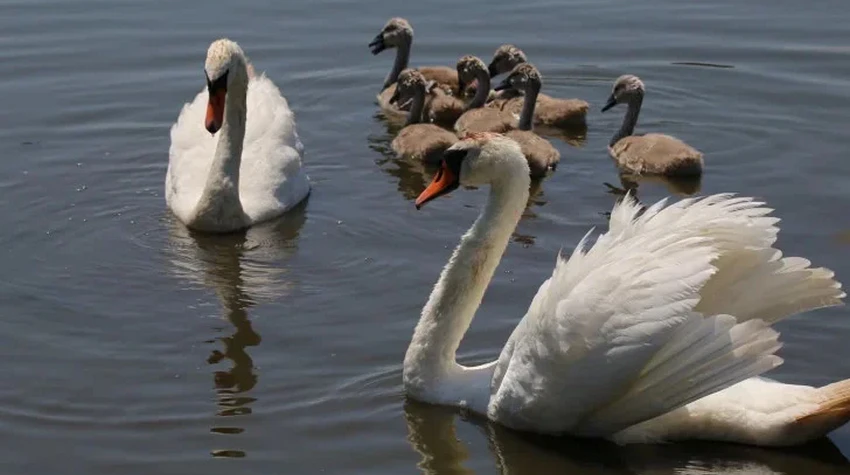
and hunting, while providing habitats for birds, fish and other species.
The goal is for the former river course to once again become
a connected system of ponds, oxbows and water bodies, rather than a series of
isolated canals and dried-out riverbeds.
However, concrete restoration works are still some time
away.
The restoration plan is currently being completed and is
expected to be adopted by the end of the year. After that, funding for
implementation would be sought through new project calls.
“This is being done in phases and as a long-term process. We
are now laying the foundations for the next project, which would involve
concrete restoration works. Over the next few years, we expect that more
substantial work could begin in the field,” Sjeničić said

Join our
Viber Community
COULD THE TOLISA RIVER RETURN TO ITS FORMER COURSE?
JAMA LEDANA: A FROZEN GEM OF REPUBLIKA SRPSKA

BANJA LUKA AND JEZERO JOIN FORCES TO PROMOTE TOURISM

THIS IS WHAT THE NEW BANJALUKA AIRPORT WILL LOOK LIKE: CAPACITY OF 2.5 MILLION PASSENGERS

NATALIJA LIVED 25 YEARS WITH HER MOTHER’S KIDNEY – NOW HER TENANT WANTS TO GIVE HER A SECOND CHANCE
NATALIJA LIVED 25 YEARS WITH HER MOTHER’S KIDNEY – NOW HER TENANT WANTS TO GIVE HER A SECOND CHANCE
THIS IS WHAT THE NEW BANJALUKA AIRPORT WILL LOOK LIKE: CAPACITY OF 2.5 MILLION PASSENGERS

BORA STANKOVIĆ’S LITERARY LEGACY REMEMBERED IN DERVENTA

PERUĆICA NAMED EUROPE’S MOST SECLUDED “ENCHANTED” FOREST
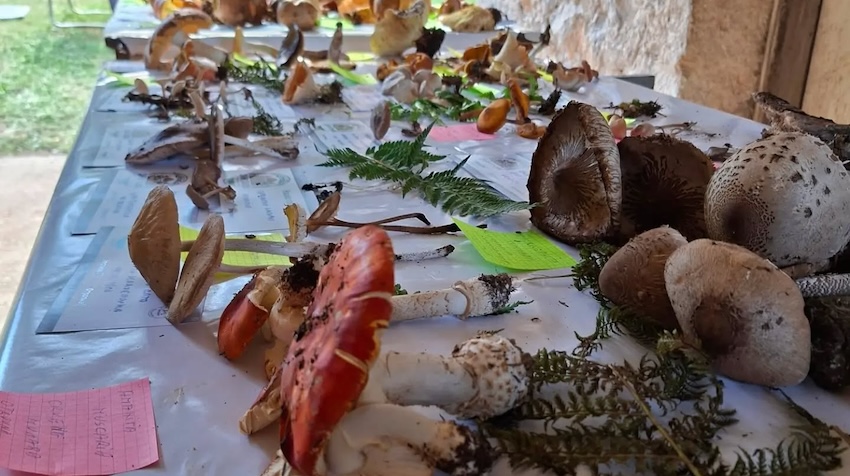
MUSHROOM DAYS OF BALKANA BRING TOGETHER HUNDREDS OF HIKERS AND NATURE LOVERS


 The situation at the border crossings